

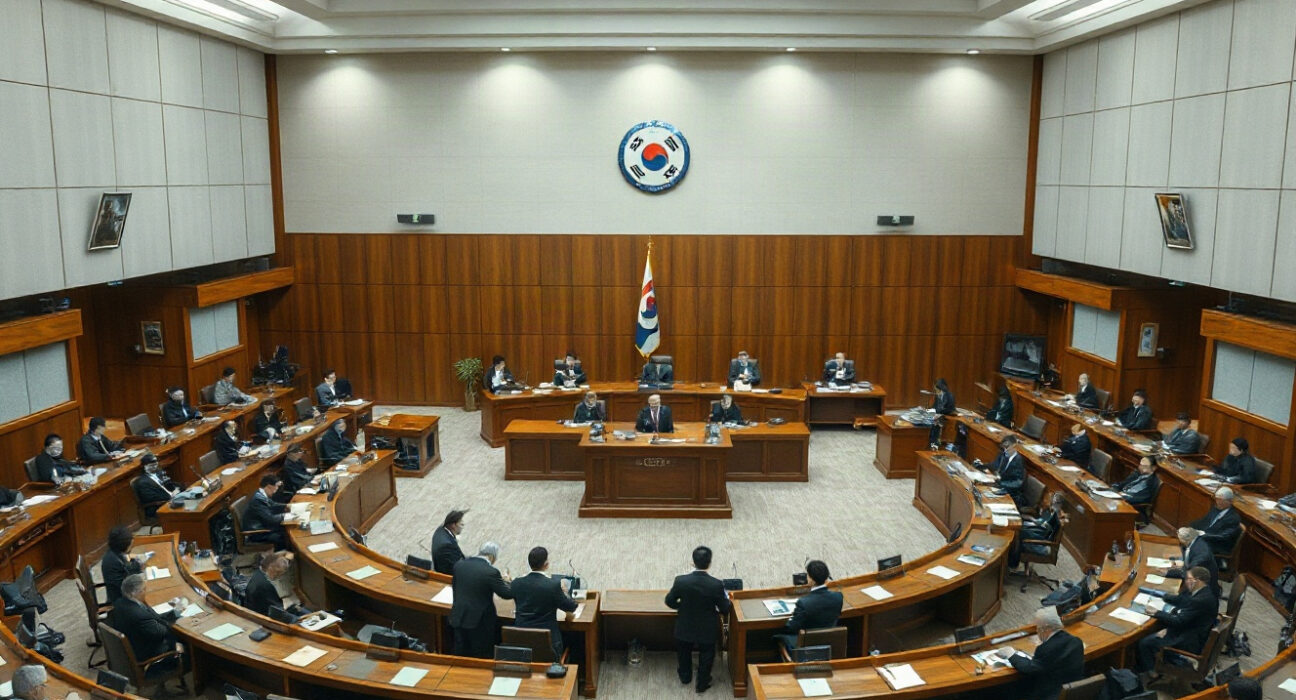
South Korea’s National Assembly is set to deliberate a bill that would require financial influencers, often called “finfluencers,” to publicly disclose their virtual asset holdings. The proposed amendment to the Virtual Asset User Protection Act, introduced by Democratic Party lawmaker Kim Seung-won, has been placed on the agenda for the National Policy Committee’s full meeting scheduled for Aug. 26 at 1:00 a.m. UTC, according to a report from Digital Asset.
What the Bill Proposes
The amendment aims to address potential conflicts of interest among influencers who promote or discuss cryptocurrencies on social media and other platforms. If passed, these individuals would be required to declare their digital asset positions, enabling followers and investors to assess whether recommendations are influenced by personal holdings.
This move comes amid growing global scrutiny of influencer marketing in the crypto space, where undisclosed holdings can mislead retail investors. South Korea has been particularly proactive in regulating virtual assets, having implemented the Virtual Asset User Protection Act in 2023 to safeguard users and enhance market transparency.
Additional Measures on the Agenda
The committee will also review a revision to the Act on Reporting and Using Specified Financial Transaction Information. This revision is intended to prevent incidents like the recent Bithumb error, where the exchange mistakenly credited users with Bitcoin, leading to temporary market confusion and highlighting the need for stricter operational safeguards.
Another proposed amendment seeks to abolish the “one-exchange, one-bank” rule, which currently requires each cryptocurrency exchange to partner with a single bank for real-name account verification. Eliminating this rule could encourage more banks to provide services to multiple exchanges, potentially increasing competition and improving access for smaller platforms.
Why This Matters
The bill reflects a broader regulatory trend aimed at increasing transparency and protecting investors in the digital asset market. For influencers, compliance would mean disclosing holdings that could be perceived as creating a conflict of interest when they discuss specific tokens or projects. For investors, it offers a clearer picture of the motivations behind public endorsements.
The outcome of the committee meeting will be closely watched by market participants, as similar regulations in other jurisdictions have had mixed effects on influencer activity and market dynamics. If passed, South Korea would join a small but growing list of countries implementing such disclosure requirements.
Conclusion
The National Assembly’s review of this bill signals continued regulatory evolution in South Korea’s crypto market. While the full impact remains to be seen, the move underscores the importance of transparency in an industry where trust is paramount. The committee’s decision will likely shape how influencers operate and how investors engage with digital asset content in the country.
FAQs
Q1: Who is considered a “finfluencer” under this bill?
The bill does not provide a specific definition, but it generally targets individuals who provide financial advice or promote virtual assets to the public through media platforms, including social media, blogs, and video channels.
Q2: How would the disclosure requirement work in practice?
Influencers would need to declare their virtual asset holdings, likely through a public registry or within their content, to ensure that followers are aware of any potential conflicts of interest. The exact mechanism would be outlined in the bill’s implementing regulations.
Q3: What happens if an influencer fails to disclose?
Penalties have not been specified in the current proposal, but similar laws typically impose fines or other sanctions for non-compliance. The final details would be determined during the legislative process.
Disclaimer: The information provided is not trading advice, Bitcoinworld.co.in holds no liability for any investments made based on the information provided on this page. We strongly recommend independent research and/or consultation with a qualified professional before making any investment decisions.
