

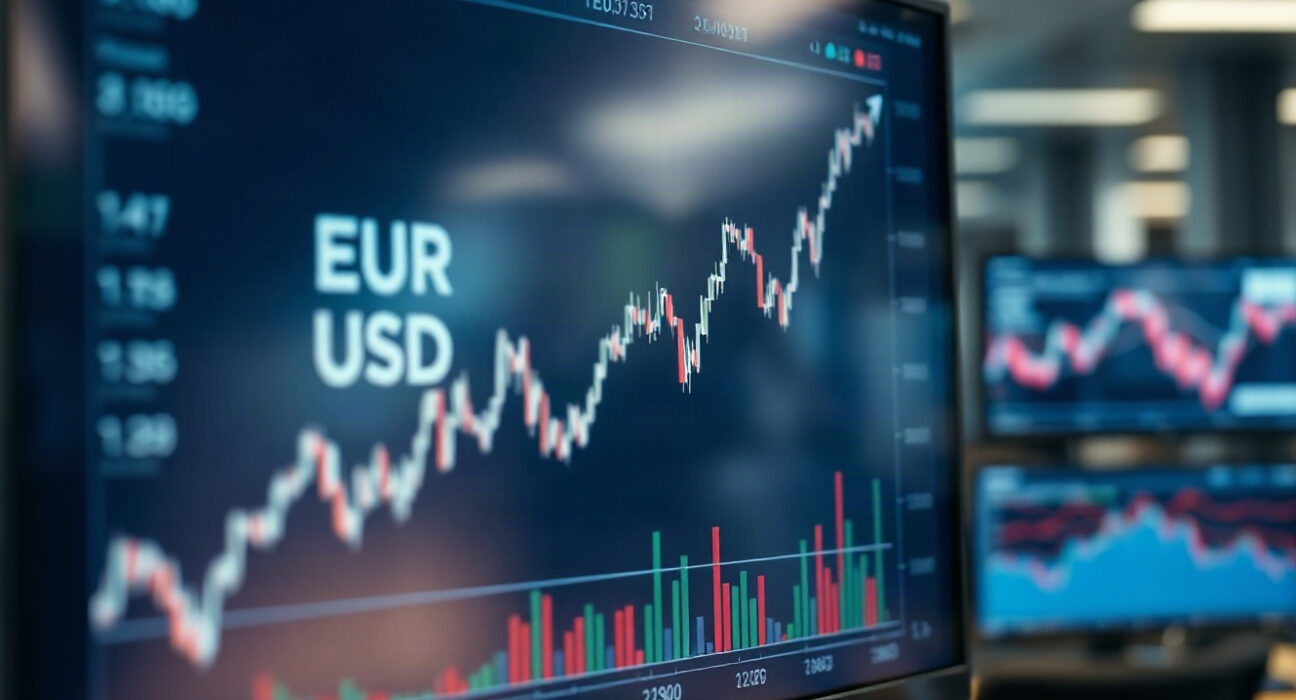
The euro strengthened against the US dollar in recent trading, with analysts at Brown Brothers Harriman (BBH) attributing the recovery to supportive economic data releases. This movement marks a notable shift in the currency pair’s trajectory, reflecting changing market sentiment and macroeconomic fundamentals.
What the Data Shows
Recent economic indicators from the Eurozone have provided a tailwind for the single currency. While specific figures were not detailed in the initial report, BBH’s commentary suggests that data points such as inflation, manufacturing output, or employment numbers have been more robust than expected, prompting investors to reassess the euro’s value against the dollar.
The US dollar, on the other hand, has faced pressure from a mix of domestic economic signals and market expectations regarding Federal Reserve policy. As of this week, the dollar index has shown volatility, with traders weighing the likelihood of future rate cuts or hikes.
Implications for Currency Markets
For forex traders and investors, the euro’s recovery could signal a period of sustained strength if the data continues to support the European Central Bank’s policy stance. However, analysts caution that the currency market remains sensitive to geopolitical events and central bank communications.
BBH’s analysis adds to a growing consensus that the euro may be undervalued relative to economic fundamentals, but the pair’s direction will depend on upcoming data releases and policy signals from both the ECB and the Fed.
Why This Matters
Currency movements directly impact international trade, corporate earnings, and investment portfolios. A stronger euro makes European exports more expensive but reduces import costs, while for US investors holding euro-denominated assets, the exchange rate affects returns. Understanding these dynamics helps businesses and individuals make informed decisions in a globalized economy.
Conclusion
The euro’s recovery against the US dollar, supported by economic data, reflects a complex interplay of regional and global factors. While BBH’s perspective provides a snapshot of current market sentiment, ongoing data releases and policy decisions will determine whether this trend persists. Traders and analysts will be watching closely for further confirmation.
FAQs
Q1: What is the euro-dollar exchange rate?
The exchange rate fluctuates constantly; as of the latest data, the euro has strengthened against the dollar, but exact figures vary by moment. Check a live forex platform for the current rate.
Q2: Why does economic data affect currency values?
Economic data such as GDP, inflation, and employment influence central bank policy decisions, which in turn affect interest rates and currency demand. Stronger data often leads to a stronger currency.
Q3: How can I trade EUR/USD?
You can trade EUR/USD through a forex broker, using platforms that offer currency pairs. It’s important to understand the risks and use proper risk management strategies.
Disclaimer: The information provided is not trading advice, Bitcoinworld.co.in holds no liability for any investments made based on the information provided on this page. We strongly recommend independent research and/or consultation with a qualified professional before making any investment decisions.
