

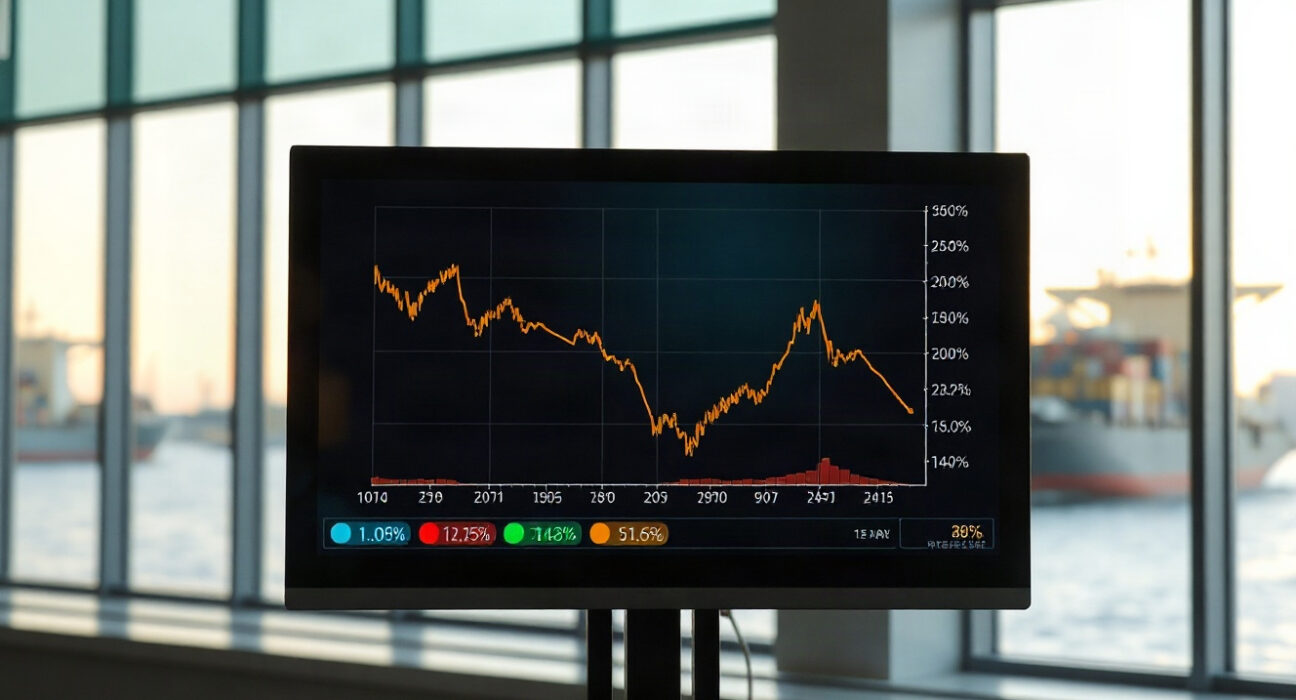
US Treasury yields fell on [date], as progress toward resolving shipping disruptions in the Strait of Hormuz eased investor concerns about inflation and global supply chains.
Market Moves: Yields Retreat on Geopolitical Détente
The benchmark 10-year Treasury yield declined by [X] basis points to [Y]%, while the 2-year yield also moved lower, reflecting reduced demand for safe-haven assets and a shift in inflation expectations. The move came after reports indicated that negotiations to restore safe passage for commercial vessels through the strategic waterway had made headway, reducing the risk of prolonged energy supply disruptions.
Investors had been pricing in higher inflation risks due to potential oil supply bottlenecks in the region, which accounts for about one-fifth of global petroleum consumption. The easing of those tensions prompted a reassessment of the inflation outlook, leading to a rally in bond prices and a corresponding drop in yields.
Why Hormuz Matters for Inflation and Bonds
The Strait of Hormuz is a critical chokepoint for global oil shipments, and any disruption there can have immediate ripple effects on energy prices and inflation expectations. When shipping through the strait is threatened, oil prices typically spike, raising costs for businesses and consumers, and prompting central banks to consider tighter monetary policy.
The recent progress suggests that the risk of a full-blown supply crisis has diminished, at least for now. As a result, traders have scaled back bets on aggressive rate hikes, which supports bond prices and pushes yields lower. This dynamic illustrates how geopolitical events can directly influence financial markets and the broader economic outlook.
Impact on Borrowing Costs and Economic Growth
Lower Treasury yields translate into cheaper borrowing costs for consumers and businesses, potentially supporting economic activity. Mortgage rates, auto loans, and corporate debt are all influenced by movements in the Treasury market. A sustained decline in yields could provide a modest tailwind for interest-sensitive sectors like housing and manufacturing.
However, analysts caution that the situation remains fluid. If the Hormuz negotiations falter or new disruptions emerge, yields could quickly reverse course. Investors should closely monitor geopolitical developments and their potential impact on energy prices and inflation data in the coming weeks.
Conclusion
The fall in US Treasury yields reflects a market relieved by progress in the Strait of Hormuz, easing immediate inflation fears. While the move provides some economic breathing room, the underlying risks remain. Investors will continue to weigh geopolitical signals against economic data to gauge the future path of yields and inflation.
FAQs
Q1: What is the Strait of Hormuz and why does it matter?
The Strait of Hormuz is a narrow waterway between the Persian Gulf and the Gulf of Oman, through which about 20% of global oil passes. Disruptions there can spike oil prices and inflation.
Q2: How do Treasury yields affect everyday consumers?
Treasury yields influence borrowing costs across the economy, including mortgage rates, auto loans, and credit card rates. Lower yields generally mean cheaper borrowing, while higher yields increase costs.
Q3: What could cause yields to rise again?
Yields could rise if inflation expectations increase due to renewed supply disruptions, stronger-than-expected economic data, or a shift in Federal Reserve policy toward tighter monetary conditions.
Disclaimer: The information provided is not trading advice, Bitcoinworld.co.in holds no liability for any investments made based on the information provided on this page. We strongly recommend independent research and/or consultation with a qualified professional before making any investment decisions.
