

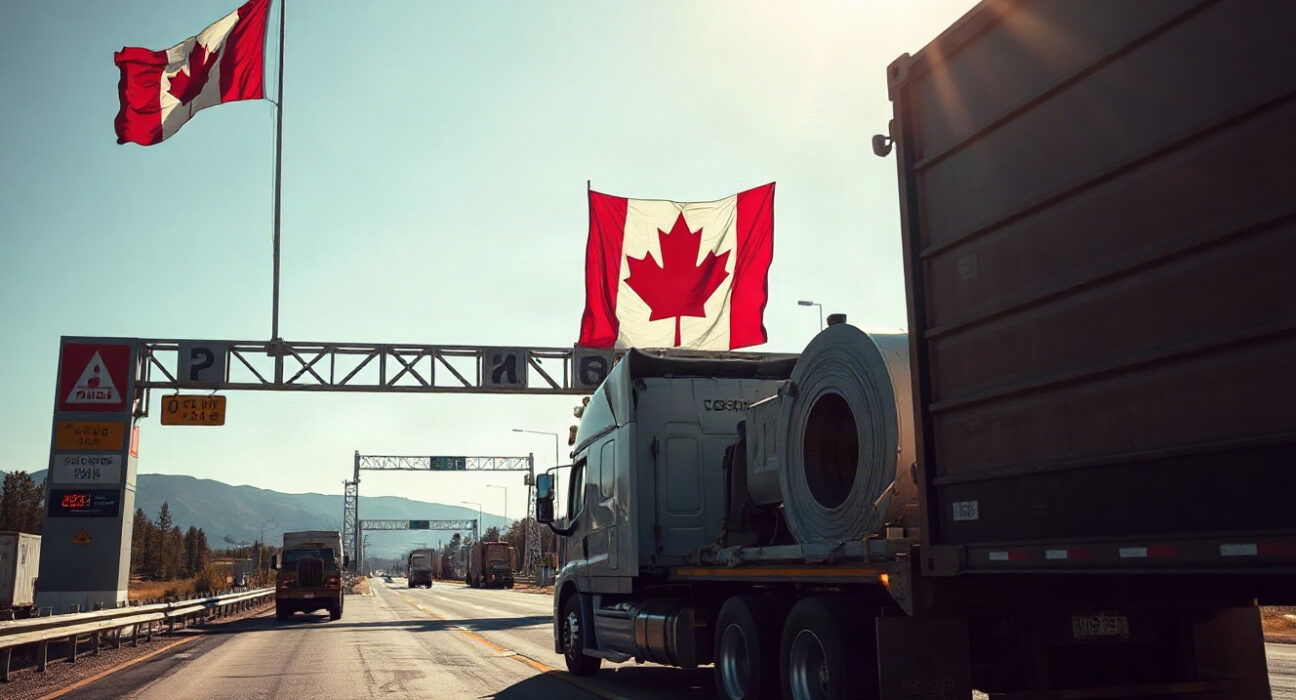
Canada announced ‘dollar-for-dollar’ retaliatory tariffs of up to 50% on a wide range of US goods, responding directly to the Trump administration’s recent tariffs on Canadian steel and aluminum. The measure, effective immediately, targets over $20 billion in US imports annually, including steel, aluminum, computers, and consumer goods.
Background: Escalating Trade Tensions
The move comes after the US imposed a 25% tariff on steel and a 10% tariff on aluminum imports from Canada, citing national security concerns under Section 232. Canada, a key ally and the largest export market for many US states, had previously been exempt from such tariffs during the 2018 trade war but lost that exemption in 2025. The Canadian government, led by Prime Minister Justin Trudeau, has called the US tariffs ‘unjustified’ and ‘illegal’ under international trade rules.
The retaliatory list includes products from politically sensitive US states, such as orange juice from Florida, bourbon from Kentucky, and motorcycles from Pennsylvania, mirroring tactics used in previous trade disputes. The tariffs range from 10% to 50%, with the highest rates on goods that directly compete with Canadian industries.
Impact on Consumers and Businesses
For US consumers, the tariffs are expected to raise prices on a variety of goods, including appliances, construction materials, and packaged foods. Canadian importers will bear the initial cost, but these are typically passed on to end consumers. Meanwhile, Canadian industries, particularly steel and aluminum producers, are bracing for reduced access to the US market, which could lead to job losses and production cuts.
The move has also drawn criticism from some Canadian business groups, who fear a prolonged trade war could harm both economies. The US Chamber of Commerce has urged both governments to return to negotiations, warning that the tariffs could disrupt supply chains and increase costs for manufacturers on both sides of the border.
Why This Matters
This escalation marks a significant deterioration in US-Canada trade relations, which had been relatively stable under the USMCA agreement. The tariffs could affect billions of dollars in trade and may lead to legal challenges at the World Trade Organization. For Canadians, the tariffs are a direct response to what they see as an attack on their economy, and the government has signaled it will not back down until the US tariffs are lifted.
Conclusion
Canada’s retaliatory tariffs are a clear signal that it will not accept US trade actions without a fight. The situation remains fluid, and both governments have left the door open for negotiations. However, as of now, the tariffs are in effect, and businesses on both sides must prepare for higher costs and potential supply chain disruptions.
FAQs
Q1: What triggered Canada’s retaliatory tariffs?
Canada’s tariffs are a direct response to US tariffs on Canadian steel and aluminum, imposed under Section 232 of the Trade Expansion Act of 1962. Canada views these tariffs as unjustified and a threat to its economy.
Q2: Which US products are affected?
The tariff list includes steel and aluminum products, as well as consumer goods like orange juice, bourbon, and motorcycles. Tariff rates range from 10% to 50%, with the highest rates on goods that compete with Canadian industries.
Q3: How long will these tariffs last?
The tariffs are in effect immediately and will remain until the US lifts its own tariffs on Canadian steel and aluminum. Both governments have expressed willingness to negotiate, but no timeline has been set for talks.
Disclaimer: The information provided is not trading advice, Bitcoinworld.co.in holds no liability for any investments made based on the information provided on this page. We strongly recommend independent research and/or consultation with a qualified professional before making any investment decisions.
