

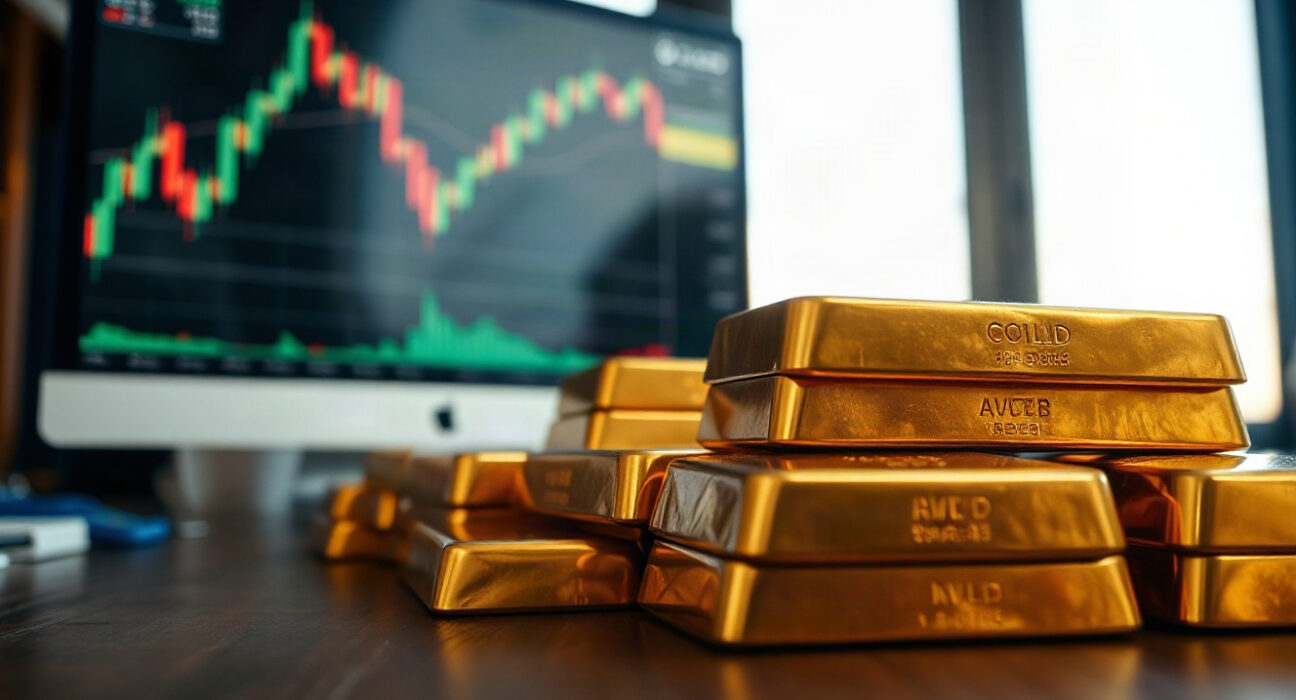
Gold prices remain elevated near record highs as investors shift their attention to the upcoming US Personal Consumption Expenditures (PCE) price index report, a key inflation gauge for the Federal Reserve. The market is looking for clues on the timing of potential interest rate cuts, which could further support the precious metal.
Why the PCE Report Matters for Gold
The PCE price index is the Fed’s preferred measure of inflation, and its latest reading will likely shape monetary policy expectations. A hotter-than-expected print could delay rate cuts, putting downward pressure on gold, while a cooler number may reinforce the case for easing, providing a fresh catalyst for the metal’s rally. As of this week, market pricing suggests a roughly 60% chance of a rate cut by September, according to CME FedWatch data.
Current Market Dynamics
Gold has been supported by a combination of central bank buying, geopolitical uncertainty, and persistent inflation concerns. The metal has gained approximately 12% year-to-date, outperforming many traditional asset classes. However, a strengthening US dollar and rising Treasury yields have recently capped further upside. Investors are also monitoring physical demand from major consumers like China and India, which remains robust despite high prices.
What to Watch in the Report
Analysts expect the core PCE, which excludes food and energy, to show a monthly increase of 0.3% and an annual rise of 2.7%. Any deviation from these forecasts could trigger significant volatility in gold prices. Additionally, the Fed’s forward guidance in the accompanying statement will be scrutinized for hints about the pace of policy normalization.
Conclusion
Gold’s trajectory in the near term hinges on the PCE report and its implications for Federal Reserve policy. While the metal’s long-term fundamentals remain supportive, traders should brace for potential swings. As always, the data will be the ultimate driver, and the market stands ready to react.
FAQs
Q1: What is the PCE price index?
The PCE price index is a measure of inflation that tracks changes in the prices of goods and services consumed by individuals. It is the Federal Reserve’s preferred inflation gauge because it accounts for changes in consumer behavior and provides a broader picture of price pressures.
Q2: How does the PCE report affect gold prices?
Gold is often seen as a hedge against inflation. If the PCE report shows high inflation, it may increase gold’s appeal as a store of value. Conversely, if inflation appears under control, it could reduce demand for gold and potentially lower prices.
Q3: What is the current outlook for gold?
Analysts remain cautiously optimistic on gold, with some projecting further gains if the Fed signals rate cuts later this year. However, a stronger dollar and rising yields could pose headwinds. The market will be closely watching the PCE report for short-term direction.
Disclaimer: The information provided is not trading advice, Bitcoinworld.co.in holds no liability for any investments made based on the information provided on this page. We strongly recommend independent research and/or consultation with a qualified professional before making any investment decisions.
