

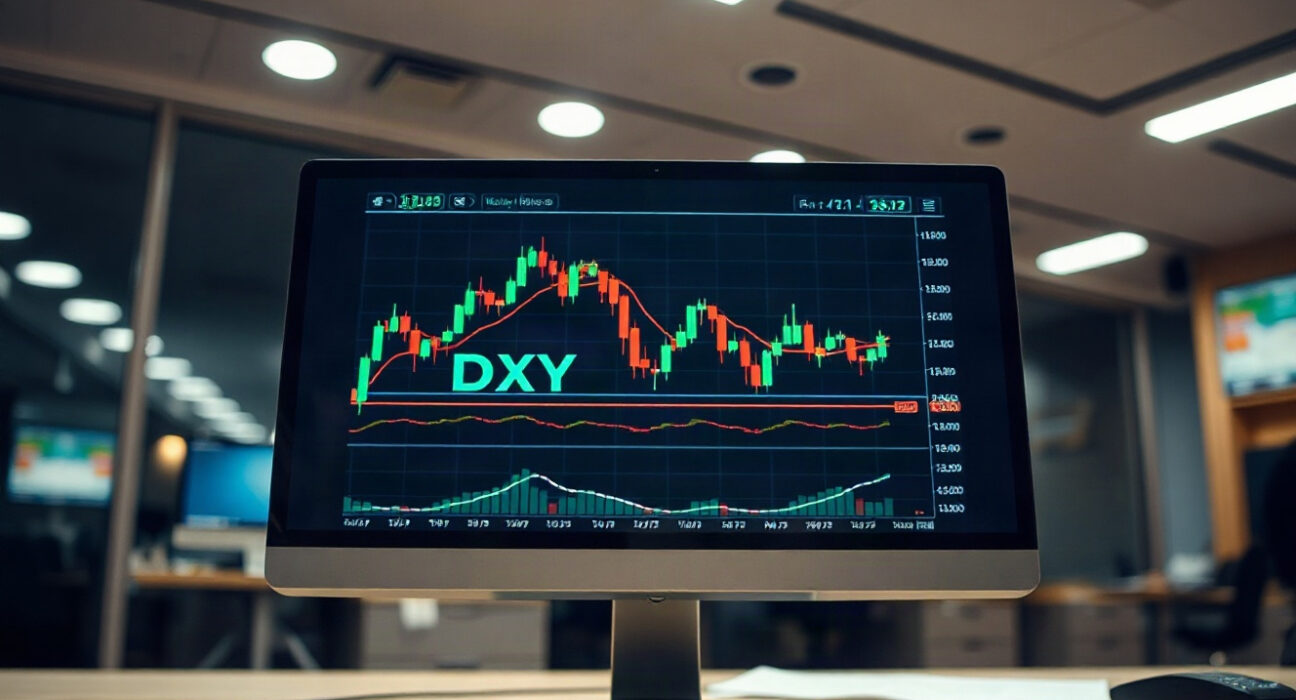
The US Dollar Index is consolidating in a range-bound pattern as traders await the release of the Personal Consumption Expenditures (PCE) price index, according to analysts at Brown Brothers Harriman (BBH). The index, which measures the dollar’s strength against a basket of major currencies, has shown limited directional momentum in recent sessions, reflecting market caution ahead of the Federal Reserve’s preferred inflation gauge.
Market Context and PCE Expectations
The PCE price index, scheduled for release later this week, is expected to provide fresh clues about the trajectory of US inflation and its potential impact on Federal Reserve policy. As of this writing, the dollar index remains within a well-defined trading range, with support and resistance levels clearly marked on technical charts. BBH analysts note that the market is in a wait-and-see mode, with investors hesitant to place large bets before the data release.
The PCE reading is particularly significant because it is the Fed’s preferred measure of inflation, and any upside surprise could reinforce expectations of further interest rate hikes. Conversely, a softer print might fuel speculation that the central bank could pause its tightening cycle. This uncertainty is keeping the dollar’s movement in check, as traders weigh the potential outcomes.
BBH Analysis and Technical Outlook
BBH’s commentary highlights that the dollar index’s range-bound behavior is not unusual ahead of major economic releases. The firm points out that the index has been oscillating within a narrow band, with the 200-day moving average acting as a key technical level. A break above or below this range could set the tone for the next directional move, but until then, consolidation is likely to persist.
From a broader perspective, the dollar’s performance has been influenced by a mix of factors, including relative interest rate differentials, global growth concerns, and geopolitical developments. The upcoming PCE data, however, is seen as the primary catalyst that could break the current stalemate.
Why This Matters for Investors
For currency traders and global investors, the dollar’s direction has wide-ranging implications. A stronger dollar can weigh on US multinational earnings and emerging market assets, while a weaker dollar can boost exports and commodity prices. Understanding the potential scenarios following the PCE release is crucial for positioning in the foreign exchange market and beyond.
The market’s reaction to the PCE data will also influence expectations for the Federal Reserve’s next policy meeting. If inflation remains sticky, the central bank may be compelled to maintain its hawkish stance, supporting the dollar. On the other hand, evidence of cooling price pressures could lead to a more dovish outlook, potentially pressuring the greenback.
Conclusion
In summary, the US Dollar Index is in a holding pattern as traders await the PCE inflation data, with BBH analysts seeing a range-bound market. The outcome of the data release is likely to determine the next significant move for the dollar. Investors should monitor the release closely and consider the potential implications for their portfolios, keeping in mind the broader economic and policy context.
FAQs
Q1: What is the US Dollar Index?
The US Dollar Index (DXY) measures the value of the US dollar relative to a basket of foreign currencies, including the euro, yen, pound, Canadian dollar, Swedish krona, and Swiss franc. It is a widely used benchmark for the dollar’s overall strength in global markets.
Q2: Why is the PCE price index important?
The PCE price index is the Federal Reserve’s preferred measure of inflation. It provides insights into price changes across a broad range of consumer goods and services, helping the Fed make informed decisions about interest rates and monetary policy.
Q3: How does PCE data affect the US dollar?
If PCE inflation comes in higher than expected, it may increase the likelihood of the Fed raising interest rates, which typically strengthens the dollar. Conversely, a lower-than-expected reading could reduce the case for rate hikes, potentially weakening the dollar.
Disclaimer: The information provided is not trading advice, Bitcoinworld.co.in holds no liability for any investments made based on the information provided on this page. We strongly recommend independent research and/or consultation with a qualified professional before making any investment decisions.
