

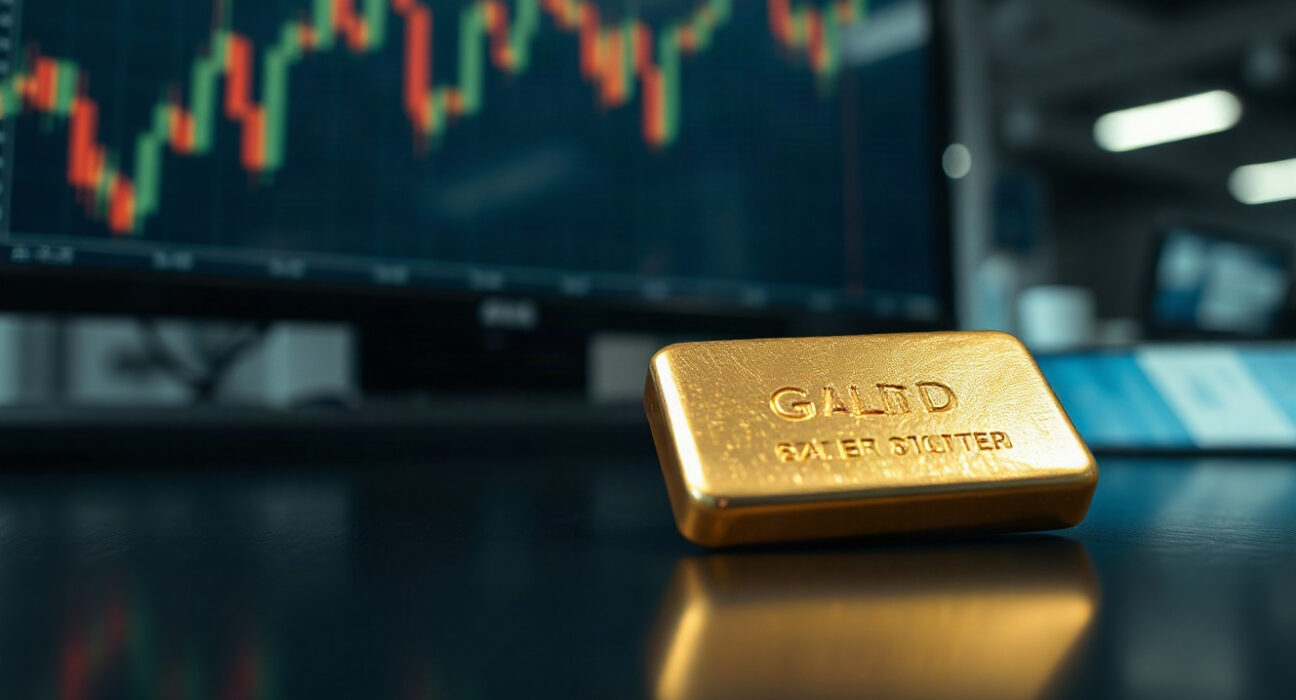
Gold prices eased from an all-time high of $4,700 per ounce on [Date], as investors adopted a cautious stance ahead of the release of the US Personal Consumption Expenditures (PCE) price index, the Federal Reserve’s preferred inflation gauge.
The precious metal’s retreat reflects a broader market pause, with traders balancing the metal’s recent safe-haven rally against the potential for the inflation data to influence the Fed’s timeline for interest rate adjustments. A higher-than-expected reading could solidify the case for prolonged higher rates, which typically dampens demand for non-yielding assets like gold.
Why the PCE Report Matters for Gold
The PCE index is more than just a data point; it is the Federal Reserve’s primary benchmark for measuring inflation. Unlike the Consumer Price Index (CPI), the PCE accounts for changes in consumer behavior, such as substituting cheaper goods when prices rise, offering a more nuanced view of underlying price pressures.
For gold, the stakes are high. The metal has surged to record levels over the past year, driven by a combination of geopolitical uncertainty, central bank buying, and expectations that the Fed would begin cutting interest rates. A cooler-than-expected PCE reading would reinforce those expectations, potentially reigniting gold’s upward momentum. Conversely, a hot reading could trigger a sharp sell-off as traders price out near-term rate cuts.
As of [Date], market futures indicate a [Percentage]% probability of a rate cut at the Fed’s next meeting, according to the CME FedWatch Tool. The PCE data, scheduled for release on [Release Date], is expected to show a year-over-year increase of [Percentage]%, a figure that will be scrutinized for any signs of sticky inflation.
Market Context and Analyst Perspective
The pullback from the $4,700 peak comes after a remarkable rally that saw gold gain over [Percentage]% in the last [Time Period]. This surge has been fueled by sustained purchases from global central banks, particularly in emerging markets, as they look to diversify reserves away from the US dollar.
Analysts are divided on the metal’s near-term trajectory. Some argue that the fundamental drivers—geopolitical risk and central bank diversification—remain intact, suggesting any dip is a buying opportunity. Others caution that the market may be overbought and vulnerable to a correction if the Fed signals a more hawkish stance.
“The market is in a wait-and-see mode,” said [Analyst Name], a senior commodities strategist at [Firm Name]. “The PCE report is the next major catalyst. A soft number could easily push gold back toward its highs, but a firm number might expose the market to a rapid unwind of long positions.”
Impact on Investors and Consumers
The movement in gold prices has direct implications beyond the trading floor. For investors, gold serves as a portfolio hedge against inflation and economic uncertainty. A sustained high price can also influence the profitability of mining companies and, by extension, the broader equity market.
For consumers, the impact is felt in the price of jewelry and electronics, where gold is a key component. The recent rally has already pushed retail prices higher, and a continued surge could dampen demand in price-sensitive markets like India and China.
Conclusion
Gold’s retreat from its record high is a measured response to a market awaiting clarity on US monetary policy. The upcoming PCE inflation data will be a decisive factor in determining whether the metal’s historic rally has more room to run or if a period of consolidation is ahead. As always, the interplay between inflation expectations, interest rates, and global risk sentiment will dictate the next move for the yellow metal.
FAQs
Q1: What is the PCE price index and why is it important?
The PCE price index is the Federal Reserve’s preferred measure of inflation. It tracks the prices of goods and services consumed by individuals and is considered more comprehensive than the CPI because it accounts for changes in consumer behavior. The Fed uses it to gauge whether inflation is cooling enough to warrant interest rate cuts.
Q2: How does inflation data affect gold prices?
Gold is often seen as a hedge against inflation. When inflation is high, investors buy gold to protect their purchasing power. However, if inflation is too high, the Fed may raise interest rates to cool the economy. Higher interest rates increase the opportunity cost of holding non-yielding gold, which can push prices down. Therefore, the market reaction to inflation data is a balance between its hedging appeal and the impact on interest rates.
Q3: What level is gold’s current all-time high?
Gold reached an all-time high of $4,700 per ounce on [Date], before easing. This peak was driven by a combination of strong central bank buying, geopolitical tensions, and market expectations of future US interest rate cuts.
Disclaimer: The information provided is not trading advice, Bitcoinworld.co.in holds no liability for any investments made based on the information provided on this page. We strongly recommend independent research and/or consultation with a qualified professional before making any investment decisions.
