

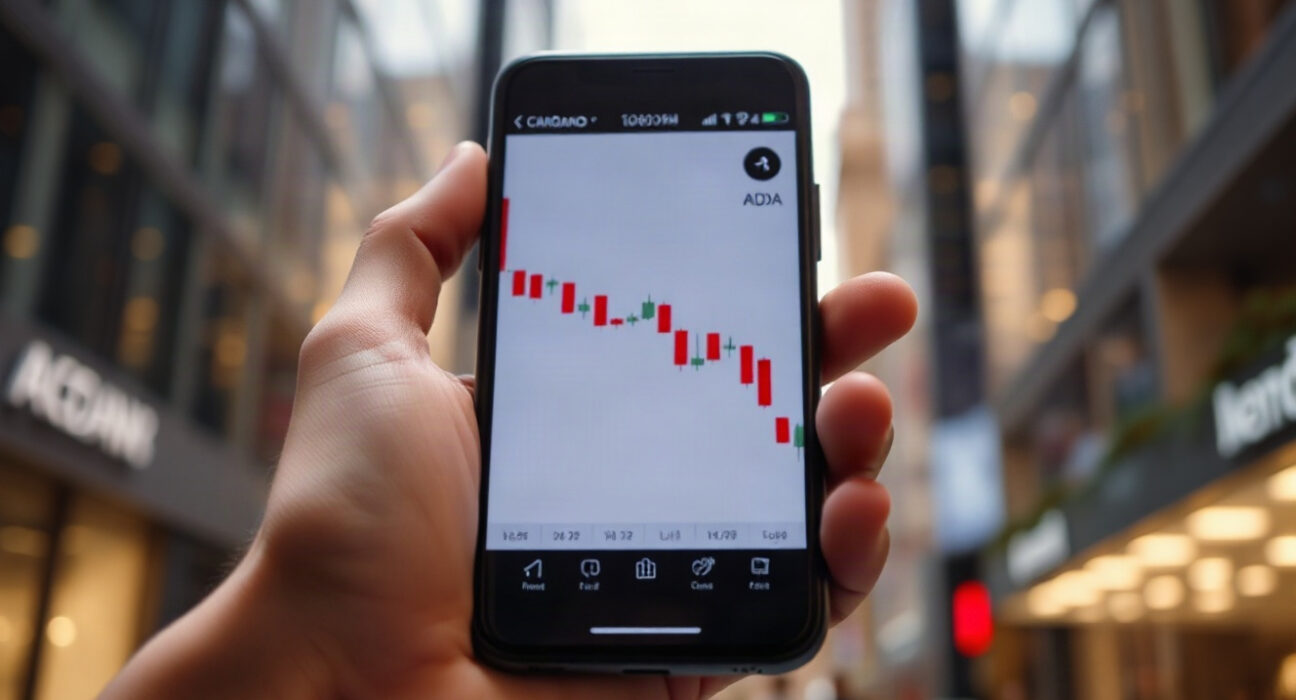
Cardano (ADA) faces a heightened risk of a steeper price decline as retail demand for the cryptocurrency shows signs of easing, according to market data and on-chain indicators as of March 18, 2025. The digital asset, currently ranked among the top 10 cryptocurrencies by market capitalization, has seen its price momentum falter in recent weeks, raising concerns among traders and investors about further downside.
What is driving the decline in retail demand for ADA?
The primary factor behind the weakening retail interest in Cardano is a combination of reduced network activity and a broader shift in market sentiment toward other blockchain platforms. Data from on-chain analytics firms, such as Santiment and Glassnode, indicate a notable decrease in the number of active addresses and transaction volumes on the Cardano network over the past month. This drop in network usage often correlates with reduced retail participation, as fewer users are interacting with the blockchain for transfers, decentralized finance (DeFi) operations, or NFT trading.
Additionally, the overall cryptocurrency market has experienced a period of consolidation, with Bitcoin and Ethereum dominating trading volumes. Retail traders, who typically seek higher volatility and quicker returns, have increasingly gravitated toward assets with more immediate catalysts, such as new token launches or major network upgrades. Cardano, which has not had a major protocol update since the Chang hard fork in late 2024, lacks a fresh narrative to attract speculative capital.
How are on-chain metrics signaling further downside?
On-chain metrics provide a sobering picture for ADA’s short-term prospects. The Market Value to Realized Value (MVRV) ratio, which measures the average profit or loss of all coins in circulation, has fallen below its 30-day moving average, indicating that short-term holders are, on average, underwater. Historically, such a condition often precedes additional selling pressure as these holders may capitulate to cut losses.
Furthermore, the supply of ADA on exchanges has been steadily climbing, according to data from CryptoQuant. An increase in exchange balances typically suggests that investors are moving tokens to trading platforms, potentially preparing to sell. This trend, coupled with declining whale transaction counts, points to a lack of accumulation by large holders, which usually provides a floor for prices during downturns.
What does this mean for ADA’s price trajectory?
From a technical analysis perspective, ADA has broken below a key support level at $0.45, which had held since early February. The next significant support zone lies near $0.40, a level that was tested multiple times in late 2024. If this support fails, the next psychological level at $0.35 could come into play. Conversely, for any recovery, ADA must reclaim the $0.45 level and sustain it, with a move above $0.50 needed to shift the short-term trend from bearish to neutral.
The broader market context is also critical. If Bitcoin, which has been trading in a range between $60,000 and $70,000, experiences a downward breakout, it could drag altcoins like ADA further down. Conversely, a positive surprise in regulatory news or a major partnership announcement could spark a reversal in sentiment.
Why does this matter for crypto investors?
For investors, the current situation underscores the importance of monitoring both on-chain metrics and broader market trends. Retail demand is a crucial driver for altcoin prices, and its decline often precedes extended bearish phases. Understanding these signals can help investors make more informed decisions about entry and exit points, rather than relying solely on price charts.
Moreover, Cardano’s long-term fundamentals remain intact, with ongoing development and a strong community. However, in the short term, the lack of retail participation and negative technical signals suggest that caution is warranted. Investors should be prepared for potential volatility and consider risk management strategies, such as setting stop-loss orders or diversifying their portfolios.
Conclusion
Cardano’s price outlook is increasingly bearish as retail demand fades, with on-chain data and technical indicators pointing to further downside risks. While the asset’s long-term potential remains, the immediate trend favors caution. Traders and investors should watch key support levels and broader market cues to navigate the coming weeks.
FAQs
Q1: Is Cardano a good long-term investment?
Cardano has a strong development roadmap and a dedicated community, which could support its value over the long term. However, like all cryptocurrencies, it carries significant risk. Investors should conduct thorough research and consider their risk tolerance before investing.
Q2: What are the key levels to watch for ADA?
Immediate support is at $0.40, with a stronger floor near $0.35. On the upside, resistance is at $0.45, followed by $0.50. A sustained move above these levels could signal a trend reversal.
Q3: How can retail demand affect cryptocurrency prices?
Retail demand drives trading volume and liquidity, which can amplify price movements. When retail participation declines, assets often experience lower volatility and can be more susceptible to downside pressure from larger holders.
Disclaimer: The information provided is not trading advice, Bitcoinworld.co.in holds no liability for any investments made based on the information provided on this page. We strongly recommend independent research and/or consultation with a qualified professional before making any investment decisions.
