

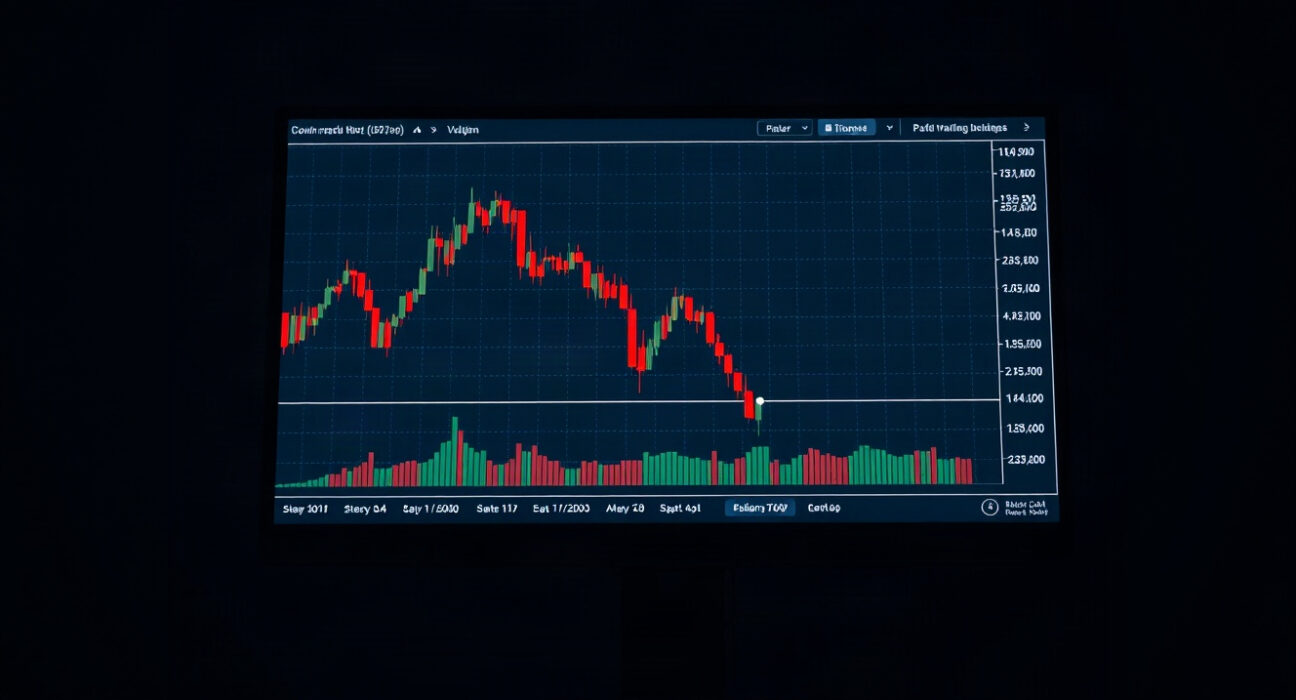
A Bitcoin whale who opened a $38.07 million short position with 20x leverage has cut the trade after roughly 60 hours, locking in a $288,000 loss. According to on-chain analyst ai_9684xtpa, this marks the whale’s 16th consecutive loss since switching to short positions on Aug. 19. Cumulative losses over the past month are estimated at about $5.25 million.
Background: The Whale’s Losing Streak
The whale’s recent activity highlights the risks of high-leverage trading in volatile crypto markets. Since mid-August, the trader has consistently opened short positions, expecting Bitcoin’s price to decline. However, the market has moved against them, resulting in a series of losses. The latest trade, a $38.07 million short with 20x leverage, was closed after only 60 hours, reflecting a quick exit to minimize further damage.
On-chain data from ai_9684xtpa provides transparency into whale behavior, which is often closely watched by retail traders for market signals. While this whale’s losses are significant, they are not necessarily indicative of broader market sentiment, as other whales may hold opposing positions.
Market Context and Implications
Bitcoin’s price action over the past month has been characterized by moderate volatility, with periods of upward momentum that have challenged short sellers. The whale’s persistent shorting despite repeated losses suggests a strong conviction in a bearish outlook, but the realized losses underscore the difficulty of timing the market with leverage.
High-leverage positions amplify both gains and losses. A 20x leverage means a 5% adverse price move can wipe out the entire margin. In this case, the whale’s cumulative $5.25 million loss over 16 trades indicates a series of unfavorable price movements, possibly totaling several percentage points against their entry prices.
Why This Matters to Traders
For everyday traders, this story serves as a cautionary tale about the dangers of over-leveraging. Even well-capitalized whales can suffer sustained losses when market conditions shift. It also highlights the importance of risk management, including setting stop-loss orders and avoiding emotional trading after consecutive losses.
Moreover, the activity of large traders, or whales, can influence market dynamics. While this whale’s short positions have been unprofitable, their trading activity may still add selling pressure, potentially contributing to short-term price dips. However, the impact is often temporary and dwarfed by broader market trends.
Conclusion
The whale’s 16th consecutive loss, totaling $5.25 million in a month, underscores the high-stakes nature of leveraged crypto trading. While the trader remains active, the losses serve as a reminder that even large players are not immune to market volatility. For observers, this on-chain data offers a rare glimpse into the challenges faced by high-leverage traders and reinforces the need for disciplined risk management in the crypto space.
FAQs
Q1: What is a short position in cryptocurrency trading?
A short position is a bet that an asset’s price will decrease. In crypto trading, traders can open short positions by borrowing the asset, selling it at the current price, and hoping to buy it back at a lower price to profit from the difference.
Q2: What is 20x leverage?
Leverage allows traders to control a larger position with a smaller amount of capital. With 20x leverage, a trader can open a position 20 times larger than their margin. For example, with $1,000, they can control a $20,000 position. This amplifies both potential profits and losses.
Q3: How does on-chain analysis track whale activity?
On-chain analysts monitor blockchain transactions to identify large holders, or whales, by tracking wallet addresses with significant amounts of cryptocurrency. They can observe when these wallets move funds to exchanges, which may indicate upcoming trades, and estimate positions based on exchange flow data.
Disclaimer: The information provided is not trading advice, Bitcoinworld.co.in holds no liability for any investments made based on the information provided on this page. We strongly recommend independent research and/or consultation with a qualified professional before making any investment decisions.
