

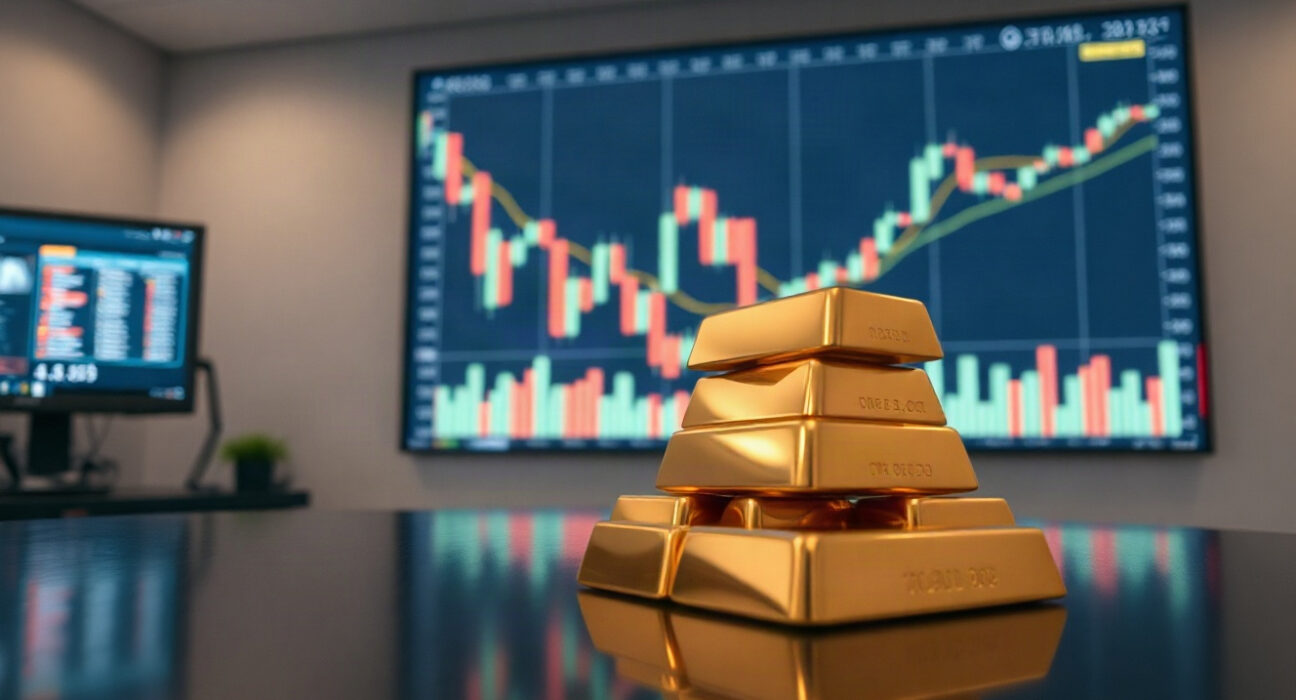
Gold prices eased on Tuesday as investors held back from major bets, waiting for clearer signals from the Federal Reserve on the direction of interest rates. The pullback comes amid a quieter week for economic data, with market participants focusing on upcoming Fed speeches and inflation figures to gauge the central bank’s next policy move.
Why Gold Is Under Pressure
The dip in gold prices is largely attributed to a slightly stronger U.S. dollar and steady Treasury yields, which reduce the appeal of non-yielding assets like bullion. As of this week, the dollar index hovered near recent highs, making gold more expensive for holders of other currencies. At the same time, benchmark 10-year Treasury yields remained firm, reflecting expectations that the Fed may keep rates higher for longer.
Gold traders are also digesting recent comments from Fed officials, who have struck a cautious tone about inflation and the labor market. While some policymakers have hinted at possible rate cuts later this year, others have emphasized the need for more evidence that inflation is sustainably moving toward the 2% target. This mixed messaging has left the market uncertain about the timing and pace of any easing.
Market Expectations and Data Watch
According to the CME FedWatch tool, futures traders currently price in a roughly 60% chance of a rate cut at the Fed’s September meeting, down from about 70% a month ago. The shift reflects stronger-than-expected jobs data and sticky inflation readings, which have led some investors to push back their expectations for the first cut.
Key data releases this week include the latest consumer price index (CPI) report and retail sales figures, both of which could influence the Fed’s decision-making. A hotter-than-expected CPI print could reinforce the case for holding rates steady, while a cooler number might revive hopes for a cut. Analysts note that gold prices are highly sensitive to these data points, as they directly affect the real yield environment.
Impact on Investors
For investors, the current gold price action underscores the importance of monitoring macroeconomic signals. Gold is often seen as a hedge against inflation and economic uncertainty, but its performance is closely tied to interest rates and the dollar. When rates are high, the opportunity cost of holding gold increases, as it does not pay interest or dividends.
Long-term investors may view any pullback as a potential entry point, especially if they believe the Fed will eventually cut rates. However, short-term traders are likely to remain cautious until the central bank provides clearer guidance. The upcoming Fed minutes and speeches by Chair Jerome Powell are expected to offer more clues.
Conclusion
Gold prices are likely to remain range-bound in the near term as traders await more definitive signals from the Federal Reserve. The interplay between inflation data, dollar strength, and rate expectations will be crucial in determining the metal’s next direction. For now, the market is in a wait-and-see mode, with investors balancing the prospects of rate cuts against the resilience of the U.S. economy.
FAQs
Q1: Why do gold prices fall when the dollar strengthens?
Gold is priced in U.S. dollars, so when the dollar appreciates, it becomes more expensive for buyers using other currencies. This typically reduces demand and pushes prices down.
Q2: How do Federal Reserve interest rate decisions affect gold?
Higher interest rates increase the opportunity cost of holding non-yielding assets like gold, making it less attractive. Conversely, lower rates tend to boost gold prices by reducing that opportunity cost.
Q3: What economic data should gold investors watch?
Key indicators include inflation reports (CPI, PCE), employment data (nonfarm payrolls), and Federal Reserve statements or minutes. These provide insights into the central bank’s policy trajectory, which directly influences gold prices.
Disclaimer: The information provided is not trading advice, Bitcoinworld.co.in holds no liability for any investments made based on the information provided on this page. We strongly recommend independent research and/or consultation with a qualified professional before making any investment decisions.
