

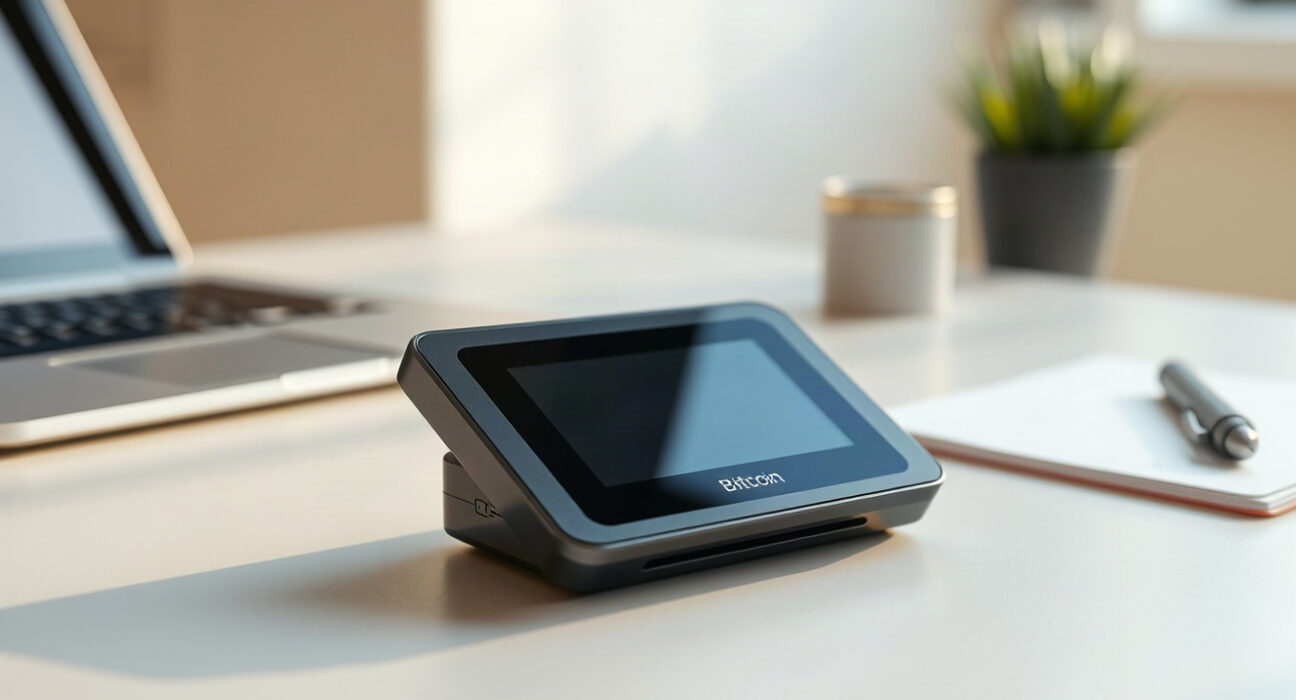
JAN3 CEO Samson Mow has sparked a fresh debate over cryptocurrency terminology, arguing that the industry should replace the term “hardware wallet” with “Bitcoin Signing Device.” Mow, a well-known Bitcoin advocate, contends that the common label misrepresents what these devices actually do and leads to confusion about how Bitcoin ownership works.
The case for renaming hardware wallets
In a series of public statements, Mow explained that Bitcoin is not stored inside a hardware wallet. Instead, Bitcoin exists on the blockchain, and the device merely holds the private keys—generated from a seed phrase—that are used to sign transactions. He argued that calling these devices “wallets” implies they store Bitcoin, which is technically inaccurate.
“The device is not a storage tool; it’s a signing tool,” Mow said. He emphasized that the more critical issue for users is securely backing up their seed phrase, as losing it means losing access to their Bitcoin, regardless of the device’s condition.
Industry pushback and historical context
Mow acknowledged that similar attempts to rebrand hardware wallets have been made before. In 2016, Trezor and other companies experimented with the term “Bitcoin Signing Device,” but sales reportedly declined, possibly due to user unfamiliarity. However, Mow believes the industry and users now have a better understanding of Bitcoin’s underlying technology, making a second attempt more viable.
He also pointed out that devices vary in how they generate and store keys, but their common function remains signing. This distinction, he argues, is essential for both new and experienced users to grasp the true nature of self-custody.
Why this matters for Bitcoin users
The terminology debate is more than semantic. For newcomers, the phrase “hardware wallet” can create a false sense of security, implying that the device itself is a safe deposit box for coins. In reality, the seed phrase is the ultimate key to one’s funds, and its backup is the most critical security step. Adopting clearer language could help reduce user errors, such as losing seed phrases or misunderstanding recovery processes.
Conclusion
Samson Mow’s push to rebrand hardware wallets as “Bitcoin Signing Devices” highlights a broader need for precision in cryptocurrency education. While the term may not change overnight, the conversation underscores the importance of understanding where Bitcoin truly resides—on the blockchain—and the role of devices in securing access. For now, users should focus on best practices: secure your seed phrase, verify your device’s authenticity, and understand that the device is a tool for signing, not a vault.
FAQs
Q1: What is a Bitcoin Signing Device?
A Bitcoin Signing Device is a hardware device that securely generates and stores private keys, which are used to sign Bitcoin transactions. It does not store Bitcoin itself; rather, it facilitates the authorization of transfers on the blockchain.
Q2: Why does Samson Mow prefer “Bitcoin Signing Device” over “hardware wallet”?
Mow argues that “hardware wallet” inaccurately implies the device stores Bitcoin. In reality, Bitcoin exists on the blockchain, and the device only holds keys. The term “signing device” more accurately describes its function and emphasizes the importance of seed backup.
Q3: Did a similar rebranding attempt fail before?
Yes, in 2016, Trezor and other companies tried using “Bitcoin Signing Device,” but sales reportedly dropped, possibly due to user confusion. Mow believes that with greater industry maturity, the term could now gain traction.
Disclaimer: The information provided is not trading advice, Bitcoinworld.co.in holds no liability for any investments made based on the information provided on this page. We strongly recommend independent research and/or consultation with a qualified professional before making any investment decisions.
