

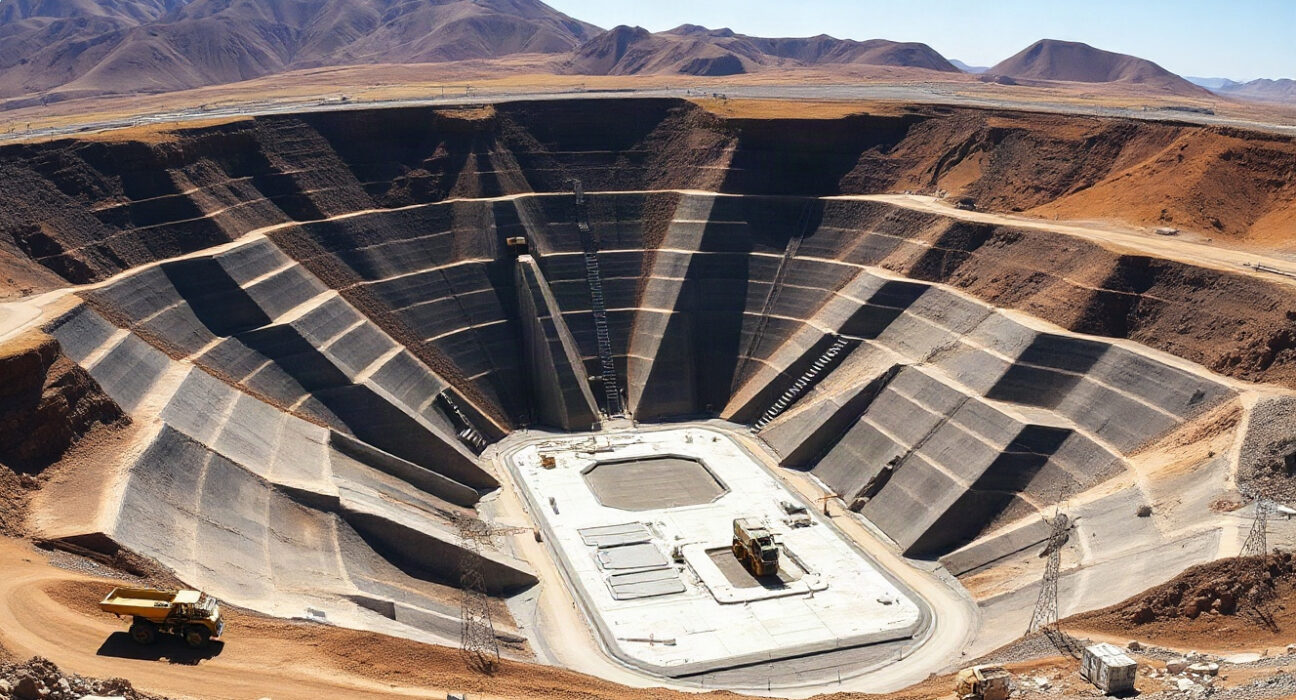
Silver mine production in Mexico, Peru, and Chile fell sharply in the first quarter of 2025, driven by a combination of mine closures, lower ore grades, and operational disruptions across the region, according to recent industry data.
Why did silver output decline in these countries?
In Mexico, the world’s largest silver producer, output dropped by 12% year-on-year in Q1 2025, primarily due to the temporary suspension of operations at several key mines, including Newmont’s Peñasquito, which faced community blockades earlier in the year. Additionally, declining ore grades at mature operations, such as Fresnillo’s Fresnillo and Saucito mines, reduced recoverable volumes.
Peru, the second-largest producer, saw a 9% decline, attributed to a combination of lower grades at the Antamina mine (a copper-zinc operation that also yields silver as a by-product) and a reduction in output from artisanal and small-scale miners due to stricter environmental enforcement. Chile, a significant producer primarily as a by-product of copper mining, reported a 7% drop, linked to planned maintenance at major copper operations like Codelco’s Chuquicamata and lower ore throughput at other sites.
What are the broader implications for the silver market?
The simultaneous decline in output from these three countries—which together account for roughly 45% of global silver mine production—has tightened the physical silver market. As of May 2025, the silver price has risen by 18% year-to-date, trading near $32 per ounce, driven by strong industrial demand for solar panels and electronics, alongside investor interest in precious metals as a hedge against inflation.
Analysts note that the supply shortfall is likely to persist through 2025, as several new projects in the region are still in development and existing mines face challenges in maintaining output. The Silver Institute projects a third consecutive annual market deficit in 2025, with demand exceeding supply by around 150 million ounces.
Impact on mining companies and local economies
For mining companies, the decline in output has led to downward revisions in annual production guidance. Fresnillo plc, for instance, cut its 2025 silver production forecast by 5% in April, citing ore grade variability. On the ground, the production drop affects local economies that depend on mining employment and tax revenues, particularly in rural areas of Mexico and Peru where mining is a primary source of income.
Conclusion
The simultaneous reduction in silver output from Mexico, Peru, and Chile underscores the fragility of global silver supply, which is heavily concentrated in a few countries. With demand for silver in green technologies and electronics continuing to rise, the market remains vulnerable to further disruptions. Investors and industry stakeholders should monitor mine-level developments closely, as any additional operational setbacks could exacerbate the supply deficit and influence prices through the rest of 2025.
FAQs
Q1: What are the main reasons for the silver production drop in Mexico?
Mexico’s silver output fell due to temporary mine suspensions (e.g., Peñasquito), lower ore grades at key operations, and community-related disruptions that halted production for several weeks.
Q2: How does lower silver output affect the price?
Reduced supply, combined with steady industrial demand, typically pushes prices higher. As of May 2025, silver prices have risen by 18% year-to-date, partly due to the supply shortfall.
Q3: Will the silver supply deficit continue?
Most analysts expect the deficit to persist through 2025, as new projects are still in ramp-up and existing mines face operational challenges. The Silver Institute projects a third consecutive annual deficit.
Disclaimer: The information provided is not trading advice, Bitcoinworld.co.in holds no liability for any investments made based on the information provided on this page. We strongly recommend independent research and/or consultation with a qualified professional before making any investment decisions.
