

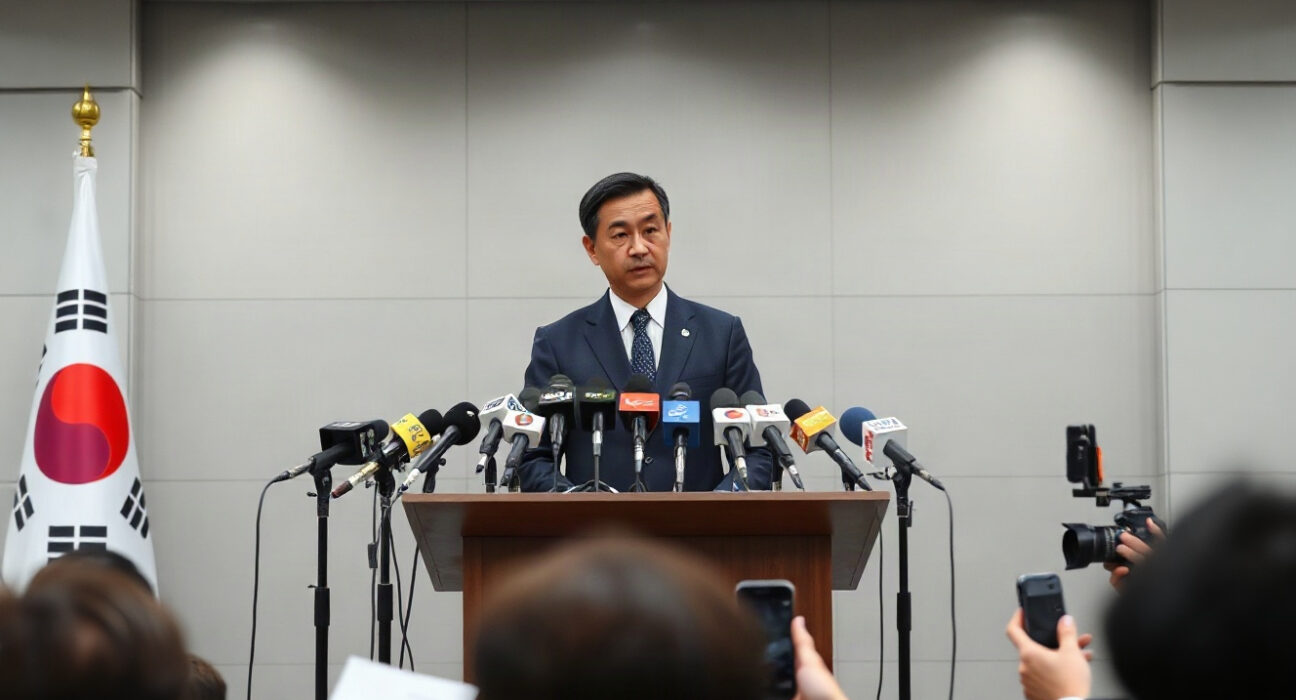
South Korea’s ruling People Power Party (PPP) has clarified that it has not yet held formal discussions on digital asset taxation, with a party position expected to be announced at a later date. The statement, made by floor leader Jeong Jeom-sik on Aug. 28, comes amid growing public and industry anticipation over the future of crypto taxation in the country.
No Formal Discussions Yet, Says PPP Floor Leader
Speaking to reporters at Sono Calm in Goyang, Gyeonggi Province, Jeong Jeom-sik said the party has not yet deliberated on the specifics of digital asset taxation. This follows earlier remarks by party leader Jang Dong-hyuk, who on Aug. 26, marking his first anniversary in office, suggested that the party’s workshop would likely include in-depth discussions by standing committees on the matter. However, no such session took place, and a policy committee press release issued on the same day made no mention of digital assets.
Jang had also indicated at the Aug. 27 workshop that the party would share an update after discussing policy on virtual asset taxation. The latest statement from Jeong suggests that the timeline for a concrete policy announcement remains open, leaving investors and market observers waiting for clearer guidance.
Context and Implications for Crypto Investors
South Korea has been grappling with how to regulate and tax digital assets for years. The government initially planned to introduce a 20% capital gains tax on crypto earnings starting in 2022, but the implementation was postponed twice, most recently to 2025, amid market turbulence and industry pushback. The current uncertainty stems from conflicting signals within the ruling party and the broader political landscape.
For crypto investors in South Korea, the lack of a clear stance creates an environment of regulatory ambiguity. The outcome of these discussions could significantly impact trading behavior, market liquidity, and the broader adoption of digital assets in one of the world’s most active crypto markets. Additionally, the delay in policy formulation may affect the competitiveness of South Korean exchanges and blockchain projects compared to other jurisdictions with clearer tax frameworks.
Why This Matters
The PPP’s position on crypto taxation is not just a domestic policy issue; it carries international relevance. South Korea is a major player in the global crypto economy, and its regulatory decisions often influence regional trends. A clear and balanced tax framework could foster innovation and protect investors, while prolonged uncertainty might drive activity to less regulated markets.
For now, the party’s silence leaves the industry in a holding pattern. Observers will be watching for any further statements from party leadership, particularly as the National Assembly session progresses and budget discussions for the coming year take shape.
Conclusion
As of late August, South Korea’s People Power Party has not yet formulated a definitive stance on digital asset taxation. While party leaders have acknowledged the topic, concrete policy discussions remain pending. The eventual decision will be closely monitored by investors, exchanges, and policymakers, given its potential to shape the country’s crypto regulatory landscape for years to come.
FAQs
Q1: What is the current status of crypto taxation in South Korea?
Currently, there is no final decision on the implementation of a crypto gains tax. The government has postponed the planned 20% tax twice, and the latest discussions within the ruling party have not yet produced a concrete policy stance.
Q2: When is the next possible date for the crypto tax to take effect?
Under the current law, the tax is scheduled to take effect in January 2025, but this date could change depending on future legislative actions. The People Power Party’s ongoing review may lead to further adjustments.
Q3: How might the PPP’s stance affect crypto investors?
The uncertainty surrounding the tax policy could influence investor sentiment and market activity. A clear and fair tax framework might provide regulatory clarity and encourage institutional participation, while prolonged ambiguity could drive some investors to seek more predictable environments elsewhere.
Disclaimer: The information provided is not trading advice, Bitcoinworld.co.in holds no liability for any investments made based on the information provided on this page. We strongly recommend independent research and/or consultation with a qualified professional before making any investment decisions.
