

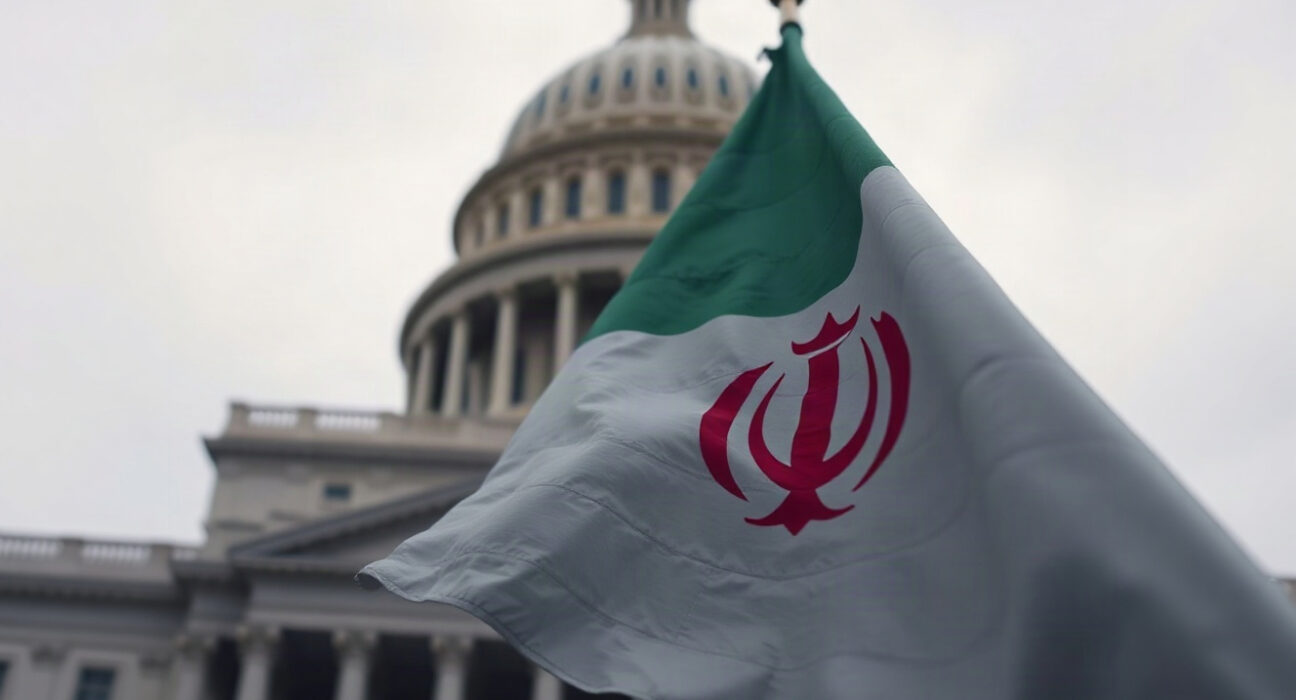
Iran has officially condemned the latest round of United States economic measures, labeling them as “state terrorism” in a formal statement released on [Date]. The move escalates ongoing tensions between the two nations, which have been marked by a series of sanctions and counter-accusations over the past several years.
What Are the New US Economic Measures?
The new measures, announced by the US Treasury Department, target key sectors of the Iranian economy, including [specific sectors if known, otherwise use general description]. These actions are part of a broader strategy to pressure Tehran over its nuclear program and regional activities. The specifics of the measures were not immediately detailed in the Iranian statement, but they represent the latest in a long line of economic restrictions imposed by Washington.
Iran’s Foreign Ministry spokesperson, in a press briefing, described the measures as “a clear violation of international law and a hostile act against the Iranian people.” The statement emphasized that such actions would not achieve their intended objectives and would only deepen distrust between the two countries.
Why Does This Matter?
This development is significant for several reasons. It comes at a time when diplomatic efforts to revive the 2015 nuclear deal, formally known as the Joint Comprehensive Plan of Action (JCPOA), have stalled. The US withdrawal from the deal in 2018 and subsequent “maximum pressure” campaign have been a major point of contention. The new measures could further complicate any potential return to negotiations, as Tehran may view them as a lack of good faith on the part of the US.
For the global community, the escalating tensions raise concerns about regional stability in the Middle East, particularly in the Persian Gulf, where oil shipping lanes are crucial to world energy supplies. Any significant disruption could have economic repercussions worldwide, affecting oil prices and global markets.
Impact on Iran’s Economy and People
The Iranian economy has been under severe strain from sanctions, with inflation and unemployment rates remaining high. The new measures are likely to exacerbate these challenges, affecting the daily lives of ordinary Iranians. This has led to growing frustration within the country, as well as increased pressure on the government to find a way to alleviate the economic hardship.
Analysts suggest that while the measures may be intended to force a change in Iranian behavior, they could also have the opposite effect, hardening Tehran’s stance and reducing the likelihood of a diplomatic solution.
International Reaction and Next Steps
The international community has been divided in its response. Some nations, particularly European allies, have expressed concern over the escalation and urged both sides to return to the negotiating table. Others, including some regional players, have remained silent or supported the US position. The United Nations has called for restraint and a de-escalation of tensions, but no concrete diplomatic initiative has been announced as of yet.
Looking ahead, the situation remains fluid. Iran has stated it will respond to the measures “at the appropriate time and in an appropriate manner,” leaving the door open for further escalation. The coming weeks will be crucial in determining whether this dispute can be managed through diplomacy or if it will spiral into a deeper crisis.
Conclusion
In summary, Iran’s condemnation of the new US economic measures as “state terrorism” underscores the deep-seated mistrust between the two nations. While the immediate impact is felt in the economic sphere, the broader implications for regional stability and international diplomacy are significant. As the situation develops, the world will be watching closely to see if this latest confrontation leads to a renewed diplomatic effort or further escalation.
FAQs
Q1: What exactly are the new US economic measures against Iran?
While the full details have not been publicly disclosed, the measures are reported to target additional sectors of Iran’s economy, including financial and industrial areas, as part of ongoing sanctions aimed at limiting Iran’s nuclear and missile programs.
Q2: How has Iran responded to these measures?
Iran has officially condemned the measures, labeling them “state terrorism” and stating that they violate international law. The government has also indicated that it will respond at a time and manner of its choosing.
Q3: Could these measures affect the 2015 nuclear deal?
Yes, the measures could further complicate efforts to revive the JCPOA. Iran may view them as a sign of bad faith, reducing the likelihood of returning to negotiations. The US has stated it remains open to diplomacy, but the current trajectory suggests a challenging path forward.
Disclaimer: The information provided is not trading advice, Bitcoinworld.co.in holds no liability for any investments made based on the information provided on this page. We strongly recommend independent research and/or consultation with a qualified professional before making any investment decisions.
