

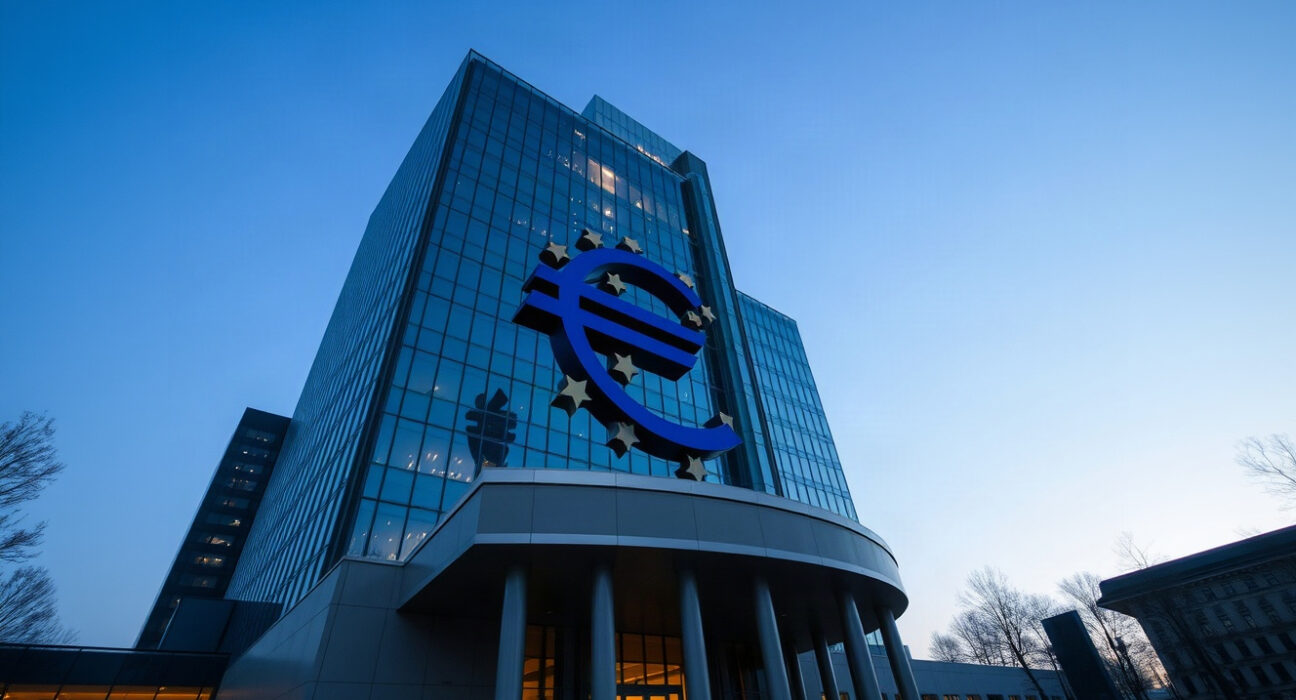
Energy prices are not spilling over into core inflation in Europe, according to the latest analysis, a trend that could influence the European Central Bank’s policy decisions as it balances price stability with economic growth.
Understanding the Disconnect
The relationship between energy costs and core inflation—which excludes volatile items like food and energy—has been a key focus for economists. In the current cycle, despite significant fluctuations in energy prices, core inflation has remained relatively stable, suggesting that second-round effects, such as wage-price spirals, have not materialized as initially feared.
Data from the eurozone indicates that while headline inflation has been volatile due to energy shocks, core inflation has followed a more moderate path. This disconnect is crucial for policymakers because it implies that temporary energy price spikes may not require aggressive monetary tightening, which could stifle economic recovery.
Implications for ECB Policy
For the European Central Bank, the lack of spillover means that its policy stance can be more measured. The ECB has been navigating a delicate balance between curbing inflation and supporting growth. If energy prices do not feed into broader price pressures, the central bank may have more room to keep interest rates lower for longer, supporting employment and investment.
However, economists caution that this situation could change if energy prices remain elevated for an extended period or if wage demands rise in response to higher living costs. The ECB’s data-dependent approach will need to remain vigilant to any signs of second-round effects.
What This Means for Consumers and Businesses
For consumers, the absence of energy spillover into core inflation means that the prices of everyday goods and services are not rising as fast as headline inflation might suggest. This provides some relief to household budgets, which have been strained by high energy bills. For businesses, particularly those in energy-intensive sectors, the stability of core inflation can help with planning and pricing strategies, reducing uncertainty.
Conclusion
In summary, the current data suggests that energy price shocks are not translating into broader inflationary pressures in Europe. This provides a degree of stability for the ECB and offers a more optimistic outlook for the eurozone economy. Nevertheless, the situation warrants close monitoring, as prolonged energy price pressures or changes in wage dynamics could alter this picture.
FAQs
Q1: What is core inflation and why does it matter?
Core inflation excludes volatile items like food and energy, providing a clearer view of underlying price trends. It is a key indicator for central banks when setting monetary policy, as it reflects persistent inflationary pressures.
Q2: Why are energy prices not spilling into core inflation?
Several factors may explain this, including limited pass-through to consumer prices, weak wage growth, and the fact that businesses may absorb higher energy costs rather than passing them on to consumers, to remain competitive.
Q3: How might this affect the European Central Bank’s decisions?
The ECB may be less inclined to raise interest rates aggressively if energy price shocks do not lead to broader inflation. This allows for a more accommodative monetary policy, supporting economic growth while keeping inflation in check.
Disclaimer: The information provided is not trading advice, Bitcoinworld.co.in holds no liability for any investments made based on the information provided on this page. We strongly recommend independent research and/or consultation with a qualified professional before making any investment decisions.
