

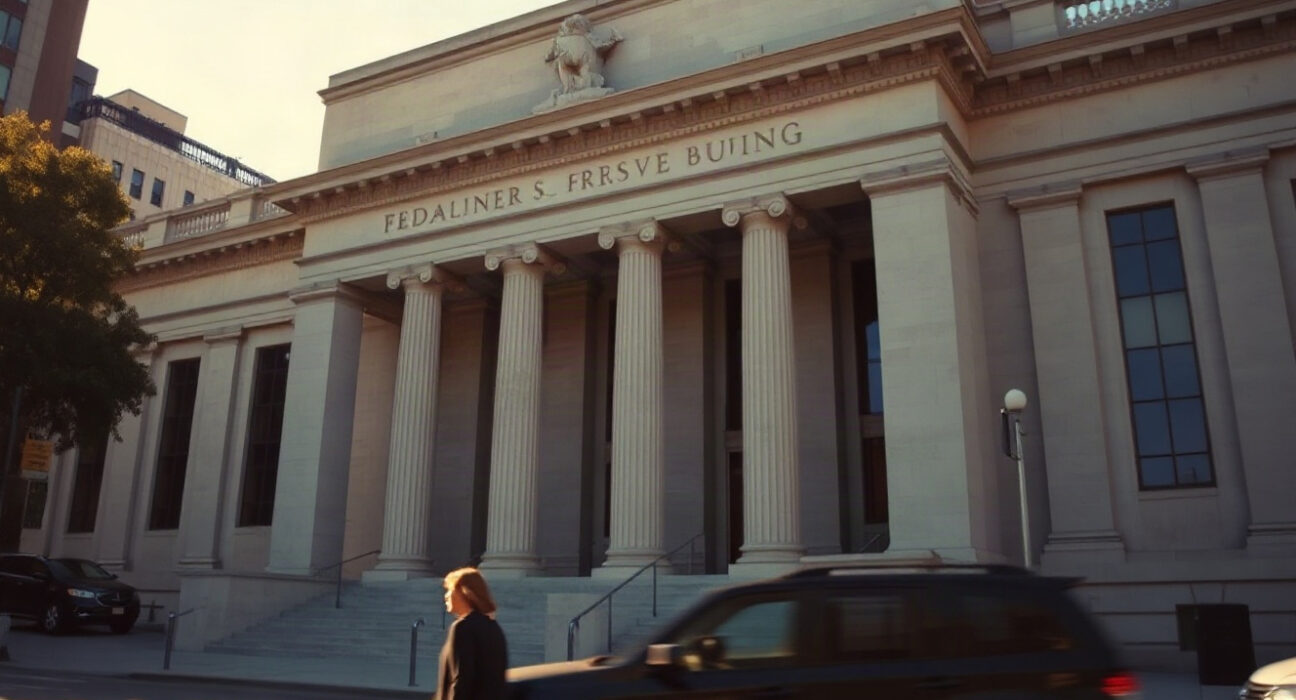
Federal Reserve Bank of Cleveland President Beth Hammack stated that the time has come for the central bank to act on interest rate hikes, signaling a potential shift in monetary policy to address ongoing inflationary pressures. Her remarks, delivered during a recent public appearance, underscore a growing sentiment within some corners of the Fed that current policy settings may not be sufficiently restrictive to bring inflation back to the 2% target.
Hammack’s Stance on Monetary Policy
Hammack’s comments represent a clear call for action, suggesting that the Federal Open Market Committee (FOMC) should consider raising its benchmark federal funds rate. She argued that with the economy showing resilience and inflation proving stubborn, the risks of doing too little to combat price increases now outweigh the risks of tightening policy too much. This perspective aligns her with a more hawkish wing of the central bank, which has been advocating for a firmer approach to ensure price stability.
Her statement adds a significant voice to the ongoing debate within the Federal Reserve about the next steps for monetary policy. While several Fed officials have recently emphasized a data-dependent approach, Hammack’s language is notably more direct, framing the need for rate hikes as a matter of timing rather than a conditional possibility. The Cleveland Fed president is known for her focus on inflation data and her concern about the potential for price pressures to become entrenched in the economy.
Market Implications and Economic Context
The prospect of further rate hikes has immediate implications for financial markets, influencing Treasury yields, the US dollar, and equity valuations. Investors closely monitor Fed communications for signals about the future path of interest rates, and Hammack’s hawkish tone could lead to increased market volatility as traders adjust their expectations. A higher federal funds rate would tighten financial conditions, potentially slowing economic growth and impacting borrowing costs for consumers and businesses across mortgages, auto loans, and corporate credit.
This push for action comes against a backdrop of mixed economic data. While the labor market has remained robust, with solid job creation and low unemployment, recent reports on consumer prices have indicated that inflation is not declining as quickly as policymakers had hoped. This dynamic creates a complex challenge for the FOMC, which must balance its dual mandate of maximum employment and price stability. Hammack’s comments suggest she believes the inflation side of the mandate currently warrants greater urgency.
Why This Matters for Consumers and Investors
For everyday consumers, a potential rate hike translates to higher costs for borrowing. Credit card rates, which are directly tied to the federal funds rate, would increase, and new mortgages and auto loans would become more expensive. For investors, the policy path dictates the attractiveness of various asset classes; higher rates often lead to lower valuations for growth stocks and make cash and fixed-income investments more appealing. Understanding the Fed’s trajectory is therefore crucial for financial planning and portfolio management.
The debate over rate hikes is also a critical test of the Fed’s credibility. After a prolonged period of high inflation, the central bank’s commitment to its 2% target is under scrutiny. Hammack’s insistence on further action reinforces the message that the Fed is prepared to take the necessary steps, even if they involve politically unpopular decisions, to restore price stability and maintain its institutional authority in the fight against inflation.
Conclusion
Cleveland Fed President Beth Hammack’s declaration that it is time for the central bank to act with rate hikes adds a powerful voice to the hawkish side of the monetary policy debate. Her comments reflect deep concern over persistent inflation and suggest that the FOMC may need to consider further tightening at upcoming meetings. The ultimate decision will depend on a broader consensus within the committee and the trajectory of incoming economic data, but Hammack’s stance ensures that the argument for more aggressive action remains at the forefront of the Federal Reserve’s deliberations.
FAQs
Q1: Who is Beth Hammack?
Beth Hammack is the President and CEO of the Federal Reserve Bank of Cleveland. She is a voting member of the Federal Open Market Committee (FOMC) on a rotating basis and contributes to the national discussion on monetary policy.
Q2: What does it mean when the Fed raises interest rates?
When the Federal Reserve raises its benchmark federal funds rate, it becomes more expensive for banks to borrow money overnight. This cost is passed on to consumers and businesses in the form of higher interest rates on loans, which helps cool down economic activity and reduce inflation.
Q3: How might a rate hike affect the average person?
A rate hike typically leads to higher costs for credit cards, auto loans, and adjustable-rate mortgages. It can also slow down job growth and wage increases. However, it is intended to lower inflation, which helps preserve the purchasing power of consumers’ money over the long term.
Disclaimer: The information provided is not trading advice, Bitcoinworld.co.in holds no liability for any investments made based on the information provided on this page. We strongly recommend independent research and/or consultation with a qualified professional before making any investment decisions.
