

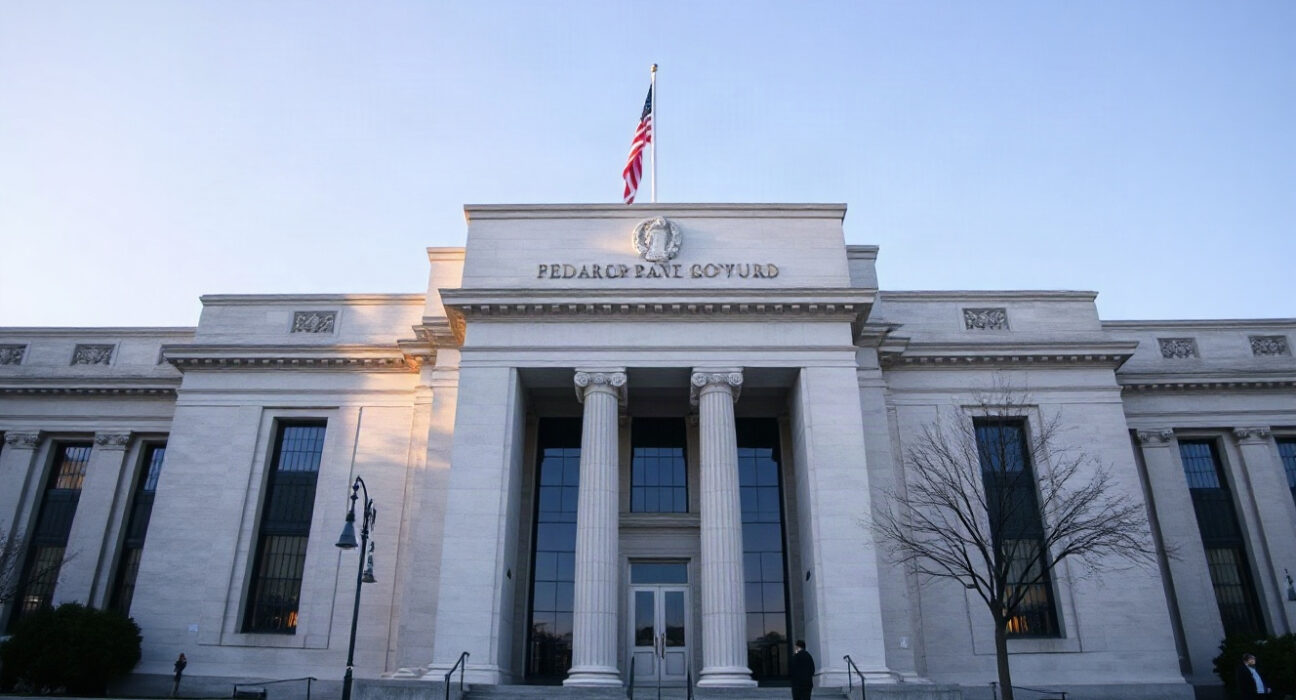
Federal Reserve Governor Kevin Warsh said on Tuesday that artificial intelligence has become a new variable influencing both the U.S. economy and the central bank’s approach to policy implementation. His remarks, delivered during a panel discussion on technology and finance, underscore a growing recognition among policymakers that AI’s rapid adoption could reshape productivity, employment, and the transmission of monetary policy.
AI’s Growing Role in Economic Forecasting
Warsh noted that AI’s ability to process vast datasets and identify patterns is already changing how businesses make decisions, from pricing to supply chain management. For the Fed, this introduces new complexities in forecasting inflation and employment, as traditional economic models may not fully capture AI-driven shifts in labor demand or productivity gains.
He emphasized that the central bank is actively studying these dynamics, but acknowledged the inherent uncertainty. “We are in uncharted territory,” Warsh said, “and that requires humility in our policy approach.”
Implications for Monetary Policy
The integration of AI into financial markets also raises questions about market stability and the speed of information dissemination. Warsh pointed out that algorithmic trading, powered by AI, could amplify market movements, making the Fed’s communication strategies more critical than ever.
He also touched on the potential for AI to boost productivity, which could allow the economy to grow faster without generating inflation. However, he cautioned that these benefits may not be evenly distributed, potentially widening economic disparities.
Why This Matters for the Broader Economy
For businesses and consumers, the Fed’s evolving perspective on AI signals that future policy decisions will increasingly account for technological change. This could influence interest rate paths, regulatory frameworks, and the central bank’s response to AI-related disruptions in labor markets.
Warsh’s comments come as other central banks, including the European Central Bank and the Bank of England, have also begun exploring the macroeconomic implications of AI. The consensus is that AI is not just a sectoral story but a systemic one.
Conclusion
As AI continues to permeate every facet of the economy, the Federal Reserve’s ability to adapt its models and policy tools will be crucial. Warsh’s acknowledgment of AI as a “new variable” marks a significant step in the central bank’s recognition of technological change as a core economic force, with far-reaching implications for monetary policy and financial stability.
FAQs
Q1: How does AI affect the Federal Reserve’s monetary policy decisions?
AI can influence productivity, employment, and market dynamics, which are key inputs for the Fed’s dual mandate of maximum employment and price stability. The Fed is studying these effects to refine its forecasts and policy responses.
Q2: What risks does AI pose to financial stability?
AI-driven algorithmic trading can increase market volatility and speed up transmission of shocks. The Fed is monitoring these risks to ensure the resilience of the financial system.
Q3: Will AI lead to higher or lower interest rates?
There is no clear direction. If AI boosts productivity without causing inflation, it could allow the Fed to keep rates lower. Conversely, if AI-driven demand for computing resources and energy fuels inflation, rates may need to be higher. The outcome depends on how AI’s effects unfold in the real economy.
Disclaimer: The information provided is not trading advice, Bitcoinworld.co.in holds no liability for any investments made based on the information provided on this page. We strongly recommend independent research and/or consultation with a qualified professional before making any investment decisions.
