

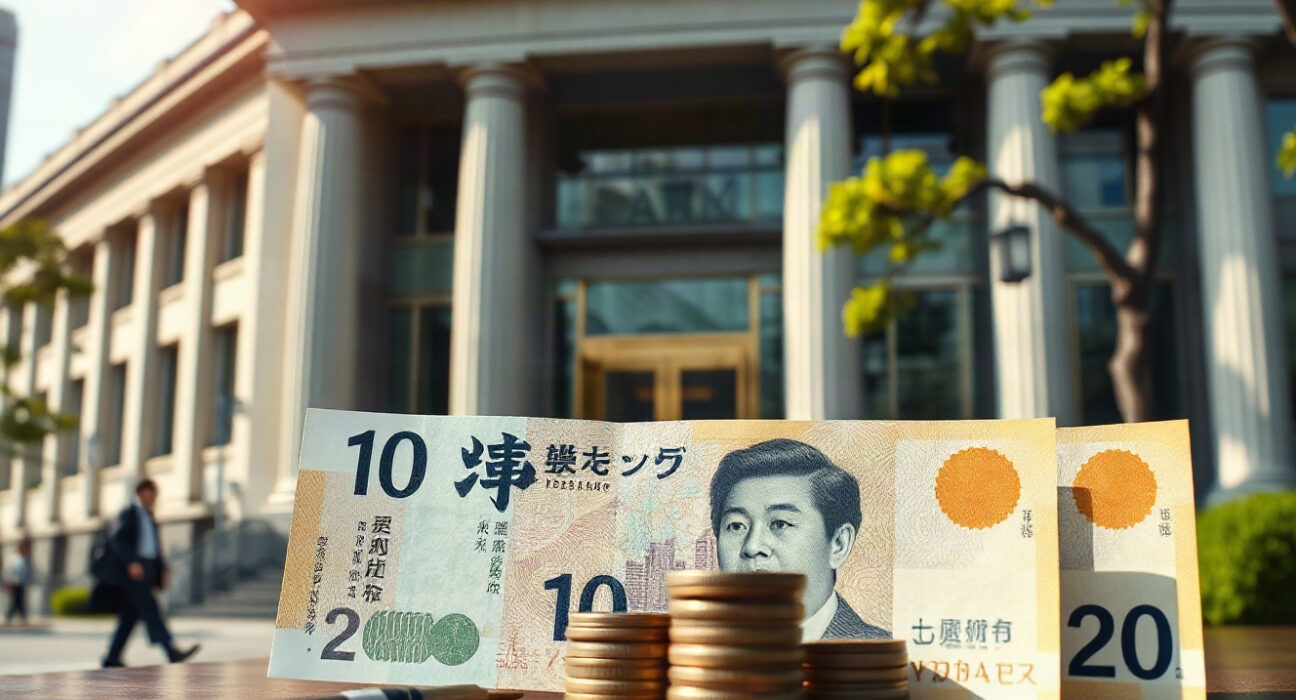
Tokyo’s core consumer inflation reached 2% in January, meeting the Bank of Japan’s target for the first time in years, yet the Japanese yen continues to trade near multi-decade lows against the dollar, highlighting the complex dynamics that keep the currency weak despite rising prices.
Why Tokyo’s Inflation Data Matters
Tokyo’s consumer price index (CPI), excluding fresh food, rose 2.0% year-on-year in January, according to government data released on Friday. This marks the highest reading since the 1980s, driven by higher energy costs and a broad increase in goods prices. The data is closely watched as a leading indicator for nationwide inflation trends.
However, the Bank of Japan (BOJ) has repeatedly signaled that it will maintain its ultra-loose monetary policy, arguing that the current inflation is largely cost-push rather than driven by strong domestic demand. Governor Haruhiko Kuroda has emphasized the need to see sustained wage growth before considering any policy normalization.
The Yen’s Persistent Weakness
Despite the inflation data, the yen remained under pressure, trading around 115.5 per dollar, not far from its lowest level in five years. The currency’s weakness is primarily attributed to the widening interest rate differential between Japan and other major economies, particularly the United States, where the Federal Reserve is expected to raise rates aggressively this year.
Investors see little reason to hold yen when yields in the U.S. and Europe offer higher returns. This dynamic has kept the yen on a downward trajectory, even as Japanese inflation picks up. Analysts suggest that unless the BOJ signals a concrete shift in policy, the yen’s decline may continue.
What This Means for the Japanese Economy
A weaker yen boosts exports and corporate profits, but it also raises the cost of imports, squeezing households and small businesses. The government has expressed concern about the negative effects of rapid currency moves, but has stopped short of intervention. For now, the BOJ remains the outlier among major central banks, and the yen’s fate seems tied to global monetary policy trends.
Conclusion
Tokyo’s inflation reaching 2% is a milestone, but it is not enough to change the yen’s fortunes. The BOJ’s commitment to ultra-loose policy, combined with a hawkish Federal Reserve, suggests the yen may remain weak in the near term. Investors and policymakers will watch for any hints of policy shift, but as of now, the currency’s trajectory is set by global forces beyond Japan’s control.
FAQs
Q1: Why is the yen weak even though inflation is rising?
The yen’s weakness is mainly due to the interest rate gap between Japan and other economies. The BOJ keeps rates near zero, while the Fed and other central banks are hiking, making the yen less attractive for investors.
Q2: Will the BOJ change its policy in response to inflation?
Most analysts expect the BOJ to maintain its ultra-loose policy for now, as it believes the current inflation is temporary and not driven by strong domestic demand. A policy change would likely require sustained wage growth.
Q3: How does a weak yen affect Japanese consumers?
A weak yen increases the cost of imported goods, including energy and food, which can hurt household purchasing power. It also benefits exporters by making their products cheaper abroad.
Disclaimer: The information provided is not trading advice, Bitcoinworld.co.in holds no liability for any investments made based on the information provided on this page. We strongly recommend independent research and/or consultation with a qualified professional before making any investment decisions.
