

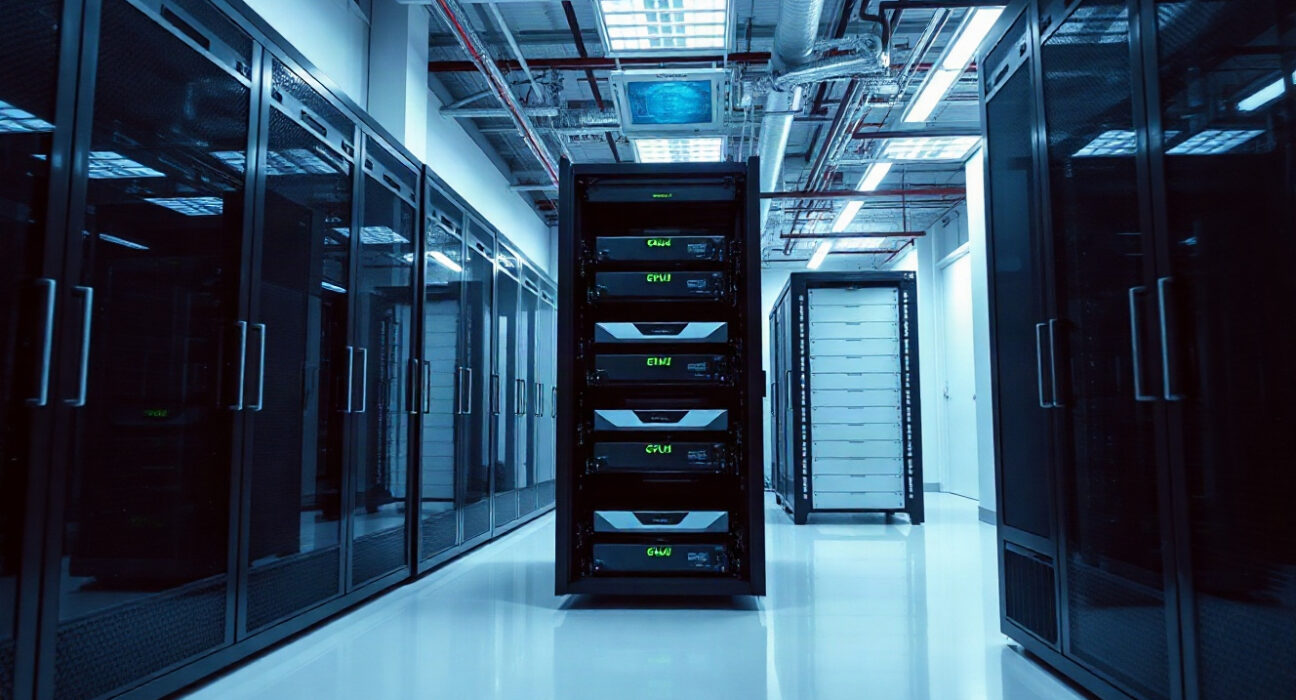
AI cloud provider Lambda has raised $1 billion in private, short-dated debt to purchase Nvidia AI chips that it will lease to Microsoft, according to a Bloomberg report on August 28, 2026. The deal, arranged by JP Morgan Chase, underscores the aggressive capital deployment strategies neocloud companies are using to meet surging demand for GPU compute.
Deal structure and strategic rationale
The terms of the debt financing signal that Lambda expects to deploy the chips and generate revenue quickly, allowing it to repay the loan with incoming cash flows. This is the latest in a series of debt-backed GPU infrastructure deals for the company. In May 2026, Lambda closed a $1 billion secured credit facility, and this week it announced a $926 million loan specifically to fund Nvidia GB300 GPUs for a deployment under contract with Nvidia itself.
This pattern of using short-term debt to finance long-term assets is becoming common among AI infrastructure providers, as they race to secure scarce chips and lock in customer contracts. The Microsoft deal suggests strong enterprise demand for Lambda’s cloud services, though the company has not publicly disclosed the contract’s duration or value.
Broader AI debt boom
Lambda is not alone in relying on debt to fund the AI boom. According to data compiled by Bloomberg, banks and tech companies have raised over $400 billion in AI-related debt globally in 2026 so far. This reflects a broader trend where companies are leveraging balance sheets to build out data centers and GPU capacity ahead of confirmed revenue, betting on sustained demand from cloud providers and enterprises.
The scale of debt financing has drawn attention from analysts who question the long-term sustainability of such strategies, especially if AI compute demand softens or if chip delivery timelines slip. However, for now, the market is rewarding companies that can secure supply and sign large customers.
What this means for the neocloud market
Lambda’s aggressive expansion highlights the intensifying competition among neocloud providers—companies that offer cloud services built on rented or owned GPU clusters. By securing dedicated financing for specific customer deployments, Lambda is reducing the risk of idle capacity while ensuring it can meet contractual obligations. This model, if successful, could become a template for other AI infrastructure startups.
For Microsoft, the deal secures access to Nvidia chips without the capital expenditure of building its own data centers, allowing the tech giant to scale its AI offerings flexibly. The arrangement also reflects the growing interdependence between cloud providers and specialized AI hardware suppliers.
Conclusion
Lambda’s $1 billion debt raise is a significant indicator of the financial engineering driving the AI infrastructure boom. By leveraging debt to fund chip purchases for a major customer like Microsoft, Lambda is positioning itself for rapid growth while taking on financial risk. As the AI sector continues to expand, such deals are likely to become more common, but they also raise questions about the sustainability of the current investment cycle.
FAQs
Q1: What is Lambda?
Lambda is an AI cloud company that purchases computing chips, primarily Nvidia GPUs, and rents them out to businesses for AI workloads. It is a key player in the neocloud segment.
Q2: How does the debt deal work?
Lambda borrowed $1 billion in private, short-dated debt, arranged by JP Morgan Chase, to buy Nvidia chips. The chips will be leased to Microsoft, and Lambda expects to repay the debt using the revenue generated from this lease.
Q3: Why is this significant?
This deal highlights the growing trend of using debt to finance AI infrastructure, with over $400 billion in AI-related debt raised globally in 2026. It also shows how companies like Lambda are leveraging customer contracts to secure financing for expensive hardware.
Disclaimer: The information provided is not trading advice, Bitcoinworld.co.in holds no liability for any investments made based on the information provided on this page. We strongly recommend independent research and/or consultation with a qualified professional before making any investment decisions.
