

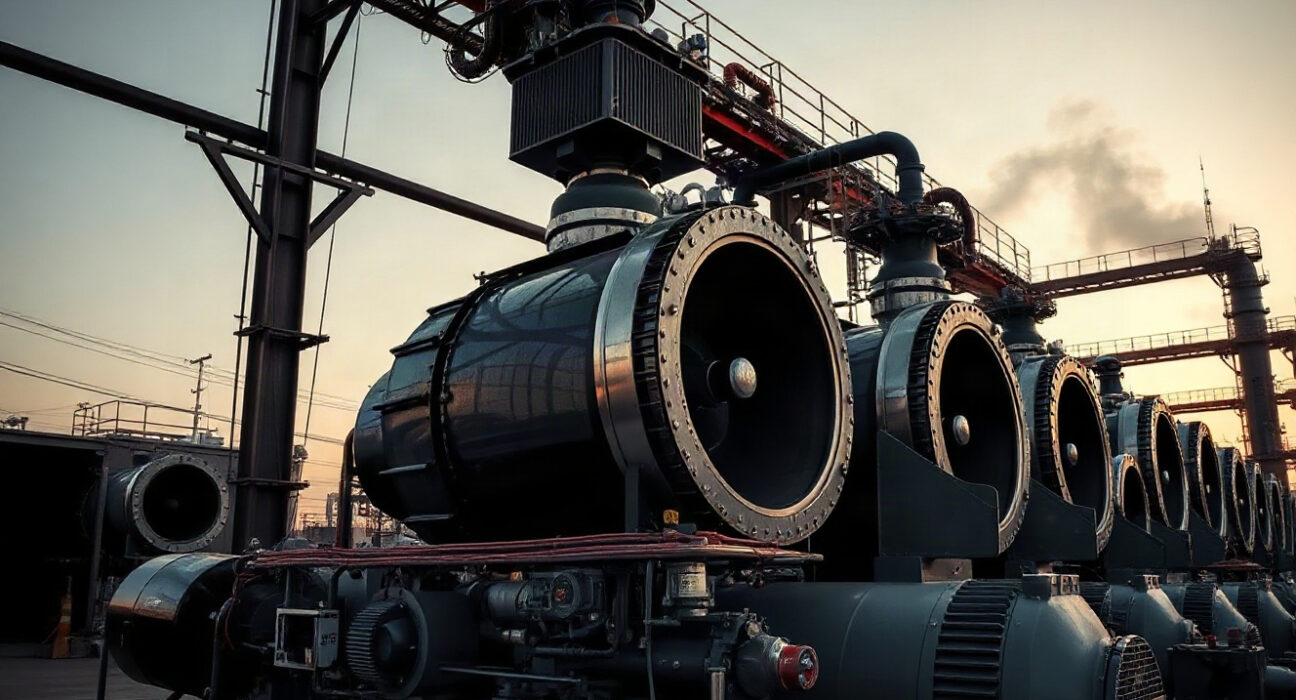
Elon Musk has confirmed that SpaceX is building a foundry in Bastrop, Texas, to cast gas turbine blades in-house, a move that could accelerate the deployment of natural gas power plants for AI data centers by up to 18 months—but also raises significant environmental and health concerns.
Why SpaceX is Casting Its Own Turbine Blades
The announcement, made on X on Saturday, comes as the AI industry faces a dual bottleneck: GPU shortages and, increasingly, the physical limits of the power grid. The International Energy Agency projects global data center electricity use will roughly double by 2030, and gas turbine maker GE Vernova says it is sold out of production capacity through 2030, largely due to AI infrastructure demand. This shortage has driven hyperscalers like Amazon, Google, Meta, OpenAI, and Microsoft to build private gas-fired plants next to data centers instead of waiting for grid expansion.
The specific bottleneck Musk aims to solve is the casting of turbine blades and vanes, which operate in the hottest section of a gas turbine at temperatures around 3,000 to 3,600 degrees Fahrenheit—about 800 degrees hotter than the melting point of the metal alloy they’re made from. The blades are cast as single, unbroken crystals in a vacuum furnace, a process that only four companies worldwide have mastered at industrial scale. By doing this in-house, Musk claims SpaceX can bring natural gas turbines online up to 18 months sooner, calling it a “profound game-changer.”
Pollution Concerns Already Follow the Turbines
But faster turbine deployment also means more pollution, and communities are already pushing back. In Memphis, where SpaceXAI has run gas turbines to power its Colossus data centers since 2024, the NAACP has repeatedly accused the company of operating without required permits and pollution controls. The turbines emit smog-forming compounds and hazardous chemicals like formaldehyde, which are linked to asthma, respiratory disease, and certain cancers. University of Memphis researchers found that air pollution in the area grew “slightly worse” because of the data center.
Similar fights are playing out elsewhere. In Virginia’s “Data Center Alley,” a study commissioned by the Piedmont Environmental Council, using the EPA’s COBRA health-impact model, found that emissions from a single facility’s eight full-time gas turbines could reach more than 2.5 million people across multiple counties, with the heaviest impact on already-marginalized communities. The study estimated 3.4 to 6.5 additional premature deaths per year, translating to $53 million to $99 million in annual health-related damages.
What This Means for AI Infrastructure and Communities
If SpaceX succeeds, it would give a Musk-controlled entity a manufacturing capability that every other AI infrastructure builder currently depends on a tiny oligopoly for, providing a competitive edge that is difficult to copy quickly. However, it also means more gas turbines coming online faster, exacerbating local air quality issues in communities that often bear the brunt of industrial pollution. The tension between the AI industry’s insatiable power demand and the environmental health of nearby residents is likely to intensify as the buildout accelerates.
Conclusion
SpaceX’s foray into turbine blade casting could indeed break a critical supply chain logjam, enabling faster data center power solutions. But the environmental and health trade-offs are real and already being litigated. As the industry races to meet AI’s energy needs, the question remains whether the benefits of accelerated turbine deployment can be balanced against the well-documented costs to air quality and public health.
FAQs
Q1: Why is gas turbine blade casting so difficult?
The blades must be cast as a single, unbroken crystal in a vacuum furnace, without microscopic seams that could cause cracking under stress. The process is complex and requires precise temperature control, making it difficult to scale, especially for larger power-plant turbine blades.
Q2: What are the main pollutants from gas turbines?
Gas turbines emit nitrogen oxides (smog-forming compounds), carbon monoxide, and hazardous air pollutants like formaldehyde. These are linked to respiratory issues, asthma, and certain cancers, particularly affecting nearby communities.
Q3: How does this affect AI data center development?
By casting blades in-house, SpaceX aims to reduce the lead time for gas turbines, which are currently sold out through 2030. This could help data centers get online faster, but it also means more gas turbines will be deployed, potentially increasing local pollution in areas where data centers are built.
Disclaimer: The information provided is not trading advice, Bitcoinworld.co.in holds no liability for any investments made based on the information provided on this page. We strongly recommend independent research and/or consultation with a qualified professional before making any investment decisions.
