

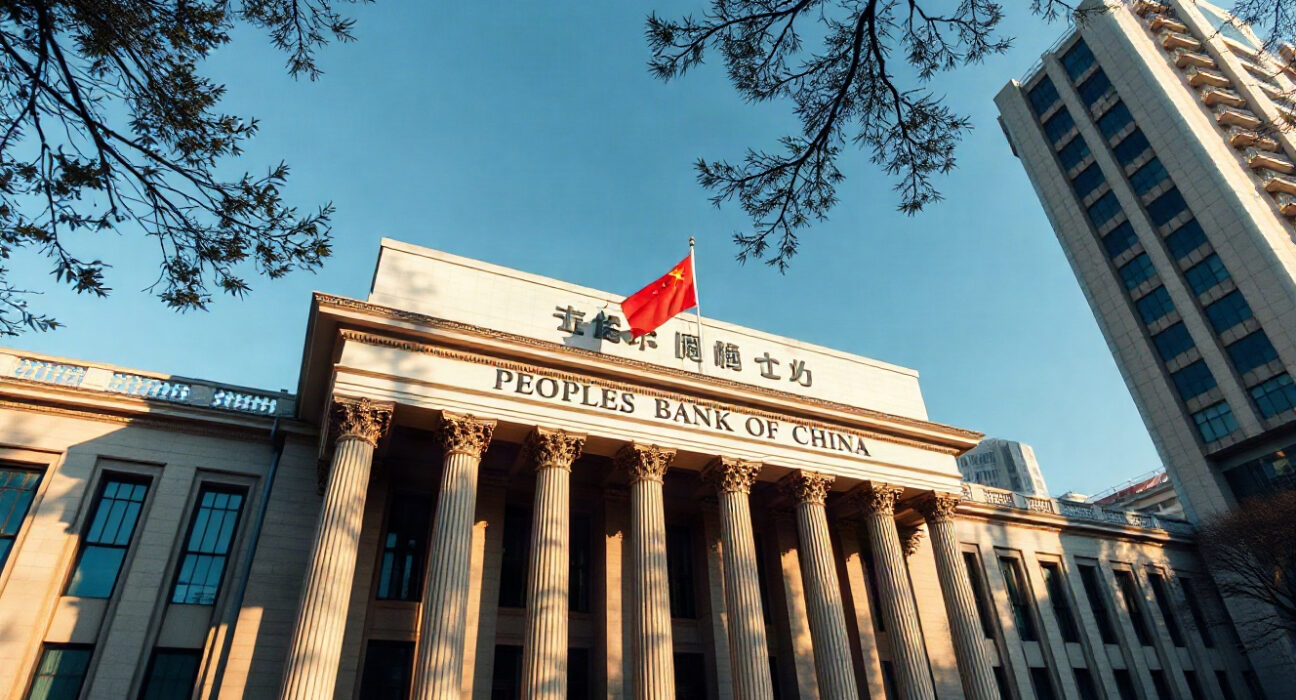
The People’s Bank of China (PBOC) set the USD/CNY central parity rate at 6.7809 on [date], slightly weaker than the previous fix of 6.7828, signaling a modest adjustment in the yuan’s official guidance.
What the Reference Rate Means
The central parity rate, also known as the fixing, is the daily midpoint that the PBOC sets for the yuan against the U.S. dollar. It serves as a key signal of Beijing’s currency policy stance and influences the onshore yuan’s trading band, which allows the currency to move up to 2% above or below the fixing.
The latest fixing, a change of 0.03%, reflects the PBOC’s response to global market dynamics and domestic economic conditions. While the adjustment is small, it is closely watched by traders and analysts for hints about the central bank’s tolerance for yuan depreciation or appreciation.
Context and Implications
The move comes amid ongoing trade tensions between the U.S. and China, which have historically influenced the yuan’s value. A weaker fixing can be interpreted as a tool to support Chinese exports by making them cheaper abroad, while a stronger fixing often signals confidence in the economy.
Analysts note that the PBOC’s daily fixes are part of a managed float system, where the central bank guides the currency without fully abandoning market forces. The latest change aligns with recent movements in the offshore yuan and broader dollar strength.
What This Means for Markets
For investors and businesses, the fixing provides a benchmark for pricing transactions and managing currency risk. A stable or predictable fixing can reduce uncertainty, while larger deviations may trigger market speculation.
The slight weakening suggests the PBOC is comfortable with a marginally softer yuan, potentially to cushion the impact of tariffs or to maintain export competitiveness. However, the change is minimal, indicating no major policy shift.
Conclusion
The PBOC’s latest reference rate adjustment is a routine but closely monitored event in global currency markets. It reflects a careful balancing act between supporting economic growth and maintaining financial stability. As trade conditions evolve, further adjustments are likely, but the modest change signals continuity in China’s exchange rate policy.
FAQs
Q1: What is the PBOC central parity rate?
The central parity rate is the daily midpoint set by the People’s Bank of China for the yuan against the U.S. dollar. It serves as a reference for the onshore yuan’s trading range.
Q2: Why does the fixing matter?
The fixing influences the yuan’s daily trading band and is a key indicator of the PBOC’s currency policy. It affects trade competitiveness, capital flows, and investor sentiment.
Q3: How often is the reference rate updated?
The PBOC sets the reference rate each trading day, typically before the onshore market opens. It is based on a basket of currencies and market conditions.
Disclaimer: The information provided is not trading advice, Bitcoinworld.co.in holds no liability for any investments made based on the information provided on this page. We strongly recommend independent research and/or consultation with a qualified professional before making any investment decisions.
