

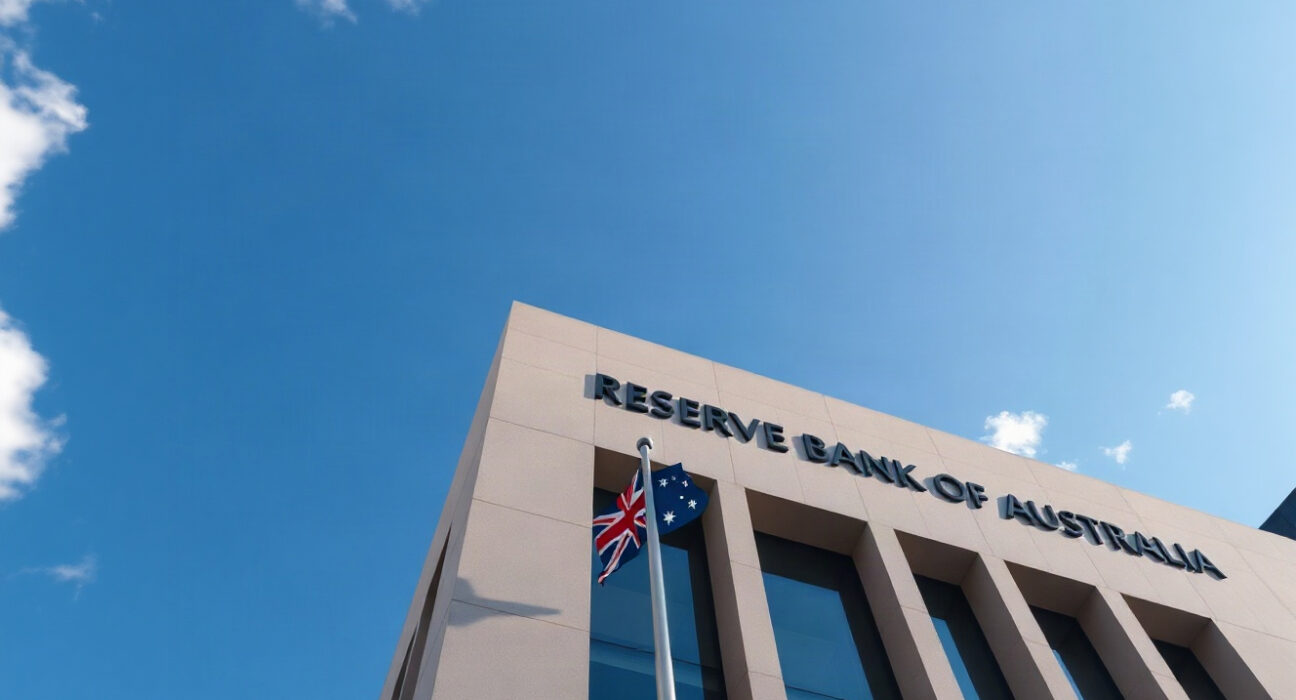
The Reserve Bank of Australia’s Commodity Price Index, measured in Special Drawing Rights (SDR) terms, rose to 15.5% year-on-year in August, up slightly from a revised 15.4% in July, according to the latest official data. This marginal increase indicates that Australia’s export commodity prices remain elevated compared to the same period last year, even as global economic conditions show signs of cooling.
What Is the RBA Commodity Index (SDR) and Why Does It Matter?
The RBA Commodity Price Index tracks the prices Australia receives for its major commodity exports, including iron ore, coal, natural gas, and agricultural products. When expressed in SDR terms, the index is adjusted for currency fluctuations against a basket of major global currencies, providing a clearer picture of the underlying price trend. This index is a key economic indicator because commodity exports account for a significant share of Australia’s national income and government revenue.
The year-on-year increase of 15.5% as of August means that, on average, the prices of Australia’s key commodity exports are more than 15% higher than they were in August of the previous year. This is largely driven by sustained demand for energy resources and metals, particularly from Asian markets, and constrained global supply chains. While the month-on-month change was minimal (from 15.4% to 15.5%), the steady year-on-year growth signals ongoing strength in the resources sector.
Implications for the Australian Economy and the RBA
For the Australian economy, elevated commodity prices translate into higher export earnings, which can boost corporate profits, government tax receipts, and national income. This, in turn, supports domestic employment and spending. However, the RBA also watches commodity prices closely because they influence inflation and the terms of trade, which affect the Australian dollar and overall economic stability.
From a monetary policy perspective, strong commodity prices can contribute to inflationary pressures, particularly through higher input costs for businesses and increased household income. While the RBA’s primary focus is on domestic inflation and employment, the commodity index provides important context for the bank’s economic forecasts. The current level suggests that the resources sector remains a robust pillar of the economy, even as the RBA navigates a path toward price stability.
What Should Investors and Businesses Take Away?
For investors, the continued strength in commodity prices supports the profitability of Australian resource companies, which are major components of the domestic stock market. For businesses, particularly those reliant on commodities as inputs, the elevated price environment may pose cost challenges. For the broader public, the index indirectly affects everything from fuel prices to the strength of the Australian dollar, which influences the cost of imported goods.
Conclusion
The RBA Commodity Index (SDR) inching up to 15.5% year-on-year in August reflects a resilient export sector, even as the pace of growth stabilizes. While the change from July is negligible, the sustained double-digit growth underscores the ongoing importance of commodity exports to Australia’s economic health. As global markets evolve, this indicator will remain a critical barometer for policymakers, investors, and businesses alike.
FAQs
Q1: What does the RBA Commodity Index measure?
The index measures the average price of Australia’s major commodity exports, including energy, metals, and agricultural products. It is expressed in SDR terms to account for currency movements.
Q2: Why is the year-on-year change important?
The year-on-year change indicates how commodity prices have moved over the past year, providing a clearer trend than monthly fluctuations. A 15.5% increase means prices are significantly higher than a year ago.
Q3: How does this index affect the average Australian?
Higher commodity prices can boost the national economy, potentially supporting jobs and government revenue. However, they can also contribute to inflation, affecting the cost of goods and services, and may influence the RBA’s interest rate decisions.
Disclaimer: The information provided is not trading advice, Bitcoinworld.co.in holds no liability for any investments made based on the information provided on this page. We strongly recommend independent research and/or consultation with a qualified professional before making any investment decisions.
