

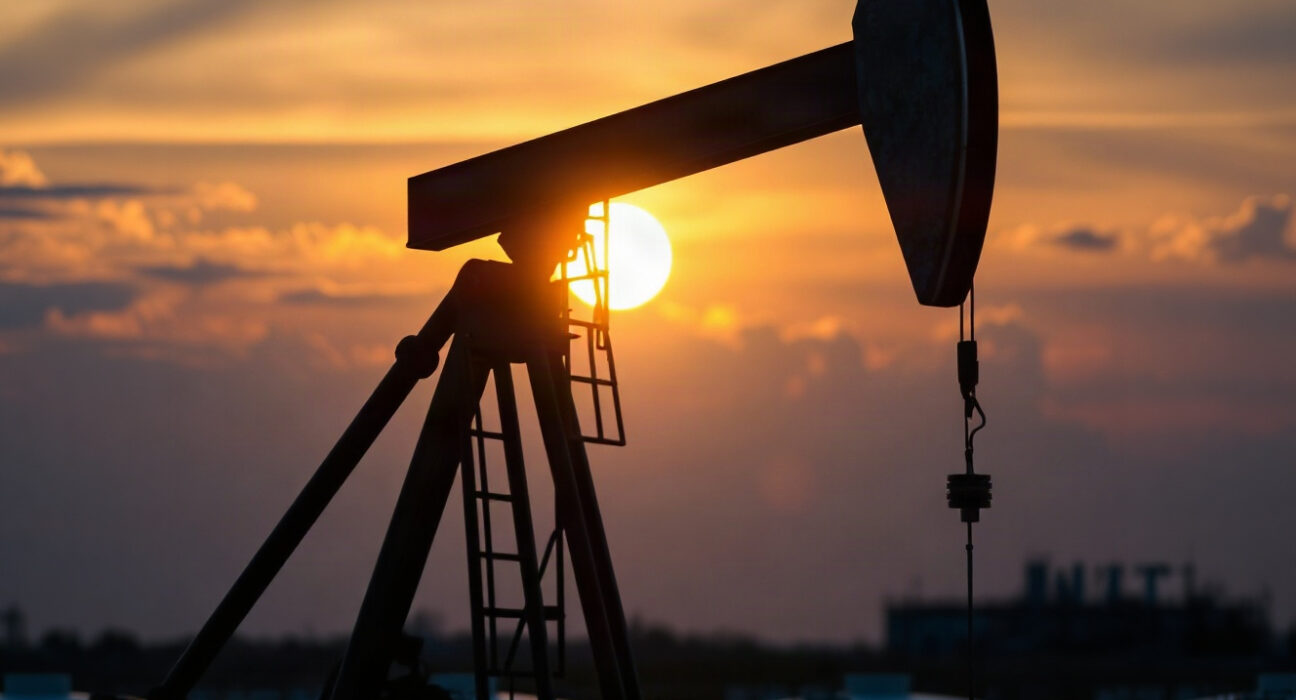
West Texas Intermediate (WTI) crude oil prices are approaching $87 per barrel as of mid-April, driven by escalating tensions between the United States and Iran that threaten supply from the Middle East. The benchmark has climbed steadily over the past week, reflecting market concerns over potential disruptions to global oil flows.
Why are oil prices rising?
The latest price surge is primarily attributed to renewed geopolitical risks in the Middle East. The US and Iran have exchanged harsh rhetoric, with the possibility of military confrontation or stricter sanctions on Iranian oil exports. Investors are pricing in a higher risk premium, as any significant disruption in the Strait of Hormuz—a key transit chokepoint for about 20% of global oil consumption—could tighten supplies.
Additionally, OPEC+ production cuts, which have been in place to support prices, are amplifying the effect of geopolitical uncertainty. With spare capacity limited, the market has little buffer against sudden supply losses.
Market context and recent price action
WTI futures have risen from around $82 earlier this month to near $87, a gain of roughly 6% in two weeks. Brent crude, the international benchmark, has also moved higher, trading above $90. The rally is broad-based, with gasoline and heating oil futures following suit.
Analysts note that the current price levels are the highest since October, when the Israel-Hamas conflict first rattled markets. However, the fundamental supply-demand balance remains relatively well-supplied, and some traders are questioning whether the geopolitical premium is justified.
Impact on consumers and the economy
Higher oil prices translate directly to more expensive fuel at the pump, which can stoke inflation and affect consumer spending. For the US, where gasoline prices are a politically sensitive issue, a sustained rise could have broader economic implications. The Federal Reserve, already cautious about rate cuts, may face additional pressure if energy costs push inflation higher.
What to watch next
Traders are closely monitoring diplomatic efforts between Washington and Tehran. Any sign of de-escalation could quickly unwind the recent gains. Conversely, concrete military action or new sanctions would likely push prices even higher, with some analysts targeting $90 or beyond.
Weekly US inventory data, due Wednesday, will also provide clues on domestic demand. A larger-than-expected drawdown in crude stocks would reinforce the bullish sentiment, while a build could temper the rally.
Conclusion
WTI oil is trading near $87 as geopolitical tensions between the US and Iran heighten supply concerns. While the market is reacting to real risks, the sustainability of these gains depends on diplomatic developments and actual supply disruptions. For now, the oil market remains sensitive to headlines, and volatility is likely to persist.
FAQs
Q1: What is WTI crude oil?
West Texas Intermediate (WTI) is a grade of crude oil used as a benchmark in oil pricing. It is primarily produced in the United States and is known for its relatively low sulfur content, making it easy to refine.
Q2: How do US-Iran tensions affect oil prices?
The US and Iran are both significant players in the global oil market. Tensions can lead to supply disruptions, especially if the Strait of Hormuz is threatened. The market prices in a risk premium for potential supply losses, driving prices higher.
Q3: What is the Strait of Hormuz and why is it important?
The Strait of Hormuz is a narrow waterway between the Persian Gulf and the Gulf of Oman. It is a critical transit route for about 20% of global oil consumption, making it a key chokepoint. Any disruption there could significantly impact global oil supply and prices.
Disclaimer: The information provided is not trading advice, Bitcoinworld.co.in holds no liability for any investments made based on the information provided on this page. We strongly recommend independent research and/or consultation with a qualified professional before making any investment decisions.
