

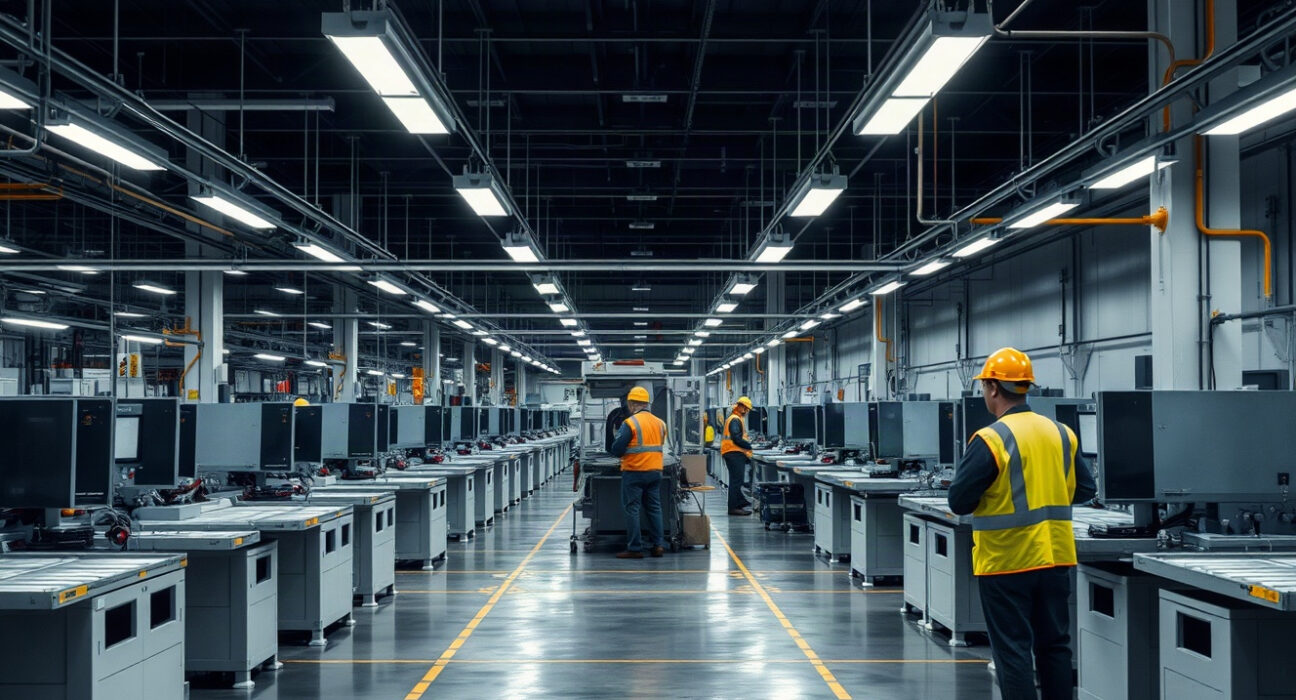
Brazil’s manufacturing sector contracted at a sharper pace in August, as the S&P Global Brazil Manufacturing Purchasing Managers’ Index (PMI) fell to 46.3 from 47.5 in July, signaling a deepening downturn in industrial activity.
What the PMI Reading Means
The PMI is a seasonally adjusted index that measures the health of the manufacturing economy, with readings below 50 indicating contraction. The drop from 47.5 to 46.3 points to a faster rate of deterioration in operating conditions across Brazilian factories.
According to S&P Global, the latest data reflects weaker demand conditions, both domestically and internationally. New orders declined at a steeper pace, leading to reduced production volumes and a further pullback in purchasing activity. Employment levels also continued to fall, as manufacturers adjusted to softer order books.
Context and Economic Implications
The August reading extends a trend of sub-50 PMI readings, suggesting that the manufacturing sector has been in contraction territory for several months. This aligns with broader economic challenges facing Brazil, including high interest rates, elevated inflation, and subdued consumer confidence.
For businesses, the latest PMI signals that cost pressures remain a concern, even as input prices have moderated from earlier peaks. Some firms reported difficulties passing on higher costs to clients, squeezing profit margins. The sustained contraction may also weigh on GDP growth in the third quarter, as manufacturing is a key component of Brazil’s economic output.
What This Means for the Broader Economy
The manufacturing slowdown is not an isolated event. It mirrors trends seen in other emerging markets, where tight monetary policy and global trade headwinds are curbing industrial momentum. For Brazil, the data adds pressure on policymakers to consider stimulus measures, though the central bank remains focused on bringing inflation to target.
Investors and analysts will watch upcoming releases for signs of stabilization, but the current trajectory suggests that the industrial sector may face further headwinds in the near term. The PMI’s components—new orders, production, employment, and supplier delivery times—all point to a broad-based weakening.
Conclusion
The decline in Brazil’s manufacturing PMI to 46.3 in August underscores the ongoing challenges in the industrial sector. With demand softening and output contracting, the near-term outlook remains cautious. Policymakers and businesses alike will need to navigate these conditions carefully, as the data reinforces the need for structural reforms to boost competitiveness and resilience.
FAQs
Q1: What does a PMI below 50 indicate?
A PMI reading below 50 signals a contraction in the manufacturing sector compared to the previous month. The further the reading falls below 50, the faster the rate of decline.
Q2: How does the manufacturing PMI affect the Brazilian economy?
The manufacturing PMI is a leading indicator of economic health. A sustained contraction can lead to reduced industrial output, job losses, and weaker GDP growth, influencing policy decisions.
Q3: What are the main factors behind the August decline?
The decline is attributed to weaker demand, both domestic and external, leading to lower new orders and production. High borrowing costs and inflation continue to weigh on business conditions.
Disclaimer: The information provided is not trading advice, Bitcoinworld.co.in holds no liability for any investments made based on the information provided on this page. We strongly recommend independent research and/or consultation with a qualified professional before making any investment decisions.
