

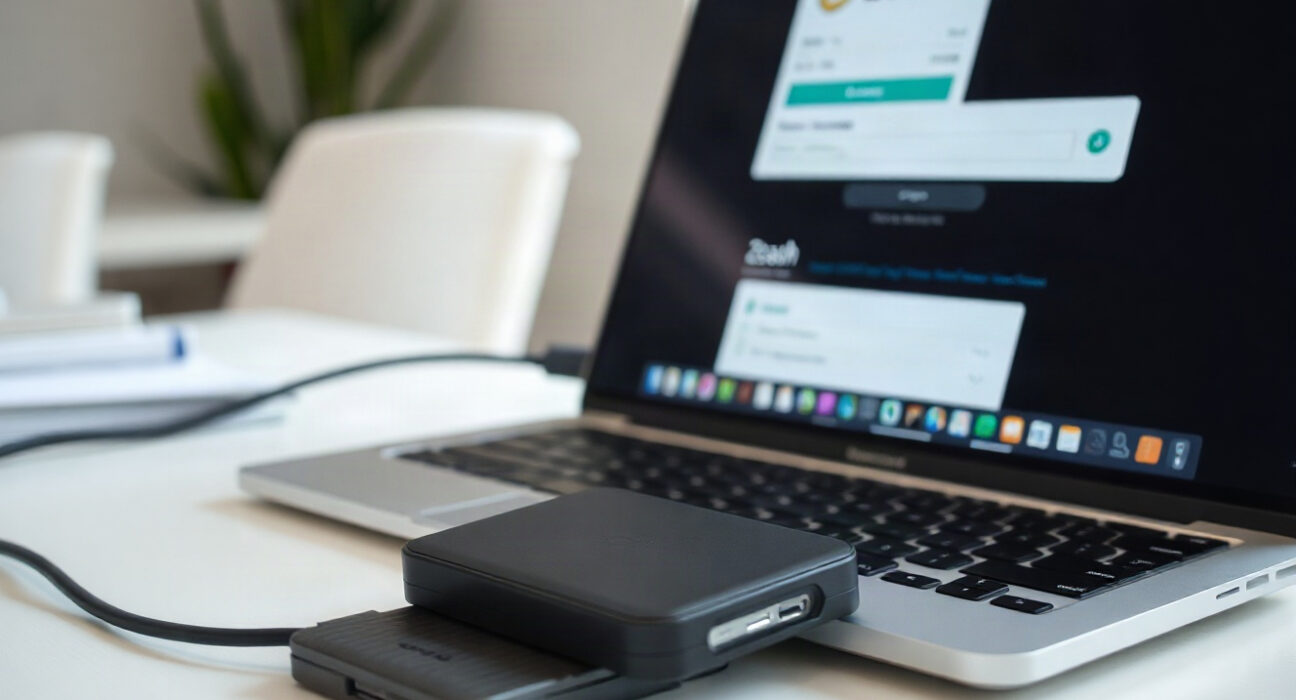
Zcash users can now sign shielded transactions — privacy-preserving transfers that conceal transaction details — using select Ledger hardware wallets, according to a report from Crypto Briefing. The integration, enabled through the third-party wallet Vizor, marks a notable step for Zcash’s privacy features, allowing users to keep their private keys offline on Ledger devices while still engaging in shielded transfers.
How the Integration Works
To use the feature, Zcash holders must install a dedicated application on their Ledger device. Once installed, the device can be connected to an external wallet like Vizor, which handles account management and transaction creation. Ledger is responsible for signing the transaction, ensuring that the private keys never leave the hardware device. This setup provides a secure environment for shielded transactions, which hide both the amounts transferred and the addresses involved.
Currently, the feature is available on select Ledger devices, though the exact models have not been specified in the initial report. Users are advised to check Ledger’s official app store for compatibility with their specific hardware.
Why This Matters for Zcash Users
Zcash has long been a leading privacy-focused cryptocurrency, offering both transparent and shielded transactions. Shielded transactions, which use zk-SNARKs to encrypt transaction data, provide a higher level of privacy but have historically been more complex to execute, especially on hardware wallets. The new integration with Ledger simplifies this process, making it more accessible for everyday users who prioritize privacy.
Hardware wallets are considered a best practice for securing cryptocurrency holdings, as they keep private keys offline and out of reach from potential online threats. By combining this security with Zcash’s shielded transactions, users can now achieve both robust security and privacy in a single workflow.
Implications for the Cryptocurrency Ecosystem
This development could have broader implications for the adoption of privacy-focused cryptocurrencies. As regulatory scrutiny on privacy coins intensifies in some jurisdictions, the ability to use them securely on mainstream hardware wallets may help legitimize their use case. It also signals growing support for privacy features among major hardware wallet providers, which could pave the way for similar integrations with other privacy coins.
However, users should remain aware of the legal and regulatory landscape surrounding privacy coins in their respective countries. While the technology is legal in many places, some exchanges and jurisdictions have restricted or delisted privacy coins due to concerns about illicit use.
Conclusion
The integration of Zcash shielded transactions with Ledger devices via Vizor represents a meaningful advancement in the usability of privacy-focused cryptocurrencies. By enabling offline signing of shielded transactions, users can now enjoy enhanced privacy without compromising on security. As the cryptocurrency space evolves, such integrations are likely to become more common, offering users greater control over their financial privacy.
FAQs
Q1: Which Ledger devices support Zcash shielded transactions?
According to the report, the feature is supported on select Ledger devices. Users should check Ledger’s official app store or contact support to confirm compatibility with their specific model.
Q2: What are shielded transactions in Zcash?
Shielded transactions are privacy-preserving transactions that use zk-SNARKs to encrypt transaction details, including the sender, receiver, and amount. This ensures that the transaction data is not publicly visible on the blockchain.
Q3: Is it safe to use Ledger with Vizor for Zcash transactions?
Yes, using a hardware wallet like Ledger is considered a secure method for managing cryptocurrencies. The private keys remain offline, and the device signs transactions without exposing the keys to the connected computer or wallet software.
Disclaimer: The information provided is not trading advice, Bitcoinworld.co.in holds no liability for any investments made based on the information provided on this page. We strongly recommend independent research and/or consultation with a qualified professional before making any investment decisions.
