

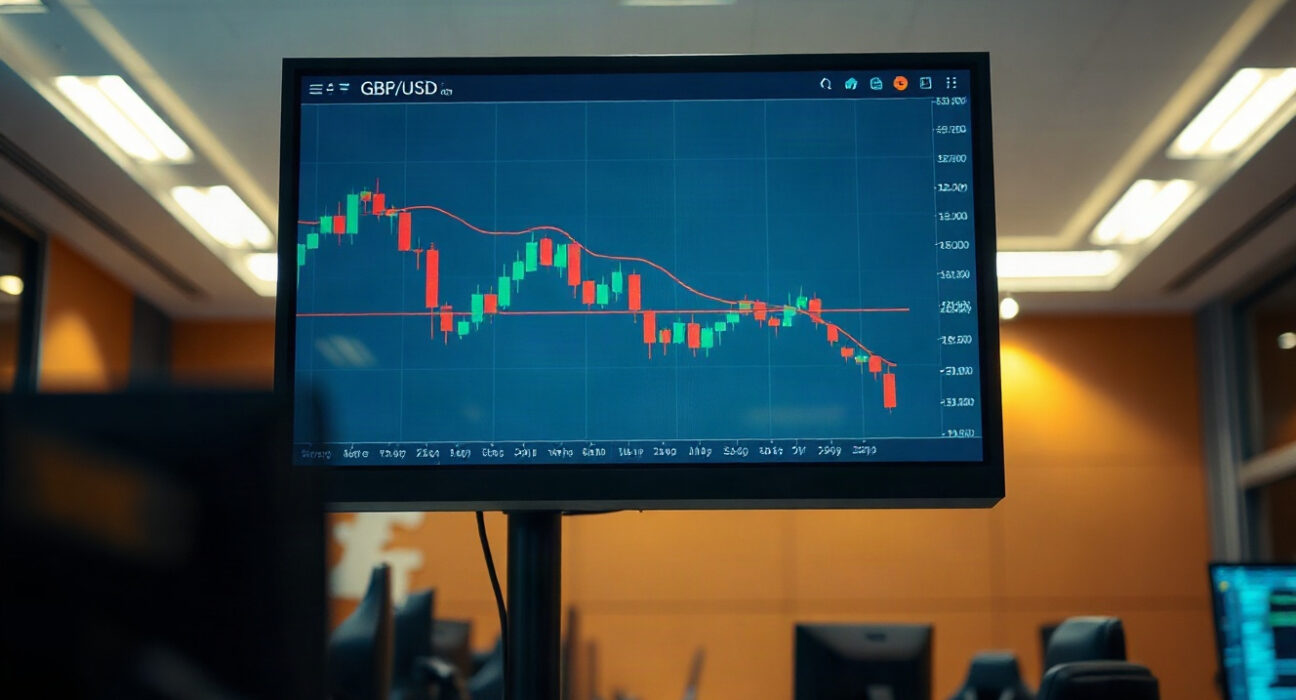
The British Pound declined toward the 1.3500 level against the US Dollar on [date], as escalating US-Iran tensions drove investors toward the safe-haven US currency. The move reflects heightened geopolitical risk and its impact on currency markets, with the dollar gaining strength amid uncertainty.
Why is the British Pound falling?
The primary driver is the rise in US-Iran tensions, which has increased demand for the US dollar as a safe-haven asset. When geopolitical risks spike, investors often flock to the dollar, putting pressure on currencies like the pound. As of [date], GBP/USD was trading near 1.3500, down from recent levels, as market sentiment shifted risk-averse.
The conflict has also raised concerns about global energy prices and economic stability, which can weigh on the UK economy due to its reliance on imports. The pound’s decline is part of a broader trend where risk-sensitive currencies lose ground during periods of geopolitical instability.
What does this mean for traders and the UK economy?
For forex traders, the GBP/USD pair is closely watched as a barometer of risk sentiment. A move toward 1.3500 signals a significant shift, and traders are now eyeing key support levels that could determine the next direction. The pair’s movement also affects UK import prices, potentially feeding into inflation, which the Bank of England is monitoring closely.
For the UK economy, a weaker pound can make exports more competitive but increases the cost of imports, potentially impacting consumers. The Bank of England’s monetary policy stance, including interest rate decisions, will be crucial in determining the pound’s medium-term trajectory.
Market reaction and expert insights
Market analysts note that the pound’s decline is largely driven by external factors rather than domestic UK data. According to currency strategists, the US-Iran situation is likely to remain a key driver until there is a clear de-escalation. Some analysts suggest that if tensions continue to rise, GBP/USD could test lower levels, while a resolution could lead to a rebound.
Conclusion
In summary, the British Pound’s decline to near 1.3500 is a direct response to heightened US-Iran tensions, which have strengthened the US dollar as a safe haven. Traders and investors should monitor geopolitical developments closely, as they are likely to dictate the pair’s short-term direction. The UK economy faces potential knock-on effects through trade and inflation, but the situation remains fluid and subject to change.
FAQs
Q1: What is the current GBP/USD exchange rate?
As of [date], GBP/USD is trading near 1.3500, reflecting a decline from earlier levels due to US-Iran tensions.
Q2: How do US-Iran tensions affect the British Pound?
Rising tensions increase demand for the US dollar as a safe-haven asset, which typically leads to a weaker British Pound as investors move away from riskier currencies.
Q3: What should traders watch next?
Traders should monitor geopolitical headlines, US economic data, and any comments from the Bank of England regarding monetary policy, as these could influence GBP/USD movement.
Disclaimer: The information provided is not trading advice, Bitcoinworld.co.in holds no liability for any investments made based on the information provided on this page. We strongly recommend independent research and/or consultation with a qualified professional before making any investment decisions.
