

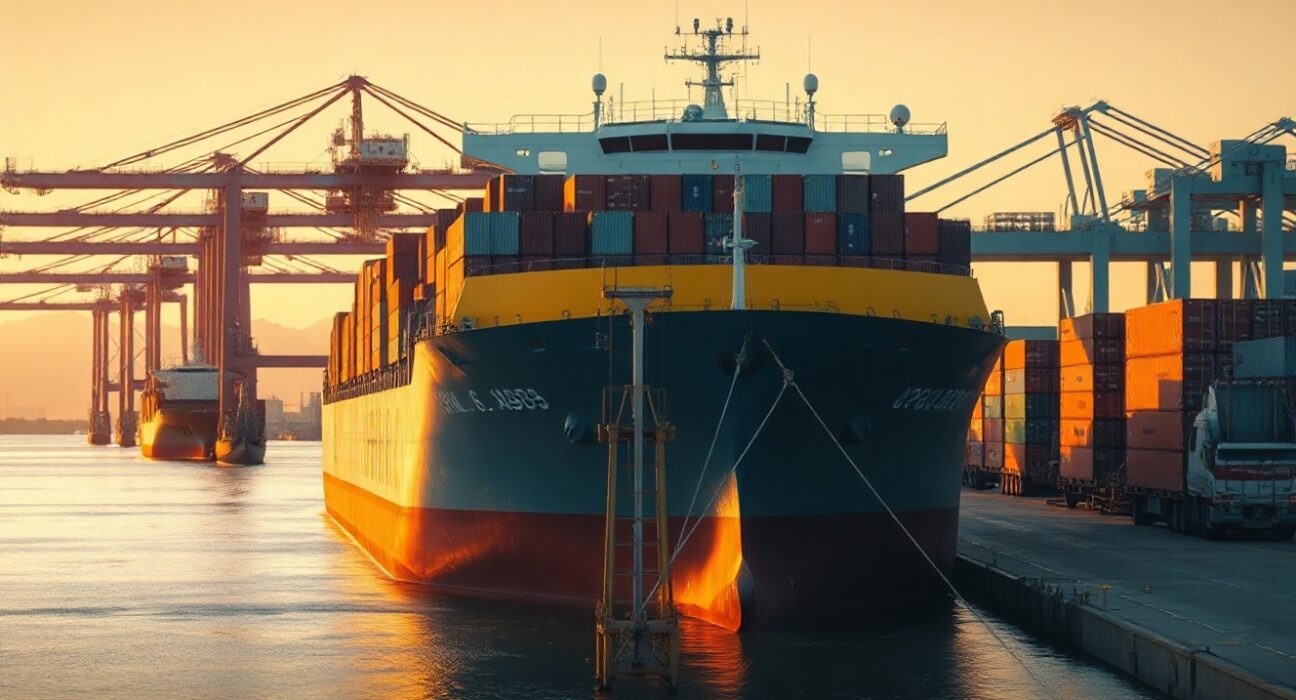
ADI Chain, a blockchain platform, and Shipfinex, a Dubai-based maritime asset tokenization firm, have announced plans to bring the global ship finance market, estimated at roughly $680 billion, onto blockchain infrastructure. The initiative, first reported by CoinDesk, aims to open up a traditionally closed and relationship-driven financing sector to broader institutional participation.
Understanding the Ship Finance Market
Commercial vessels worldwide are valued at approximately $2 trillion, yet financing for ship purchases and construction has historically been concentrated among a small circle of shipowners, banks, and specialized lenders. This market structure relies heavily on existing transaction relationships, which has limited access for smaller shipping companies and new investors. The market spans bank loans, leasing, and export credit, all of which are now being eyed for tokenization.
Tokenization involves converting rights to an asset into a digital token on a blockchain, which can then be traded or used as collateral. In this case, the goal is to digitize debt instruments or equity stakes in ship finance deals, making them more accessible to institutional investors who previously lacked entry points.
The Role of ADI Chain and Shipfinex
ADI Chain provides the blockchain infrastructure needed to issue and manage these tokens securely. Shipfinex brings domain expertise in maritime asset tokenization, having already worked on projects that fractionalize vessel ownership. Together, they plan to create a more liquid and transparent market for ship finance, potentially reducing reliance on traditional intermediaries.
The partnership comes as blockchain adoption in real-world assets (RWA) gains momentum across industries, from real estate to commodities. By applying this model to shipping, the companies hope to attract institutional investors seeking diversified, yield-generating assets backed by tangible value.
Why This Matters
For the shipping industry, tokenization could lower barriers to entry for mid-sized operators and introduce new capital sources. For investors, it offers a way to gain exposure to a global asset class that has been difficult to access. However, regulatory clarity and market acceptance remain significant hurdles. The success of this initiative could set a precedent for other asset-heavy industries considering similar moves.
Challenges and Outlook
While the potential is significant, tokenizing ship finance is not without obstacles. Legal frameworks for digital assets vary by jurisdiction, and the maritime industry is notoriously conservative. Additionally, the complexity of underlying loans and leases requires careful structuring to ensure token holders have clear rights and claims.
Both ADI Chain and Shipfinex have not yet provided a timeline for launch, but their collaboration signals growing confidence in blockchain’s ability to transform traditional finance. As the market evolves, observers will watch for regulatory approvals and pilot projects that could validate the model.
Conclusion
The move by ADI Chain and Shipfinex to tokenize the $680 billion ship finance market represents a bold step toward modernizing a centuries-old industry. By leveraging blockchain, they aim to enhance liquidity, transparency, and accessibility, potentially reshaping how ships are financed globally. While challenges remain, the initiative underscores the expanding role of digital assets in mainstream finance.
FAQs
Q1: What is ship finance tokenization?
Ship finance tokenization involves converting rights to ship loans, leases, or equity into digital tokens on a blockchain, allowing for easier trading and broader investor participation.
Q2: Why is the ship finance market considered closed?
The market has traditionally relied on established relationships between shipowners, banks, and specialized lenders, making it difficult for new entrants and smaller companies to secure financing.
Q3: What are the potential benefits of tokenizing ship finance?
Tokenization could increase liquidity, reduce intermediaries, lower entry barriers for investors, and provide shipping companies with access to a wider pool of capital.
Disclaimer: The information provided is not trading advice, Bitcoinworld.co.in holds no liability for any investments made based on the information provided on this page. We strongly recommend independent research and/or consultation with a qualified professional before making any investment decisions.
