
For most of its existence, people have defined Bitcoin by its price. New highs, sharp crashes, and endless debates about whether each cycle was somehow different shaped the public conversation. The approval and normalization of spot Bitcoin ETFs quietly changed that dynamic. By late 2025, Bitcoin no longer needs defending as a legitimate asset. It is well-suited for brokerage accounts, retirement portfolios, and institutional balance sheets. Volatility has softened compared to earlier eras, and with that, maturity comes a more interesting question. If Bitcoin is no longer fighting for legitimacy, what is it actually competing with?
Heading into 2026, the answer is not Ethereum, Solana, or any other chain that happens to be the fastest this year. Bitcoin’s real competition now appears to be much closer to SWIFT, RTGS (real-time gross settlement) systems, and the global infrastructure that facilitates money transfers between banks.
The ETF Era Reshapes Bitcoin View
Spot ETFs did more than bring in new buyers. They reframed Bitcoin’s role entirely. Institutions do not allocate capital because something is exciting or culturally relevant. They do it because an asset solves a structural problem or helps manage risk. Once familiar financial instruments made Bitcoin accessible, investors stopped treating it like a speculative startup and began evaluating it as a form of infrastructure.
That shift matters because people use different standards to judge infrastructure. It is not about flashy features or marginal speed gains. It is about reliability, neutrality, and the finality of settlements. These are the same qualities banks, clearinghouses, and governments care about when they move billions of dollars across borders.
Bitcoin vs Traditional Settlement Systems
To understand why people now compare Bitcoin to settlement rails, it is helpful to examine how these systems operate. SWIFT is not money, and it does not move value itself. It is a messaging network that instructs banks on how to move funds through a web of correspondent relationships. The actual settlement happens across multiple layers, including local clearing systems and central bank ledgers.
RTGS systems improve this process domestically by offering real-time gross settlement, but they operate within tightly controlled jurisdictions. They work well inside borders and poorly across them. Both systems depend heavily on institutional trust, synchronized operating hours, intermediaries, and political alignment.
Those dependencies are also their weakness. Cross-border settlement can take days. Fees accumulate at every step. Smaller institutions and emerging markets are often at a disadvantage. Access is permissioned and conditional, shaped by regulation, licensing, and geopolitics. That structure works until it doesn’t. Bitcoin does not replace these systems outright, but it introduces something fundamentally different.
Why Institutions Are Turning to XRP for Payments
XRP is designed as a bridge asset for institutional payments, focusing on speed, liquidity efficiency, and compliance-friendly integration. Banks experimenting with blockchain-based settlement often explore XRP because it fits neatly into existing operational models. It aims to make today’s payment rails faster and cheaper without challenging who controls them. That positioning makes sense, but it also highlights the difference. XRP competes directly with parts of the current payments stack. Bitcoin does not.
Bitcoin’s Quiet Role as a Global Settlement Layer
Bitcoin’s value proposition has never been speed or programmability. It is neutrality. Bitcoin doesn’t care who you are, where you live, or which institutions you trust. Settlement happens according to transparent rules enforced by the network itself. Once the network finalizes a transaction, no policy changes, political pressure, or institutional discretion can reverse it.
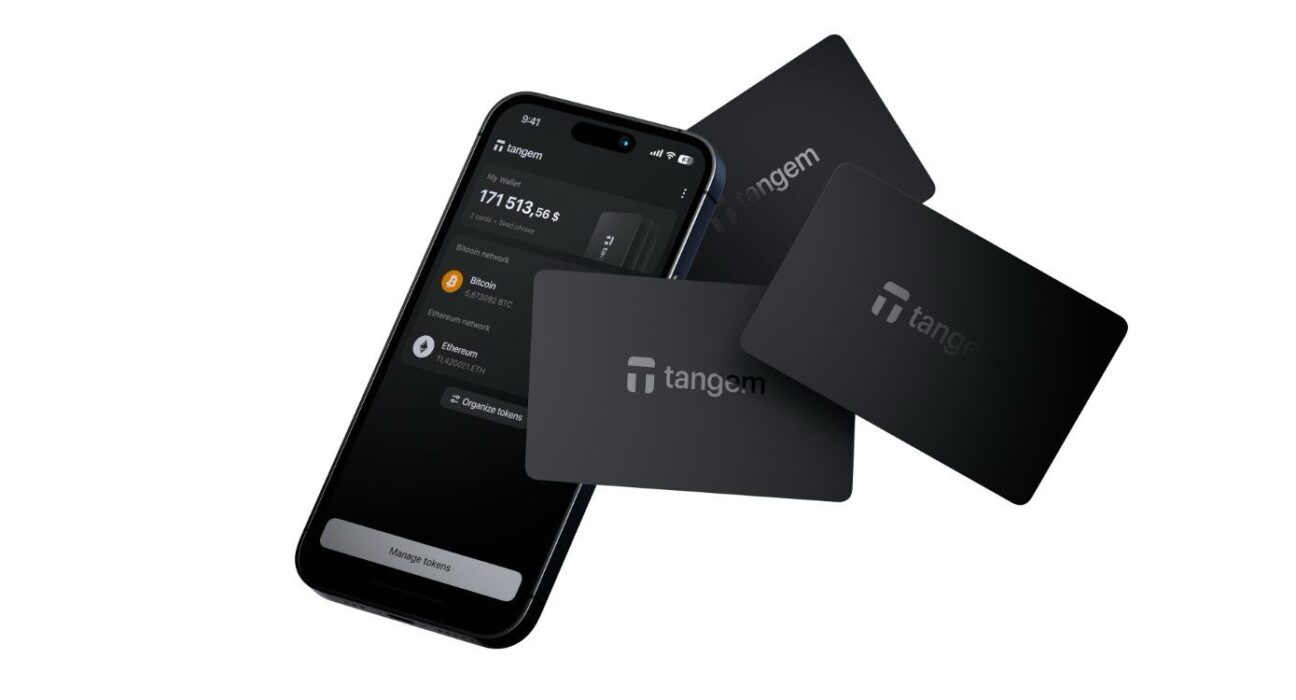
This makes Bitcoin uniquely suited for high-value settlement between parties that do not fully trust one another. In a world that is becoming more financially and politically fragmented, that property is no longer theoretical. It is practical. As more capital moves through Bitcoin, self-custody becomes an essential part of this discussion. Hardware wallets, such as the Tangem wallet, enable individuals and institutions to securely store and manage Bitcoin without relying on centralized platforms. That aligns closely with Bitcoin’s emerging role as a neutral settlement asset rather than a speculative trading vehicle.
Bitcoin is slower than many modern blockchains, but that is intentional. High-value settlement systems prioritize security and finality over raw speed. No one expects central bank settlements to feel like tapping a card at a coffee shop. Bitcoin operates in the same category. Layer-two solutions and transaction batching improve efficiency where needed, while the base layer remains conservative by design. That restraint is precisely why it earns trust.
Utility Over Hype Heading Into 2026
As 2026 approaches, Bitcoin’s relevance will be measured less by narratives and more by practical questions. Can it move large amounts of value across borders without intermediaries? Can it continue settling transactions during market stress when traditional rails slow down or pause? Can it function as a neutral reference layer when trust in institutions is uneven?
These are not retail trading questions. They are macro-level questions about how value moves globally. Bitcoin does not need to replace SWIFT or RTGS systems to matter. It only needs to exist as a credible alternative. That alone changes leverage, negotiations, and long-term financial architecture.
What This Means for Everyday Holders
For individual holders, this shift is subtle but essential. Bitcoin becomes less about chasing short-term price movements and more about holding an asset that exists outside traditional financial systems. That makes custody choices more than a technical detail. Using a simple, secure self-custody hardware wallet like Tangem helps everyday users align with Bitcoin’s long-term role rather than treating it like another balance inside an app. As Bitcoin becomes increasingly referenced in discussions about global settlement, holding it starts to resemble owning a piece of digital infrastructure, not just an investment.
Final Thoughts: Bitcoin’s Real Benchmark Has Changed
The ETF boom closed one chapter of Bitcoin’s story. It demonstrated that institutions can integrate Bitcoin into traditional finance without compromising its relevance. The next chapter is quieter and more serious. Bitcoin is no longer competing for attention against altcoins or new chains. People are comparing it to the systems that move trillions of dollars every day. In such a comparison, Bitcoin does not need to be perfect. It only needs to be neutral, resilient, and final. That is a very different kind of competition, and Bitcoin’s creators designed it for precisely that purpose from the beginning.
Disclaimer: The information provided is not trading advice, Bitcoinworld.co.in holds no liability for any investments made based on the information provided on this page. We strongly recommend independent research and/or consultation with a qualified professional before making any investment decisions.