
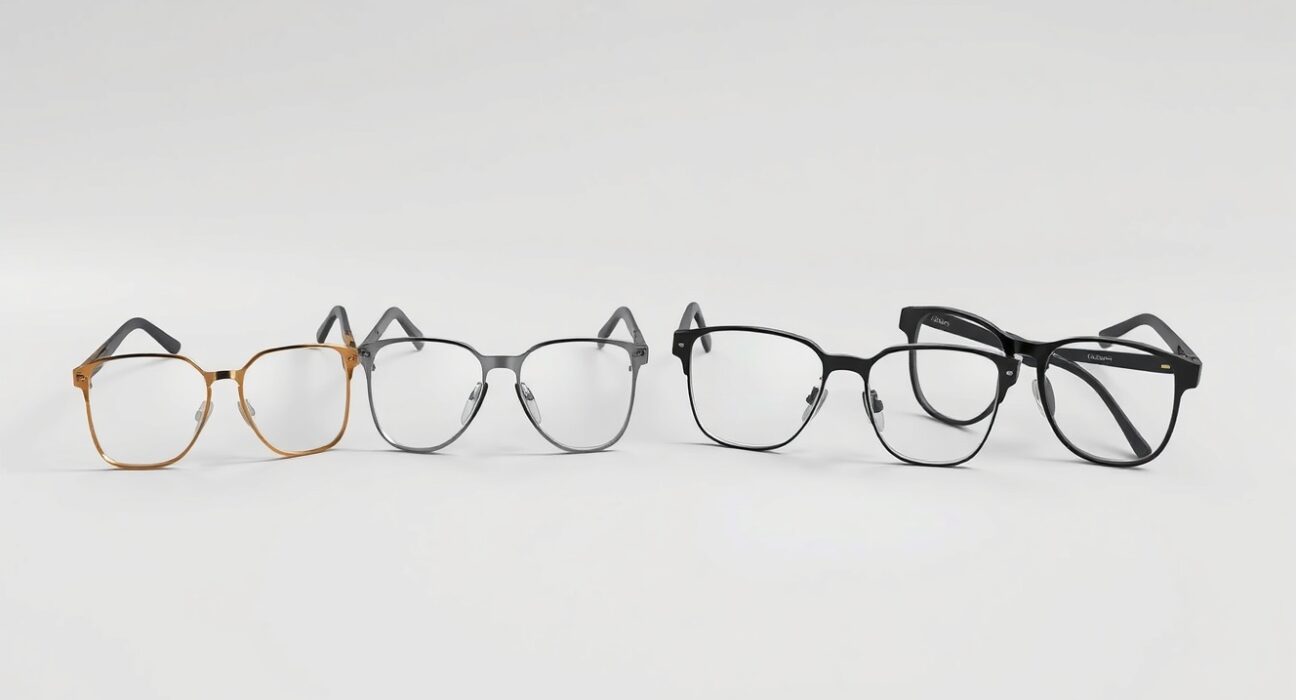
Apple is actively testing four distinct physical designs for its long-anticipated smart glasses, according to a new report from Bloomberg’s Mark Gurman. This development signals a crucial phase in the product’s journey toward a potential 2027 consumer launch. The tech giant’s exploration of multiple form factors underscores a strategic pivot toward a more accessible wearable, moving beyond the high-end, immersive vision of its existing Vision Pro headset.
Apple Smart Glasses Design Philosophy and Four Prototypes
Bloomberg’s report, citing sources familiar with the project, details the four frame styles currently under evaluation. This testing phase is critical for determining market fit and user comfort. The designs represent a spectrum of aesthetics, potentially targeting different user preferences and demographics.
The four reported frame designs are:
- Large Rectangular Frame: A bold, statement design offering a larger surface area.
- Slimmer Rectangular Frame: A more subtle, classic style reportedly similar to glasses often worn by Apple CEO Tim Cook.
- Larger Oval/Circular Frame: A retro-inspired or modern round look with significant lens presence.
- Smaller Oval/Circular Frame: A compact, minimalist version of the circular design.
Furthermore, Apple is considering a range of colors including black, ocean blue, and light brown. This focus on varied aesthetics marks a significant departure from the one-size-fits-all approach of many first-generation tech products. The company may ultimately launch with multiple designs, a strategy common in eyewear but less so in first-generation Apple hardware.
Strategic Shift in Apple’s Wearable Roadmap
This new product direction represents a notable recalibration of Apple’s augmented reality ambitions. Initially, the company reportedly envisioned a suite of mixed and augmented reality devices. However, that ambitious plan encountered hurdles, including product delays and the niche, high-cost positioning of the Vision Pro headset.
Consequently, the reported smart glasses project appears more pragmatic. Analysts suggest this reflects a strategic learning curve. The device is described as functionally closer to Meta’s Ray-Ban smart glasses than a full AR headset. This indicates a focus on everyday wearability and core smart features over immersive 3D environments.
| Feature | Apple Smart Glasses (Reported) | Apple Vision Pro | Meta Ray-Ban Smart Glasses |
|---|---|---|---|
| Primary Interface | Voice (Siri), Touch | Hands, Eyes, Voice | Voice (Meta AI), Touch |
| Displays | None | Dual Micro-OLED | None |
| Key Functions | Photos, Music, Calls, AI | Full Spatial Computing | Photos, Music, Calls, AI |
| Target Use Case | All-day Wearable | Seated/Stationary Experiences | All-day Wearable |
Expert Analysis on the Market Positioning
Industry observers note this shift aligns with broader wearable trends. The failure of early, bulky smart glasses taught the industry that social acceptance is paramount. Therefore, Apple’s reported design focus on familiar eyeglass forms is a logical step. It prioritizes discretion and fashion to encourage all-day use, which is essential for collecting contextual data and enabling seamless AI assistance.
This approach also mitigates technical challenges. By omitting complex displays, Apple can potentially improve battery life, reduce heat, and create a lighter, more comfortable product. The core value then shifts to the integration of cameras, audio, sensors, and, most importantly, artificial intelligence.
The Central Role of AI and Siri
The reported functionality hinges on a significant upgrade to Siri. The glasses are expected to allow users to take photos and videos using oval camera lenses, answer phone calls, play music, and interact primarily through voice. This positions the device as a physical gateway to Apple’s on-device and cloud AI ecosystem.
A powerful, context-aware Siri would be necessary to make a screenless device intuitive. For instance, the AI would need to identify objects, translate text in real-time, or provide audio-based navigation without visual prompts. This development is therefore intrinsically linked to Apple’s broader AI advancements expected to be showcased at WWDC 2025 and beyond.
The success of the glasses may depend less on hardware specs and more on the reliability and usefulness of its AI assistant. This creates a high-stakes software challenge for Apple’s engineering teams.
Timeline and Industry Impact
Mark Gurman’s report suggests a possible unveiling at the end of 2026, with a sales launch following in 2027. This timeline allows Apple to refine the designs, finalize the AI software stack, and build manufacturing capacity.
The entry of Apple into the everyday smart glasses segment would significantly validate the category. It could accelerate competition, drive innovation in component miniaturization, and establish new design standards. However, it also raises familiar questions about privacy, data collection, and the social implications of always-on wearable cameras.
Apple will need to address these concerns transparently. The company’s historical emphasis on privacy could become a key marketing differentiator against competitors in the smart glasses space.
Conclusion
Apple’s testing of four distinct designs for its upcoming smart glasses reveals a deliberate and user-focused development strategy. This move signifies a pragmatic evolution from the company’s initial AR ambitions, targeting a broader market with a familiar, wearable form factor. The project’s success will likely depend on three pillars: fashionable and comfortable design, seamless and powerful AI integration via Siri, and a compelling narrative around privacy. As testing continues toward a potential 2027 launch, these Apple smart glasses could redefine the boundary between personal technology and personal accessory.
FAQs
Q1: When will Apple release its smart glasses?
Based on Bloomberg’s reporting, Apple is targeting a potential unveiling in late 2026, with a consumer launch likely in 2027.
Q2: What will Apple smart glasses be able to do?
Reported features include taking photos and videos, answering phone calls, playing music, and interacting with an upgraded Siri AI assistant. They are not expected to have built-in displays for AR visuals.
Q3: How are these glasses different from the Apple Vision Pro?
The Vision Pro is a full spatial computing headset with displays for immersive experiences. The smart glasses are designed to be a lightweight, all-day wearable with audio and camera-based features, closer in concept to smart audio glasses.
Q4: Why is Apple testing four different designs?
Testing multiple designs helps Apple gauge consumer preference for style, fit, and comfort. It also suggests the company may launch multiple models simultaneously to appeal to different tastes, much like the standard eyewear industry.
Q5: What are the biggest challenges for Apple’s smart glasses?
Key challenges include achieving all-day battery life in a small form factor, ensuring user privacy with always-available cameras, delivering a truly reliable and contextual AI experience, and convincing consumers to adopt a new type of always-on wearable.
Disclaimer: The information provided is not trading advice, Bitcoinworld.co.in holds no liability for any investments made based on the information provided on this page. We strongly recommend independent research and/or consultation with a qualified professional before making any investment decisions.