

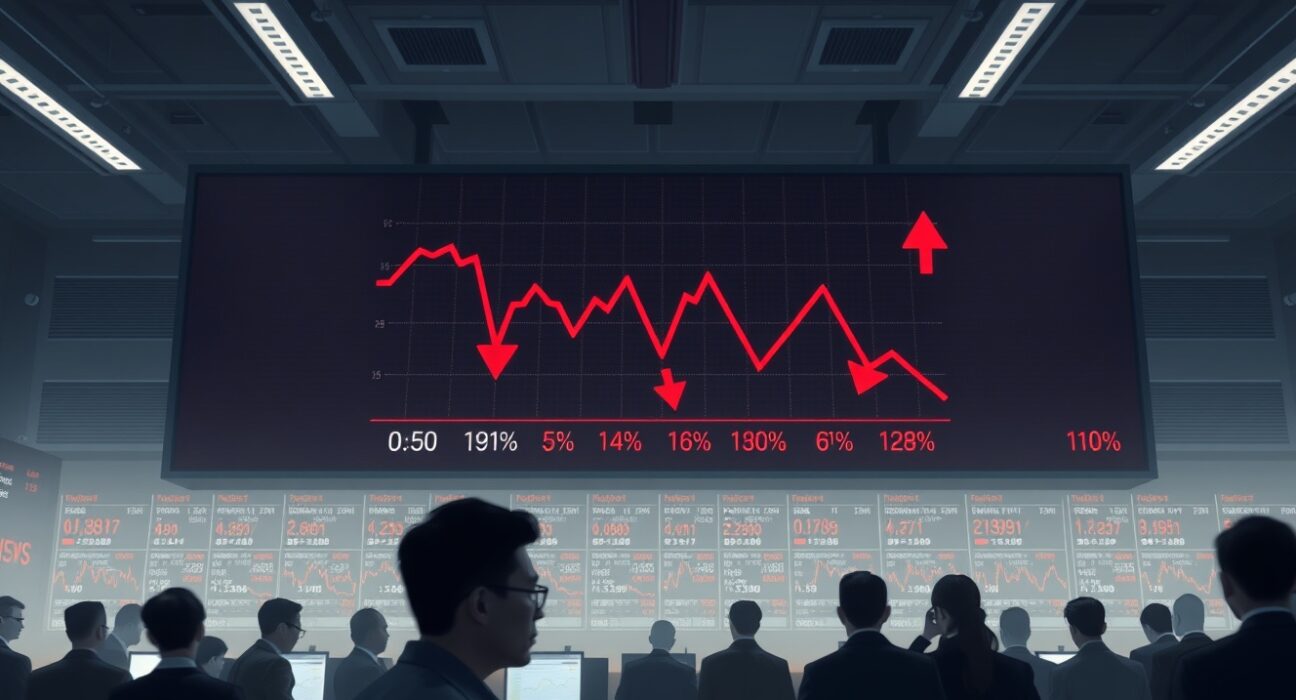
Asian stock markets experienced a sharp sell-off on Tuesday, led by a more than 8% plunge in South Korea’s KOSPI index, as investor sentiment soured following Apple’s decision to raise prices across its product lineup. The move has reignited concerns about persistent inflation and its potential impact on global consumer demand and corporate earnings.
Apple’s Price Hike Triggers Broad Market Fears
Apple’s announcement of price increases for its flagship iPhone, iPad, and Mac models sent shockwaves through Asian markets, where the company’s extensive supply chain and consumer base are concentrated. Analysts warned that the price hikes, attributed to rising component costs and currency fluctuations, could signal a broader trend of elevated inflation that central banks have struggled to contain. The tech-heavy KOSPI index fell 8.2%, its largest single-day drop in over a year, while Japan’s Nikkei 225 lost 4.5% and Hong Kong’s Hang Seng index declined 3.8%.
Inflation Concerns Resurface Amid Tightening Cycle
The market rout underscores growing unease that inflationary pressures remain stubbornly high, despite aggressive interest rate hikes by major central banks. Apple’s move is seen as a bellwether for other consumer goods companies, which may also pass higher costs to consumers. This could dampen retail spending and slow economic growth in the region. South Korea, heavily reliant on semiconductor and electronics exports, is particularly vulnerable to shifts in global demand and trade dynamics.
Impact on Investors and Regional Economies
For investors, the sell-off represents a sharp reversal from recent optimism about a potential peak in interest rates. The KOSPI’s decline erased billions in market value, with tech giants like Samsung Electronics and SK Hynix falling sharply. The broader market reaction suggests that traders are reassessing risk premiums and pricing in a more prolonged period of monetary tightening. For consumers, higher Apple prices may signal that inflation is not yet under control, potentially influencing spending and savings behavior.
Conclusion
The Asian market plunge, triggered by Apple’s price hike, highlights the fragility of investor confidence in the face of persistent inflation. With central banks expected to maintain a hawkish stance, market volatility may continue in the near term. Investors should monitor corporate earnings reports and consumer spending data for further signs of economic strain.
FAQs
Q1: Why did Asian markets fall sharply after Apple’s price hike?
A1: Apple’s price increase raised fears that inflation remains persistent, which could lead to higher interest rates and reduced consumer spending. Markets reacted negatively, particularly in Asia where Apple’s supply chain and consumer base are significant.
Q2: How much did the KOSPI index drop?
A2: The KOSPI index plunged over 8% in a single trading session, marking its largest decline in over a year.
Q3: What should investors do during such market volatility?
A3: Investors are advised to stay informed on macroeconomic data, avoid panic selling, and consider diversification. Long-term strategies may help weather short-term market fluctuations.
Disclaimer: The information provided is not trading advice, Bitcoinworld.co.in holds no liability for any investments made based on the information provided on this page. We strongly recommend independent research and/or consultation with a qualified professional before making any investment decisions.
