

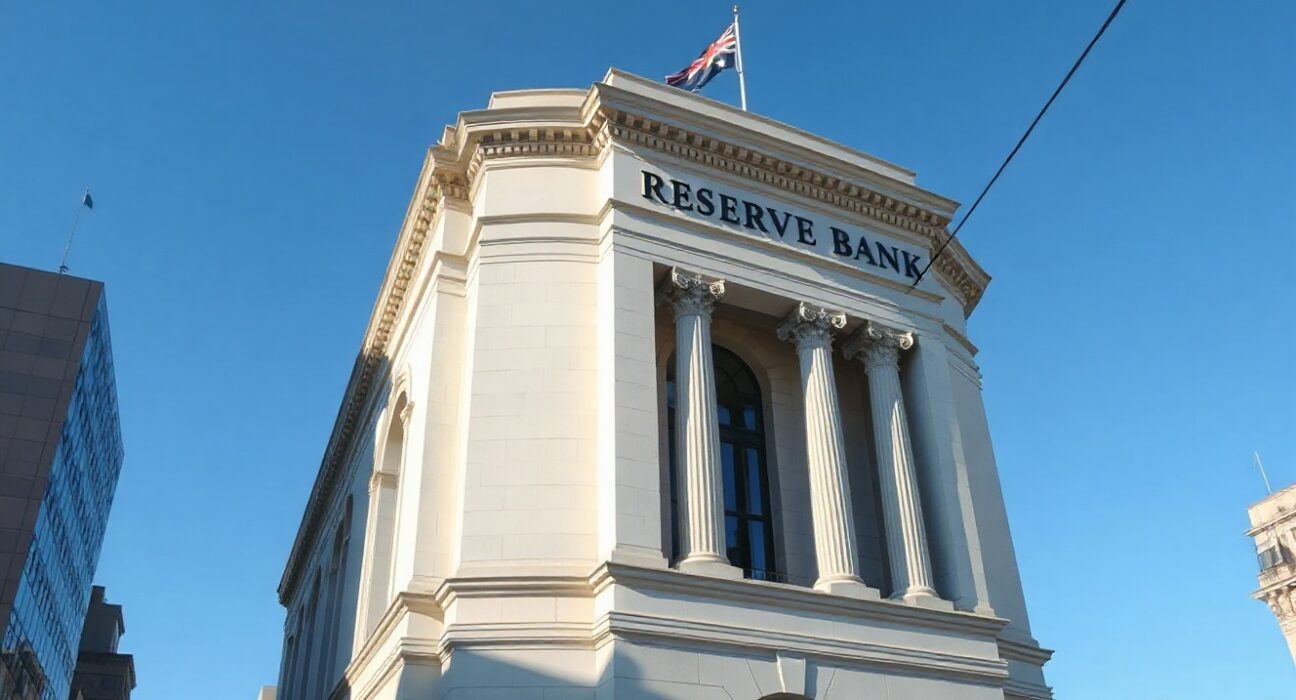
Australia’s annual inflation rate eased more than economists had anticipated in April, according to fresh data released Wednesday. The Consumer Price Index (CPI) rose 4.2% year-over-year, coming in below the 4.4% consensus forecast and marking a notable deceleration from the 4.9% annual pace recorded in March.
Inflation Cools Across Key Categories
The latest figures from the Australian Bureau of Statistics (ABS) show that price pressures are moderating across several sectors, though some categories remain elevated. The monthly CPI indicator for April 2024 reflects the ongoing impact of tighter monetary policy and easing global supply chain constraints. Analysts point to softer housing and food price growth as primary drivers behind the lower-than-expected reading.
Implications for the Reserve Bank of Australia
The data arrives at a critical juncture for the Reserve Bank of Australia (RBA), which has held the cash rate steady at 4.35% since November 2023. Markets had been pricing in a potential rate cut later this year, and the softer inflation print reinforces expectations that the RBA may begin easing policy sooner than previously thought. However, RBA Governor Michele Bullock has repeatedly cautioned that the board remains vigilant against persistent inflation, particularly in services and rents.
What This Means for Borrowers and the Economy
For Australian households, the slower inflation rate offers a measure of relief after two years of aggressive rate hikes that pushed mortgage repayments sharply higher. If inflation continues to trend downward, the RBA may have room to cut rates in the second half of 2024, which would reduce borrowing costs for homeowners and businesses. Nevertheless, core inflation measures remain above the RBA’s 2-3% target band, suggesting the central bank will proceed cautiously.
Conclusion
Australia’s April CPI reading at 4.2% provides the clearest signal yet that inflationary pressures are receding. While the RBA is unlikely to rush into rate cuts, the data strengthens the case for a shift in monetary policy later this year. Markets and consumers alike will watch upcoming employment and wage data for further clues on the central bank’s next move.
FAQs
Q1: What is Australia’s current inflation rate?
The annual CPI inflation rate in Australia fell to 4.2% in April 2024, down from 4.9% in March.
Q2: How does this affect interest rates?
The lower-than-expected inflation figure increases the likelihood that the RBA will keep the cash rate steady at 4.35% and could pave the way for rate cuts later in 2024.
Q3: Why is the inflation drop significant?
It suggests that the RBA’s tightening cycle is effectively cooling demand, and it offers potential relief for households facing high mortgage costs.
Disclaimer: The information provided is not trading advice, Bitcoinworld.co.in holds no liability for any investments made based on the information provided on this page. We strongly recommend independent research and/or consultation with a qualified professional before making any investment decisions.
