

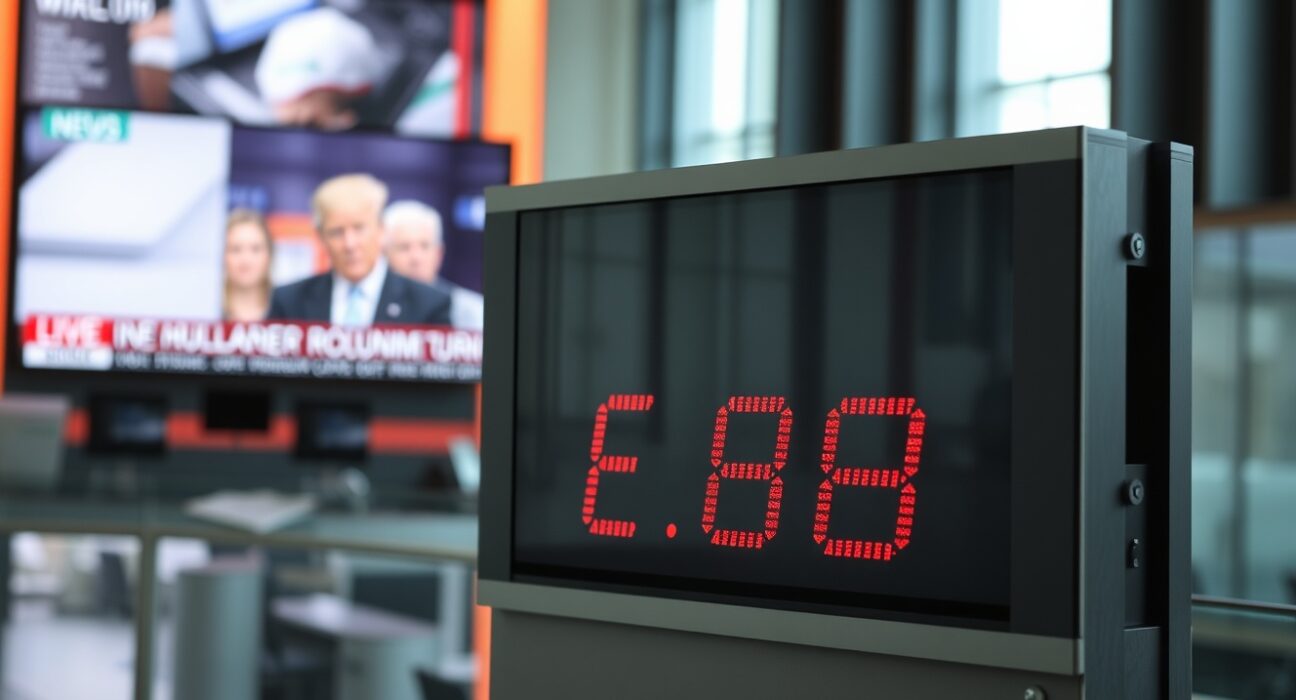
The Australian dollar experienced a sharp reversal on Tuesday after former U.S. President Donald Trump indicated that a memorandum of understanding with Iran appears to have collapsed. The comments, made during a media appearance, injected fresh geopolitical uncertainty into global markets, prompting a flight from risk-sensitive currencies.
Market Reaction and Immediate Impact
The Aussie dollar, often viewed as a proxy for global risk appetite, fell sharply against the U.S. dollar and other major peers. Traders moved quickly to reduce exposure to currencies tied to commodity prices and global trade, as the prospect of renewed tensions in the Middle East raised concerns about energy supply and broader economic stability.
The move reversed earlier gains that had been supported by optimism around trade negotiations and commodity demand. Analysts noted that the sudden shift underscores how sensitive the Australian dollar remains to geopolitical headlines, particularly those involving major powers and energy markets.
Background: The Iran MoU and Trump’s Stance
The memorandum of understanding in question was part of ongoing diplomatic efforts to curb Iran’s nuclear program in exchange for sanctions relief. Trump, who has been critical of the deal, suggested that the agreement is no longer viable, though he did not provide specific evidence or a timeline for its collapse.
His remarks come amid a broader reassessment of U.S. foreign policy priorities, and they have reignited debate over the effectiveness of diplomatic approaches to Iran. The lack of clarity on the status of the MoU has left markets guessing about the next steps, adding a layer of uncertainty that is typically negative for currencies like the Australian dollar.
What This Means for Traders and Investors
For forex traders, the development signals a potential shift in risk sentiment. The Australian dollar is likely to remain under pressure until there is greater clarity on the Iran situation and its implications for oil prices and global trade flows. Investors should monitor any official statements from the U.S. or Iranian governments that could confirm or deny Trump’s claims.
The broader takeaway is that geopolitical events remain a dominant driver of currency markets in 2025, and the Australian dollar’s sensitivity to such shocks means it can move quickly on headlines. Risk management and hedging strategies are advisable during periods of heightened uncertainty.
Conclusion
The Australian dollar’s sharp decline following Trump’s comments on the Iran MoU highlights the currency’s vulnerability to geopolitical risk. While the full implications are still unfolding, the immediate market reaction underscores the importance of staying informed about diplomatic developments. Traders should prepare for continued volatility until the situation clarifies.
FAQs
Q1: Why did the Australian dollar fall after Trump’s comments on Iran?
The Australian dollar is a risk-sensitive currency. Trump’s suggestion that the Iran nuclear deal is over increased geopolitical uncertainty, prompting investors to move away from riskier assets and currencies.
Q2: What is the Iran MoU mentioned in the article?
The MoU refers to a memorandum of understanding related to diplomatic efforts to limit Iran’s nuclear program. Its status is now uncertain after Trump indicated it may be over.
Q3: Should traders expect more volatility in the Australian dollar?
Yes, until there is official confirmation or clarification on the status of the Iran deal, the Australian dollar is likely to remain sensitive to related headlines and broader risk sentiment shifts.
Disclaimer: The information provided is not trading advice, Bitcoinworld.co.in holds no liability for any investments made based on the information provided on this page. We strongly recommend independent research and/or consultation with a qualified professional before making any investment decisions.
