

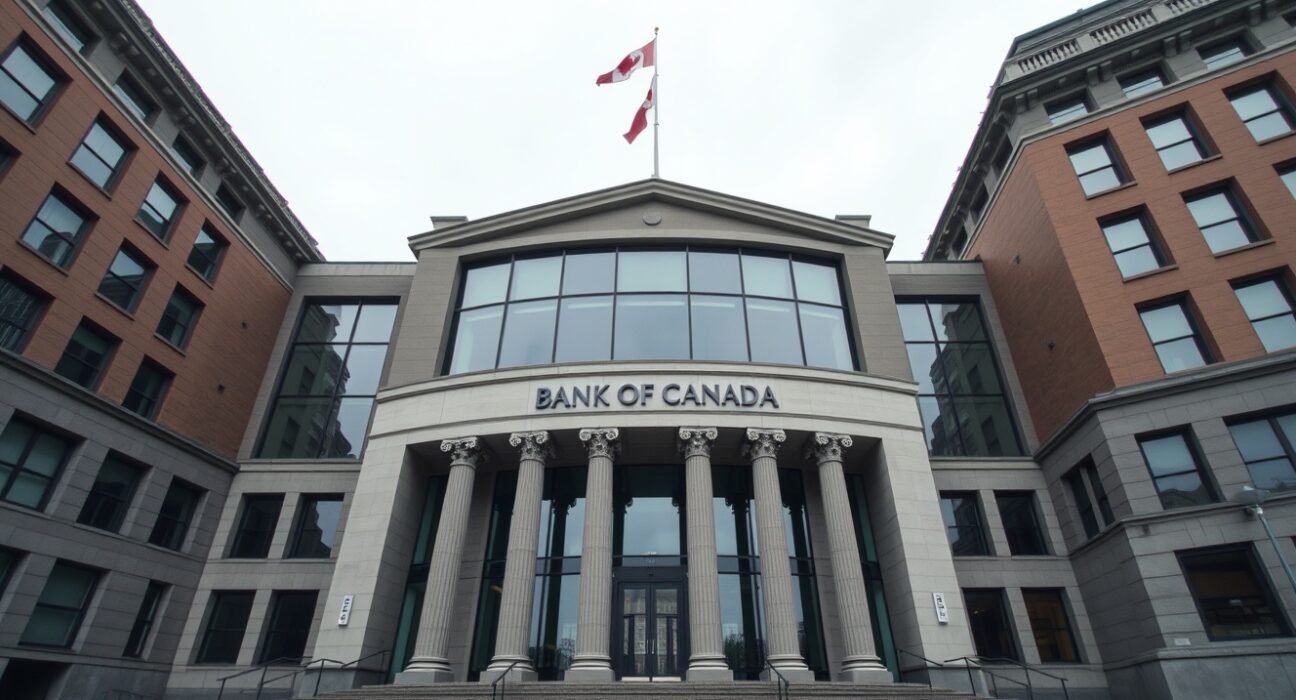
The Bank of Canada (BoC) has revised its timeline for introducing regulations governing stablecoins, now indicating that formal rules are likely to be implemented in the middle or latter half of 2027. The update, reported by Reuters, came during testimony before the Canadian Senate, where Senior Deputy Governor Carolyn Rogers provided a candid assessment of the regulatory progress.
Regulatory Timeline Adjusted Amid Complexity
During her Senate testimony, Rogers acknowledged that the central bank’s original plan to introduce stablecoin regulations in early 2027 was overly ambitious. She explained that while substantial work on the regulatory design is already underway, the complexity of the task has necessitated a more realistic timeline. ‘The actual implementation is more likely to occur in mid or late 2027,’ Rogers stated, signaling a deliberate and thorough approach to crafting rules for digital assets pegged to fiat currencies.
Stablecoins, which are cryptocurrencies designed to maintain a stable value relative to a reserve asset like the Canadian dollar or the U.S. dollar, have grown in prominence globally. However, their regulatory status remains uncertain in many jurisdictions, including Canada. The BoC’s move to establish a clear framework is seen as a critical step toward integrating these digital assets into the financial system while mitigating risks related to consumer protection, financial stability, and illicit finance.
Implications for the Canadian Crypto Market
The delay provides additional time for industry participants, including issuers and exchanges, to prepare for compliance. It also allows the BoC and other regulatory bodies to coordinate with international standards, such as those being developed by the Financial Stability Board (FSB) and the International Organization of Securities Commissions (IOSCO). Canada has historically been proactive in crypto regulation, having already classified most cryptocurrencies as securities and requiring exchanges to register with provincial regulators.
Why This Matters for Investors and Businesses
For Canadian businesses and investors operating in the crypto space, the extended timeline offers both clarity and uncertainty. On one hand, the BoC’s commitment to establishing rules signals that stablecoins will eventually have a legitimate place in the Canadian financial ecosystem. On the other hand, the delay means that regulatory uncertainty will persist for at least another three years, potentially slowing adoption and innovation. Market participants should monitor the BoC’s public consultations and draft proposals, which are expected to be released in the interim.
Conclusion
The Bank of Canada’s revised timeline for stablecoin regulation reflects the inherent challenges of crafting effective oversight for rapidly evolving digital assets. While the original goal of early 2027 proved too optimistic, the mid-to-late 2027 target underscores a methodical, risk-aware approach. For now, the Canadian crypto industry must navigate a period of regulatory development, with the promise of a clearer framework on the horizon.
FAQs
Q1: Why did the Bank of Canada delay stablecoin regulations?
The BoC determined that its original early 2027 timeline was too ambitious given the complexity of designing a comprehensive regulatory framework. Senior Deputy Governor Carolyn Rogers cited the need for thorough work on regulatory design, pushing the expected implementation to mid or late 2027.
Q2: What are stablecoins, and why are they being regulated?
Stablecoins are cryptocurrencies designed to maintain a stable value by being pegged to a reserve asset, such as a fiat currency. Regulators are focusing on them due to concerns about consumer protection, financial stability, and their potential use in illicit activities, requiring clear rules for issuance, redemption, and reserves.
Q3: How will this affect Canadian crypto exchanges and users?
The delay means continued regulatory uncertainty for exchanges and users until at least 2027. However, the BoC’s commitment to eventual regulation provides a long-term roadmap. Exchanges should prepare for compliance by monitoring upcoming consultations, while users should stay informed about evolving requirements for stablecoin transactions and holdings.
Disclaimer: The information provided is not trading advice, Bitcoinworld.co.in holds no liability for any investments made based on the information provided on this page. We strongly recommend independent research and/or consultation with a qualified professional before making any investment decisions.
