

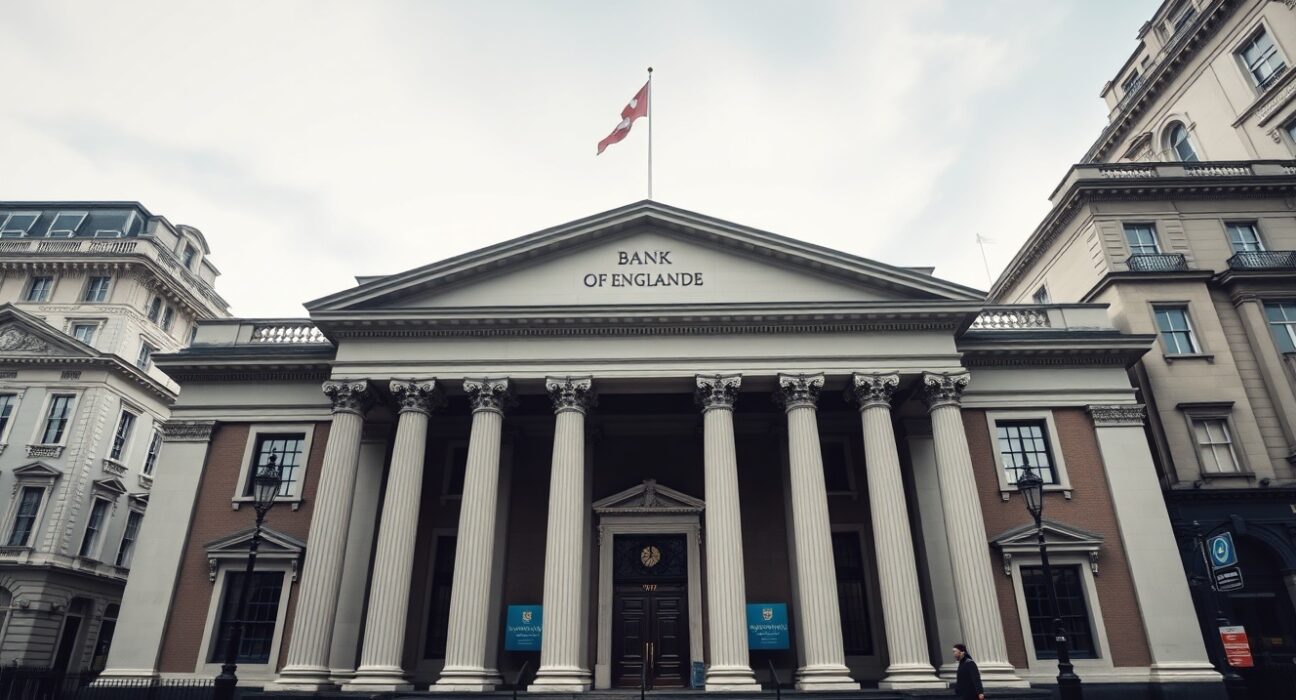
The Bank of England (BoE) is widely expected to keep its benchmark interest rate unchanged at 3.75% when its Monetary Policy Committee (MPC) concludes its latest meeting on March 20, 2025. Markets are focused on the accompanying policy statement and minutes for clues about the future direction of monetary policy, particularly regarding inflation and economic growth.
Market Expectations and Rationale
Economists and financial markets have priced in a near-certain probability that the MPC will vote to maintain the current rate. The decision reflects a cautious approach as the central bank balances persistent inflationary pressures against a weakening economic outlook. The UK economy has shown signs of slowing, with GDP growth stalling in recent months, while inflation remains above the BoE’s 2% target.
According to data released by the Office for National Statistics in February 2025, the Consumer Prices Index (CPI) rose by 3.1% year-on-year, driven largely by higher energy costs and services inflation. The BoE has previously signaled that it needs to see sustained evidence of inflation returning to target before considering rate cuts.
Policy Statement and Forward Guidance
The MPC’s statement and the minutes of the meeting, due to be published alongside the rate decision at 12:00 GMT, will be scrutinized for any changes in language regarding the outlook for borrowing costs. Investors are particularly interested in whether the committee signals a shift toward a more accommodative stance later in the year.
Market pricing currently suggests the first rate cut could come as early as May 2025, though recent comments from MPC members have been divided. Some have emphasized the need to maintain restrictive policy to ensure inflation is fully under control, while others have pointed to downside risks to growth.
Impact on Borrowers and Savers
For households and businesses, a hold in rates means mortgage rates and loan costs are likely to remain elevated in the near term. Variable-rate mortgage holders will see no immediate relief, while savers may continue to benefit from relatively higher deposit rates. However, the longer rates stay high, the greater the drag on consumer spending and business investment.
The BoE’s decision also has implications for the UK government’s fiscal position, as higher interest rates increase the cost of servicing public debt.
Conclusion
The Bank of England’s decision to hold rates at 3.75% reflects a careful balancing act between controlling inflation and supporting a fragile economy. The focus now shifts to the MPC’s forward guidance for signals on the timing and pace of any future rate cuts. Markets will remain attentive to upcoming economic data and global developments that could influence the central bank’s next move.
FAQs
Q1: Why is the Bank of England expected to keep interest rates unchanged?
The BoE is expected to hold rates at 3.75% because inflation remains above its 2% target, while the economy shows signs of slowing. The MPC is taking a cautious approach, waiting for clearer evidence that inflation is sustainably returning to target before adjusting policy.
Q2: When will the next interest rate decision be announced?
The BoE’s next rate decision is scheduled for March 20, 2025, with the announcement at 12:00 GMT. The following MPC meeting will take place in May 2025.
Q3: How does the BoE’s decision affect mortgage rates?
If the BoE holds rates, variable mortgage rates and new fixed-rate deals are likely to remain at current levels. Borrowers on tracker mortgages will see no immediate change in their payments. A future rate cut could lead to lower borrowing costs, but timing remains uncertain.
Disclaimer: The information provided is not trading advice, Bitcoinworld.co.in holds no liability for any investments made based on the information provided on this page. We strongly recommend independent research and/or consultation with a qualified professional before making any investment decisions.
