

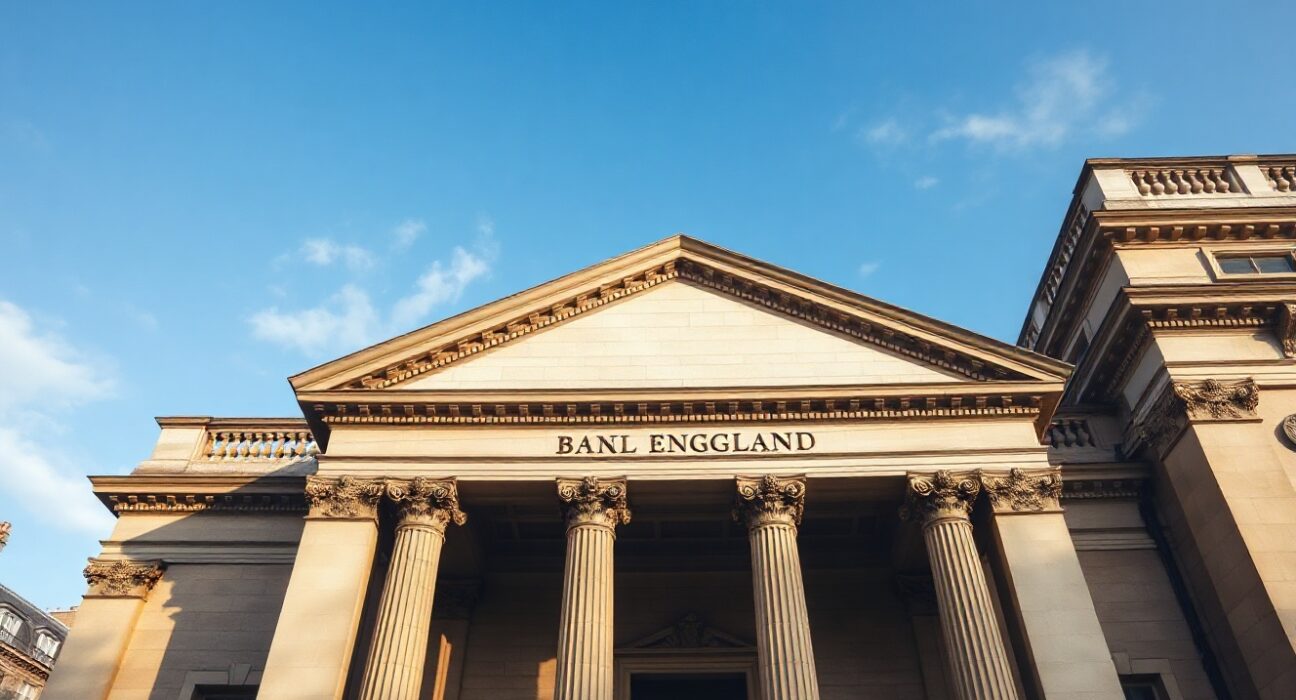
Economists at ING have projected that the Bank of England (BoE) is likely to implement a single interest rate hike during the summer of 2025, as the central bank navigates persistent inflationary pressures and a fragile economic recovery. The forecast, based on current economic data and policy signals, suggests a cautious approach from the Monetary Policy Committee (MPC).
ING’s Rate Hike Outlook
According to ING’s analysis, the BoE’s next move will likely be a 25-basis-point increase in the bank rate, bringing it to 5.0% from the current 4.75%. The prediction is rooted in expectations that inflation will remain above the 2% target through mid-2025, driven by sticky services inflation and rising wage growth. ING notes that the MPC is expected to prioritize credibility over growth, opting for a single hike rather than a series of increases.
The summer timing aligns with the BoE’s quarterly Monetary Policy Report, where updated forecasts are typically released. ING analysts point to the May or August meetings as the most probable windows for action, depending on incoming data on inflation and economic activity.
Context and Market Implications
The UK economy has shown mixed signals in recent months. While GDP growth has been modest, the labor market remains tight, with unemployment near historic lows and wage settlements averaging above 5%. These factors have kept core inflation elevated, even as headline inflation has eased from its 2022 peak.
ING’s forecast aligns with broader market expectations, though some traders have priced in a more aggressive path. The probability of a summer hike has fluctuated between 40% and 60% in recent weeks, reflecting uncertainty over the BoE’s reaction function.
For mortgage holders and businesses, a single hike would represent a manageable adjustment compared to the rapid tightening cycle of 2022-2023. However, ING warns that the decision remains data-dependent, and a surprise in wage or inflation data could alter the outlook.
What This Means for Borrowers and Savers
If the BoE proceeds with a summer hike, variable-rate mortgage borrowers would see an immediate increase in monthly payments. For savers, a rate rise could provide a modest boost to savings account yields, though the pass-through to deposit rates has been uneven in previous cycles.
ING emphasizes that the broader trajectory remains uncertain. A single hike does not necessarily signal the start of a new tightening cycle; it could be a one-off adjustment to ensure inflation returns sustainably to target.
Conclusion
ING’s projection of a single Bank of England rate hike this summer reflects a balancing act between controlling inflation and supporting economic growth. While the forecast is subject to revision based on incoming data, it provides a clear baseline for market participants and households planning for the months ahead. The BoE’s next policy meeting in May will be closely watched for further clues.
FAQs
Q1: Why does ING expect only one rate hike this summer?
ING’s analysis suggests that the BoE will act cautiously, delivering a single 25-basis-point increase to address persistent inflation without derailing the economic recovery. The central bank is likely to wait for further evidence before committing to additional moves.
Q2: When could the rate hike happen?
The most likely dates are the BoE’s May or August 2025 policy meetings, when updated economic forecasts are released. The exact timing will depend on inflation and wage data released in the preceding weeks.
Q3: How would a rate hike affect mortgage rates?
Variable-rate and tracker mortgages would see an immediate increase in monthly payments. Fixed-rate mortgages are less directly affected but may see upward pressure on new deals as lenders adjust to the higher base rate.
Disclaimer: The information provided is not trading advice, Bitcoinworld.co.in holds no liability for any investments made based on the information provided on this page. We strongly recommend independent research and/or consultation with a qualified professional before making any investment decisions.
