

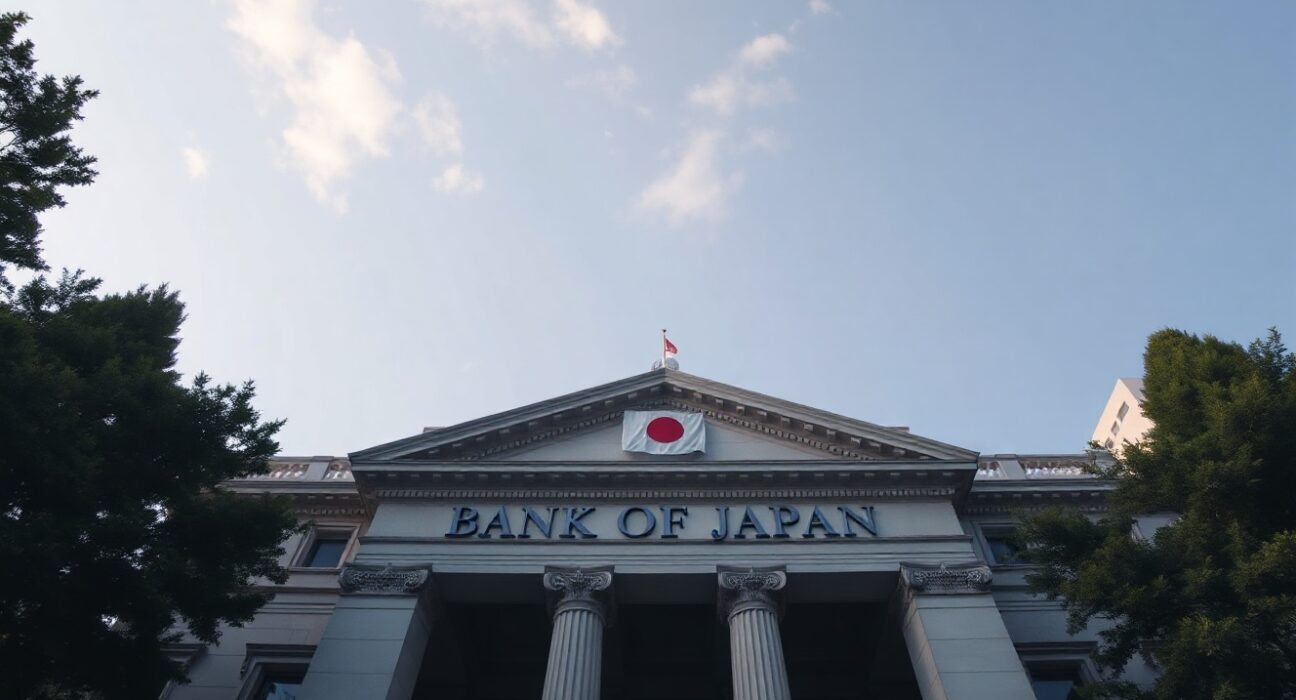
The Bank of Japan (BOJ) raised its benchmark interest rate by 25 basis points to 1% on [Date], a move that was widely anticipated by financial markets and economists. The decision marks the highest policy rate in Japan since 2008, underscoring the central bank’s continued shift away from decades of ultra-loose monetary policy.
Decision Details and Rationale
The BOJ’s policy board voted [X-Y] in favor of the increase, citing sustained inflation above the 2% target and strengthening wage growth as key factors. Governor Kazuo Ueda has signaled a gradual normalization path, and today’s move aligns with that strategy. The central bank also maintained its forward guidance, indicating it will continue to adjust policy if economic conditions evolve as projected.
Market Reaction and Implications
The yen initially strengthened against the U.S. dollar following the announcement, though gains were tempered as markets had already priced in the hike. Japan’s 10-year government bond yield remained stable near [X]%, reflecting the decision’s predictability. Equity markets showed a mixed response, with the Nikkei 225 index fluctuating as investors weighed higher borrowing costs against a stronger currency.
Impact on Households and Businesses
For Japanese consumers, the rate increase translates into higher mortgage and loan payments, particularly for variable-rate loans. Businesses face increased financing costs, which could dampen capital expenditure in the near term. However, the BOJ views the move as necessary to prevent the economy from overheating and to maintain price stability.
Broader Context and Global Perspective
This rate hike is part of a broader global trend of central banks tightening policy, though Japan remains an outlier in the pace of normalization. The U.S. Federal Reserve and European Central Bank have already raised rates more aggressively. The BOJ’s cautious approach reflects Japan’s unique economic challenges, including decades of low inflation and a highly indebted government.
Conclusion
The BOJ’s decision to raise rates to 1% represents a significant milestone in Japan’s monetary policy history. While the move was expected, its long-term effects on the yen, bond markets, and economic growth will be closely monitored. The central bank remains committed to a data-dependent approach, with further hikes possible if inflation and wage dynamics continue to strengthen.
FAQs
Q1: Why did the Bank of Japan raise interest rates?
The BOJ raised rates to 1% to combat persistent inflation above its 2% target and to normalize monetary policy after years of ultra-low rates. The decision was based on improving wage growth and economic conditions.
Q2: How will this rate hike affect the yen?
The yen may strengthen in the short term as higher rates attract foreign capital. However, the impact depends on the BOJ’s future policy path and the interest rate differential with other major currencies, particularly the U.S. dollar.
Q3: What does this mean for Japanese homeowners?
Homeowners with variable-rate mortgages will see their monthly payments increase. Those with fixed-rate loans are unaffected until their next refinancing period. The BOJ advises borrowers to plan for gradually rising rates.
Disclaimer: The information provided is not trading advice, Bitcoinworld.co.in holds no liability for any investments made based on the information provided on this page. We strongly recommend independent research and/or consultation with a qualified professional before making any investment decisions.
