

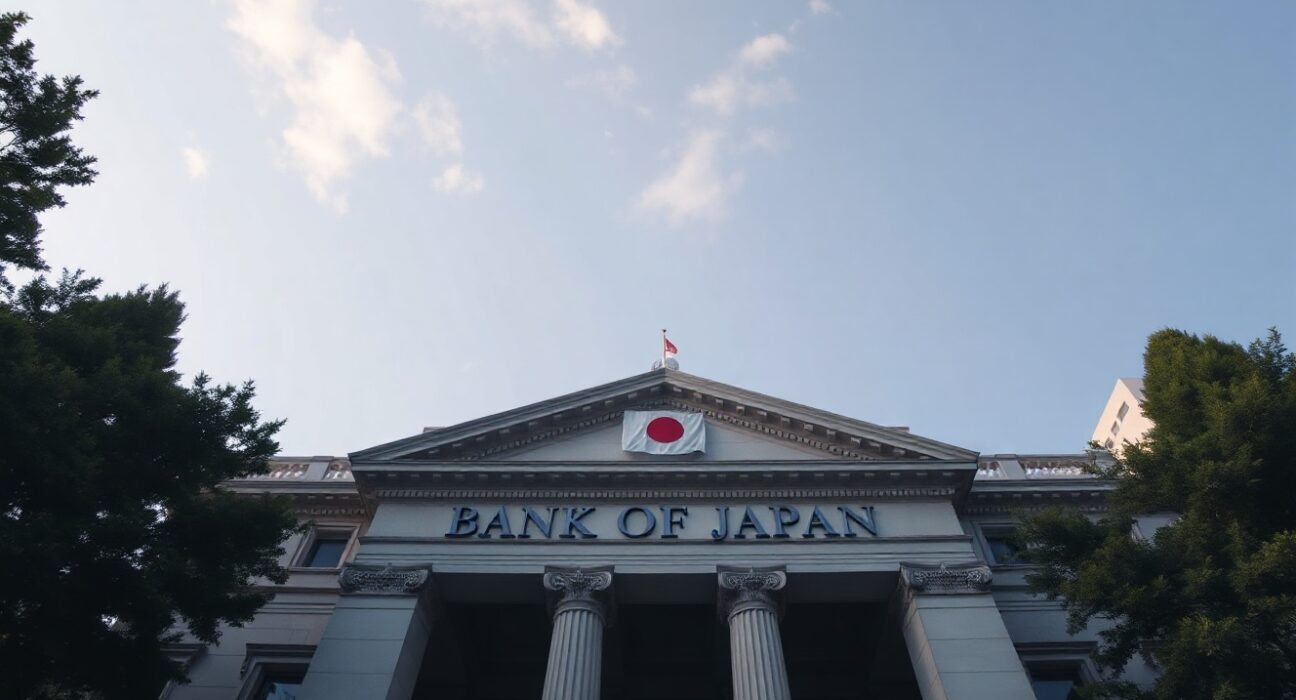
The Bank of Japan (BOJ) is widely expected to raise its benchmark interest rate to 1% at its upcoming policy meeting, marking the highest level since 1995. The move would represent a significant shift in Japan’s long-running ultra-loose monetary policy, reflecting sustained inflationary pressures and a strengthening economy.
Policy Context and Rationale
According to market analysts and central bank watchers, the BOJ’s decision is driven by consistent inflation data above its 2% target, rising wages, and a more confident economic outlook. Governor Kazuo Ueda has signaled that the central bank is prepared to normalize policy if inflation remains sustainably at target levels. A rate hike to 1% would follow a series of incremental increases from negative territory, which began in early 2024.
Market and Economic Implications
A rate increase to 1% would have several immediate effects. The Japanese yen is likely to strengthen further against the US dollar, providing relief from import-driven inflation but potentially weighing on export competitiveness. Domestic bond yields are expected to rise, increasing borrowing costs for the government, which carries one of the highest debt-to-GDP ratios globally. For households and businesses, mortgage rates and corporate loan costs would increase, though the impact is expected to be gradual given the low starting point.
Global and Regional Impact
Japan’s monetary policy normalization is being closely watched by global markets. As the last major central bank to exit negative interest rates, the BOJ’s move could influence capital flows, carry trade dynamics, and yield differentials with the US and Europe. Emerging markets in Asia may experience some volatility as investors reassess risk premiums. However, analysts note that the move is well-telegraphed and largely priced in, reducing the likelihood of a sharp market reaction.
Conclusion
The expected rate hike to 1% represents a historic milestone for Japan, ending a decades-long era of near-zero and negative interest rates. While the decision underscores confidence in Japan’s economic recovery, it also introduces new challenges for fiscal sustainability and financial stability. The BOJ’s communication in the coming weeks will be critical in managing market expectations and ensuring a smooth transition to a more normal monetary policy framework.
FAQs
Q1: Why is the Bank of Japan raising interest rates now?
The BOJ is raising rates because inflation has consistently exceeded its 2% target, and wage growth has strengthened, indicating that the economy can sustain higher borrowing costs. The central bank aims to normalize policy after years of ultra-loose measures.
Q2: How will a 1% rate affect the average Japanese consumer?
Consumers may see slightly higher mortgage rates and loan costs, but the increase is gradual. On the positive side, a stronger yen could lower the cost of imported goods, including food and energy, helping household budgets.
Q3: What does this mean for global investors?
Global investors should watch for yen appreciation and potential shifts in carry trade strategies. Japanese government bond yields are likely to rise, offering higher returns but also increasing volatility in fixed-income markets.
Disclaimer: The information provided is not trading advice, Bitcoinworld.co.in holds no liability for any investments made based on the information provided on this page. We strongly recommend independent research and/or consultation with a qualified professional before making any investment decisions.
