

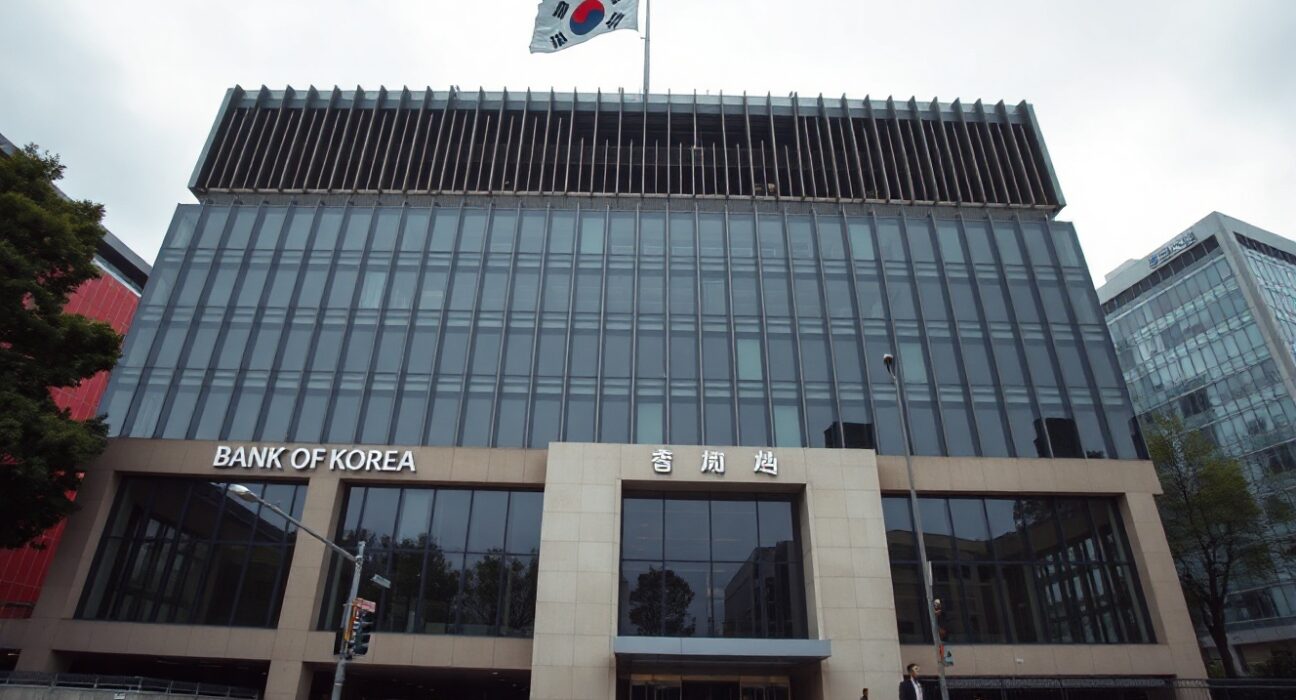
Bank of Korea Governor Shin Hyun-song has signaled a firm stance against what he described as one-sided movements in the foreign exchange market, warning that the central bank is prepared to take decisive action if needed. His comments, reported by Yonhap News, come as the South Korean won continues to trade near multi-year lows against the U.S. dollar, pressured by heightened geopolitical risks and rising crude oil prices.
Geopolitical Tensions Driving Won Weakness
Governor Shin identified the ongoing conflict in the Middle East as the most significant factor behind the won’s recent depreciation. He noted that the situation has triggered a broad risk-averse sentiment among global investors, which typically leads to capital outflows from emerging markets like South Korea. The won, often viewed as a proxy for risk appetite in Asia, has been particularly sensitive to these shifts.
Shin also pointed out that for oil-importing nations such as South Korea, the exchange rate is heavily influenced by crude oil prices. As oil prices have climbed amid supply disruptions and geopolitical uncertainty, the cost of imports has risen, further weakening the won’s value. The U.S. dollar-won exchange rate was trading at 1,506.78 on the day of his remarks, up 0.41% from the previous session.
Potential for Won Strengthening if Conditions Improve
Despite the current weakness, Shin expressed optimism that the won could strengthen considerably if the situation in the Middle East stabilizes. A de-escalation of hostilities would likely reduce risk aversion and lower oil prices, providing a dual boost to the Korean currency. However, he cautioned that the outlook remains highly uncertain and dependent on external developments beyond the central bank’s control.
What This Means for the South Korean Economy
The won’s depreciation has broad implications for South Korea’s economy. A weaker currency increases the cost of imports, particularly energy and raw materials, which can fuel inflation and squeeze corporate margins. For exporters, however, a weaker won can make Korean goods more competitive abroad. The central bank faces a delicate balancing act between supporting growth and maintaining price stability, with Governor Shin’s latest remarks underscoring a willingness to intervene in currency markets to prevent excessive volatility.
Conclusion
Governor Shin Hyun-song’s commitment to addressing one-sided FX moves reflects the Bank of Korea’s proactive approach to managing currency stability. While the near-term outlook for the won remains tied to geopolitical developments in the Middle East and global oil prices, the central bank’s readiness to act provides a measure of reassurance for markets. Investors and businesses will be closely watching for any signs of intervention or shifts in policy stance in the weeks ahead.
FAQs
Q1: Why is the South Korean won weakening?
The won is weakening primarily due to heightened geopolitical tensions in the Middle East, which have increased risk aversion among global investors and driven up crude oil prices. As a major oil importer, South Korea is particularly vulnerable to these factors.
Q2: What does the Bank of Korea governor mean by ‘decisive action’?
Governor Shin’s statement refers to the central bank’s ability to intervene directly in the foreign exchange market, such as by selling U.S. dollar reserves to support the won or adjusting monetary policy tools to influence currency flows.
Q3: How could an improvement in the Middle East affect the won?
If the situation in the Middle East improves, risk aversion is likely to decrease and oil prices could fall. This would reduce pressure on the won, potentially leading to a significant appreciation as investor confidence returns to emerging markets like South Korea.
Disclaimer: The information provided is not trading advice, Bitcoinworld.co.in holds no liability for any investments made based on the information provided on this page. We strongly recommend independent research and/or consultation with a qualified professional before making any investment decisions.
