
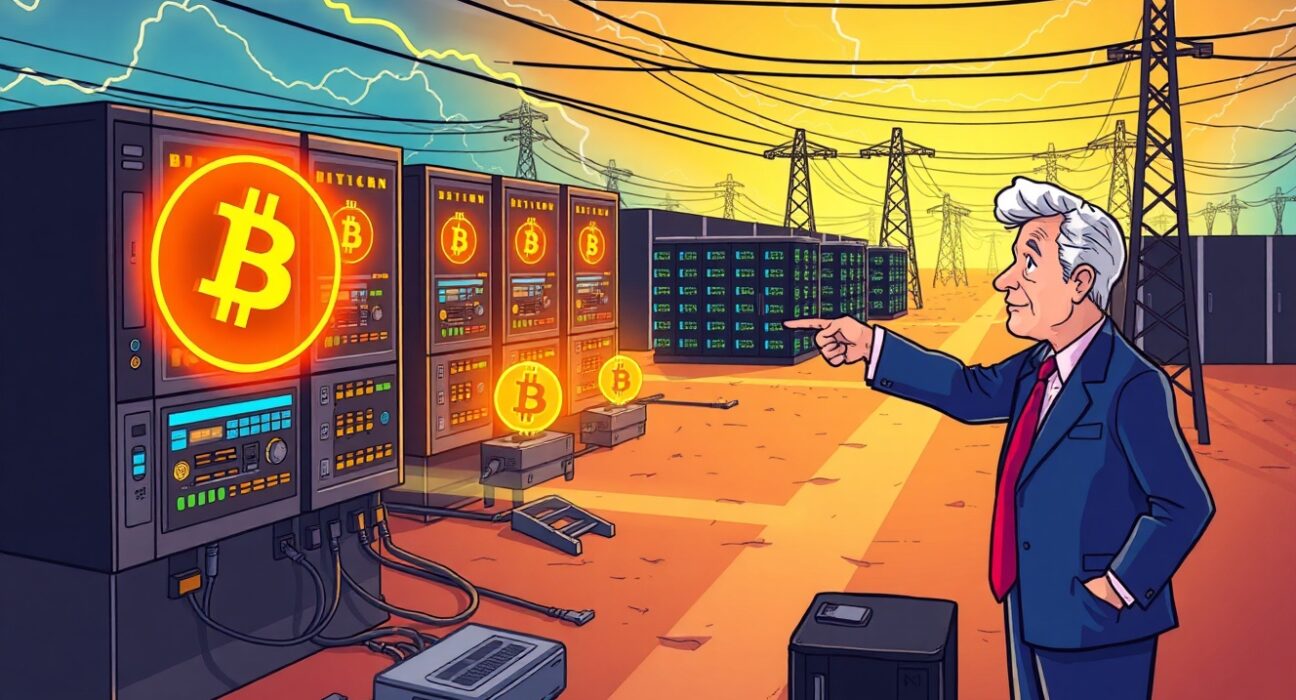
The energy landscape in the United States is buzzing with a groundbreaking proposal that could redefine how major industrial players interact with our power infrastructure. The U.S. Secretary of Energy has put forward a compelling argument: Bitcoin miners and advanced AI data centers should gain direct access to the nation’s robust power grid. This isn’t just a technical tweak; it’s a potential game-changer for energy consumption, innovation, and the future of digital industries.
Why Direct Grid Access Matters for Bitcoin Miners
Imagine a scenario where massive energy consumers like Bitcoin miners no longer navigate complex intermediary channels to power their operations. That’s precisely what the Secretary of Energy is advocating for. In a formal letter to the Federal Energy Regulatory Commission (FERC), the nation’s primary grid regulator, the call was clear: grant these entities direct access to the grid lines designated for large industrial facilities. This move could streamline operations and offer significant advantages.
What are the immediate benefits of such a shift?
- Enhanced Efficiency: Direct connections often mean fewer transmission losses and more stable power delivery, which is crucial for energy-intensive operations.
- Cost Reduction: Bypassing certain distribution layers can lead to lower energy costs for Bitcoin miners, potentially boosting profitability and competitiveness.
- Grid Stability: Believe it or not, large energy consumers like miners can actually help stabilize the grid by offering demand response services, especially when integrated strategically.
Addressing Concerns: The Role of Bitcoin Miners in Energy Stability
While the prospect of direct grid access for Bitcoin miners and AI data centers is exciting, it naturally raises questions about energy demand and environmental impact. Critics often point to the high energy consumption of these operations. However, proponents argue that proper integration could turn perceived challenges into opportunities.
The key lies in smart grid management:
- Load Balancing: Miners can be flexible loads, powering down during peak demand periods to alleviate strain on the grid, then ramping up during off-peak hours.
- Renewable Energy Integration: Direct access could encourage Bitcoin miners to co-locate with renewable energy sources, utilizing surplus power that might otherwise go to waste. This aligns with broader sustainability goals.
- Economic Development: Attracting these facilities can bring investment and jobs to regions, particularly those with abundant but underutilized energy resources.
The Secretary’s request to FERC for a response by April 30, 2026, signals a serious, long-term consideration of this policy, indicating the depth of analysis required for such a significant infrastructure change.
What This Means for the Future of US Energy and Bitcoin Miners
This initiative isn’t just about facilitating operations for Bitcoin miners; it’s about a forward-thinking approach to national energy policy. As AI data centers continue to expand and Bitcoin mining evolves, integrating them directly into the industrial power framework acknowledges their growing importance and potential contributions.
This could pave the way for:
- Innovation in Energy Management: New technologies and strategies for grid optimization.
- Competitive Edge: Positioning the US as a leader in accommodating high-tech industries.
- Policy Clarity: Establishing clear guidelines for how these industries interact with critical infrastructure.
The dialogue between the Department of Energy and FERC is crucial. It represents a proactive step to understand and manage the energy demands of the digital economy, rather than reacting to them.
Navigating the Path Ahead: Challenges and Opportunities for Bitcoin Miners
While the vision is clear, the path to implementation will undoubtedly involve challenges. Regulatory hurdles, public perception, and the sheer scale of integrating new, large industrial loads will require careful planning and collaboration. However, the potential opportunities for energy innovation, economic growth, and enhanced grid resilience are substantial.
The Secretary’s call for direct access for Bitcoin miners and AI data centers is a bold statement. It underscores a recognition that these industries are not fleeting trends but integral components of our modern technological and economic landscape. How FERC responds will set a precedent for how the U.S. manages its energy future in an increasingly digitized world.
In conclusion, the proposal for direct grid access for Bitcoin miners and AI data centers marks a pivotal moment in US energy policy. It signals a strategic intent to integrate these high-demand industries into the national power infrastructure, potentially unlocking benefits in efficiency, cost, and grid stability. While challenges remain, the proactive approach by the Department of Energy highlights a commitment to fostering innovation and securing a resilient energy future. This development is definitely one to watch as the April 2026 response deadline approaches.
Frequently Asked Questions (FAQs)
1. What is the U.S. Secretary of Energy proposing for Bitcoin miners?
The U.S. Secretary of Energy is proposing that Bitcoin miners and AI data centers be allowed direct access to the power grid designated for large industrial facilities.
2. Why is direct grid access beneficial for Bitcoin miners?
Direct access can lead to enhanced efficiency, reduced energy costs, and more stable power delivery, all of which are crucial for energy-intensive Bitcoin miners.
3. How can Bitcoin miners contribute to grid stability?
Bitcoin miners can act as flexible loads, offering demand response services by powering down during peak demand and utilizing surplus energy during off-peak hours, thereby helping to balance the grid.
4. What is FERC’s role in this proposal?
FERC (Federal Energy Regulatory Commission) is the nation’s grid regulator to whom the Secretary of Energy sent the letter, urging them to grant this direct access. FERC is expected to provide a response by April 30, 2026.
5. What is the timeline for FERC’s response?
The Secretary has requested a response from FERC by April 30, 2026.
Did you find this insight into Bitcoin miners and US energy policy illuminating? Share this article with your network on social media to spark a wider conversation about the future of energy and digital industries!
To learn more about the latest explore our article on key developments shaping Bitcoin’s institutional adoption.
Disclaimer: The information provided is not trading advice, Bitcoinworld.co.in holds no liability for any investments made based on the information provided on this page. We strongly recommend independent research and/or consultation with a qualified professional before making any investment decisions.