

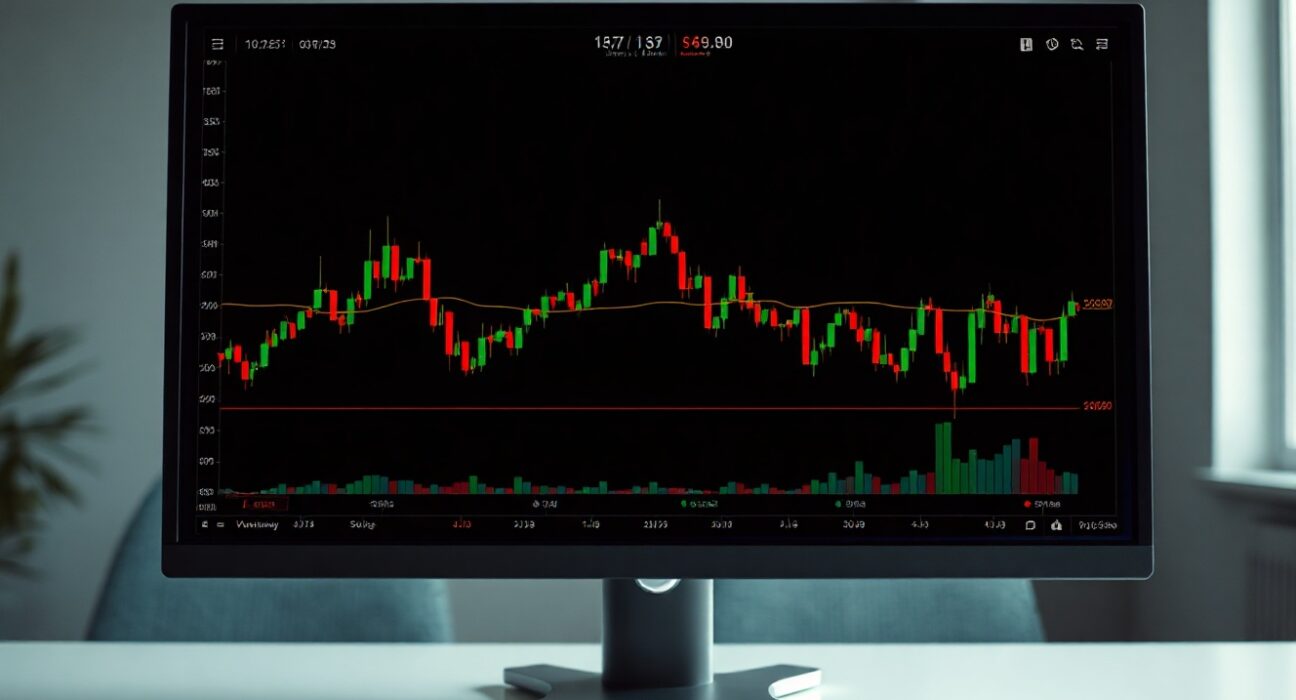
Bitcoin’s realized volatility has fallen to multi-year lows, yet options markets continue to price downside protection at a premium, signaling lingering caution among traders despite the calmer price action.
Why Downside Protection Remains Priced Higher
The gap between implied volatility for puts and calls—often measured by the 25-delta risk reversal—remains skewed toward puts, meaning traders are willing to pay more for insurance against a drop than for upside exposure. This persistent skew reflects a market that is not fully convinced the low-volatility environment will last.
Historically, such skews have preceded sharp moves, and the current premium on downside protection suggests that institutional investors are hedging against potential negative shocks, such as regulatory news or macroeconomic surprises.
What This Means for Bitcoin Traders
For traders, the combination of low realized volatility and a put skew creates a complex landscape. On one hand, low volatility often encourages trend-following strategies and options selling. On the other, the demand for puts indicates that large players are bracing for possible turbulence.
This dynamic can lead to a feedback loop: as volatility remains low, more traders sell options, which caps volatility further, but the underlying anxiety keeps a floor under put prices.
Market Context and Historical Precedents
Similar patterns were observed in late 2018 and mid-2023, where low volatility and a put skew preceded significant price movements. While past performance is not indicative of future results, understanding these signals helps traders position more effectively.
Conclusion
Bitcoin’s low volatility is a notable development, but the premium on downside protection reveals a market that remains cautious. For investors, this divergence between realized and implied expectations is worth monitoring as a potential leading indicator.
FAQs
Q1: Why is downside protection expensive when volatility is low?
Because options pricing is based on expected future volatility, not just past price movement. Traders are paying up for puts because they anticipate potential risks, even if recent price action has been calm.
Q2: What is the 25-delta risk reversal?
It’s a measure of the difference in implied volatility between out-of-the-money calls and puts. A positive value indicates calls are more expensive; a negative value indicates puts are more expensive, which is the current situation for Bitcoin.
Q3: How can traders use this information?
Traders can use the put skew as a sentiment indicator. A persistent premium on puts may signal institutional hedging, which could precede larger market moves. However, it should be used in conjunction with other indicators.
Disclaimer: The information provided is not trading advice, Bitcoinworld.co.in holds no liability for any investments made based on the information provided on this page. We strongly recommend independent research and/or consultation with a qualified professional before making any investment decisions.
