

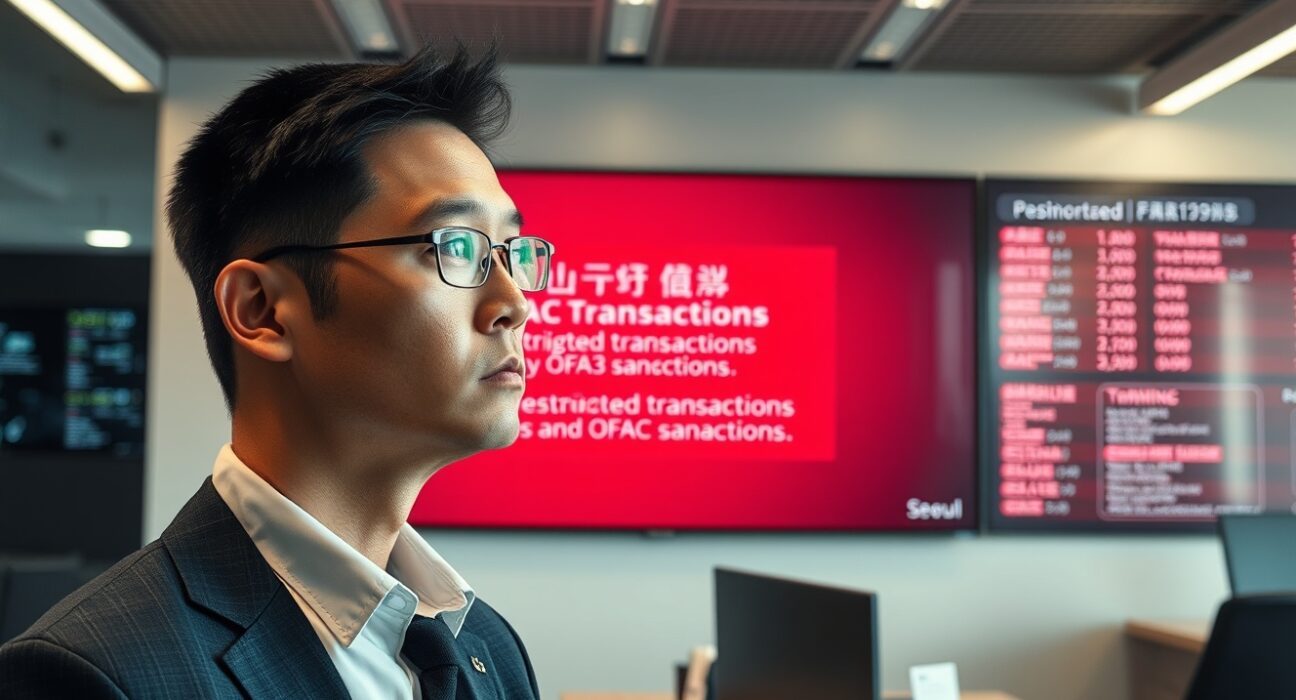
South Korea’s largest cryptocurrency exchange, Bithumb, has announced that it is restricting all cryptocurrency deposits and withdrawals involving three digital asset platforms that were recently sanctioned by the U.S. Treasury Department’s Office of Foreign Assets Control (OFAC). The move, effective immediately, targets Shelbit, Aban Tether, and Crypto Home DMCC, which were added to OFAC’s list for allegedly supporting terrorist groups, including Iran’s Islamic Revolutionary Guard Corps (IRGC), or laundering illicit proceeds.
Background of the Sanctions
OFAC designated the three exchanges as part of a broader crackdown on financial networks that facilitate transactions for designated terrorist organizations. According to the U.S. Treasury, these platforms allowed individuals and entities linked to the IRGC’s Quds Force to move funds, bypassing international financial controls. The sanctions freeze any U.S.-connected assets and prohibit U.S. persons from engaging in transactions with these entities, but their impact extends globally as exchanges and financial institutions align with the measures.
Bithumb’s decision follows similar actions by other global exchanges, reflecting the increasing regulatory pressure on cryptocurrency platforms to comply with international sanctions. The exchange has not specified whether the restriction is temporary or permanent, but it aligns with South Korea’s stringent anti-money laundering (AML) and counter-terrorism financing (CTF) regulations, which require virtual asset service providers to adhere to international standards.
Implications for Users and the Crypto Market
For Bithumb users, this means that any deposits or withdrawals involving Shelbit, Aban Tether, or Crypto Home DMCC will be blocked. This could affect users who transact with these platforms, potentially leading to delays or the need to use alternative channels. The restriction is a precautionary measure to ensure Bithumb remains compliant with international sanctions and avoids legal repercussions.
Why This Matters
This development underscores the growing intersection of cryptocurrency and international law enforcement. As regulators worldwide intensify scrutiny of digital assets, exchanges are increasingly being forced to make difficult decisions that balance user access with compliance. For the broader market, it signals that even decentralized financial systems are not beyond the reach of global sanctions, and that exchanges must proactively monitor and restrict transactions involving sanctioned entities.
Moreover, this action may set a precedent for other exchanges, particularly those in Asia, to adopt similar policies. It also highlights the need for users to be aware of the regulatory status of the platforms they interact with, as their funds could become inaccessible if an exchange is sanctioned.
Conclusion
Bithumb’s restriction on transfers involving OFAC-sanctioned exchanges is a significant step in enforcing international financial laws within the cryptocurrency space. It reflects the growing alignment between national regulators and global standards, and serves as a reminder to users and platforms alike that compliance is paramount. As the situation evolves, further actions may be taken by other exchanges, and users should stay informed about the regulatory landscape to avoid disruptions.
FAQs
Q1: Why did Bithumb restrict transfers involving these exchanges?
Bithumb restricted transfers because Shelbit, Aban Tether, and Crypto Home DMCC were sanctioned by OFAC for allegedly supporting terrorist groups or laundering illicit proceeds. Bithumb is complying with international sanctions to avoid legal issues and maintain regulatory compliance.
Q2: What does this mean for Bithumb users who have funds in these exchanges?
Users who attempt to deposit or withdraw funds involving these sanctioned exchanges will face blocked transactions. They may need to find alternative platforms or methods to move their assets, but should exercise caution given the sanctions.
Q3: Are other exchanges likely to follow Bithumb’s lead?
It is possible. Given the global nature of sanctions and increasing regulatory pressure, other exchanges, especially those in jurisdictions with strict AML laws, may implement similar restrictions to ensure compliance and avoid penalties.
Disclaimer: The information provided is not trading advice, Bitcoinworld.co.in holds no liability for any investments made based on the information provided on this page. We strongly recommend independent research and/or consultation with a qualified professional before making any investment decisions.
