

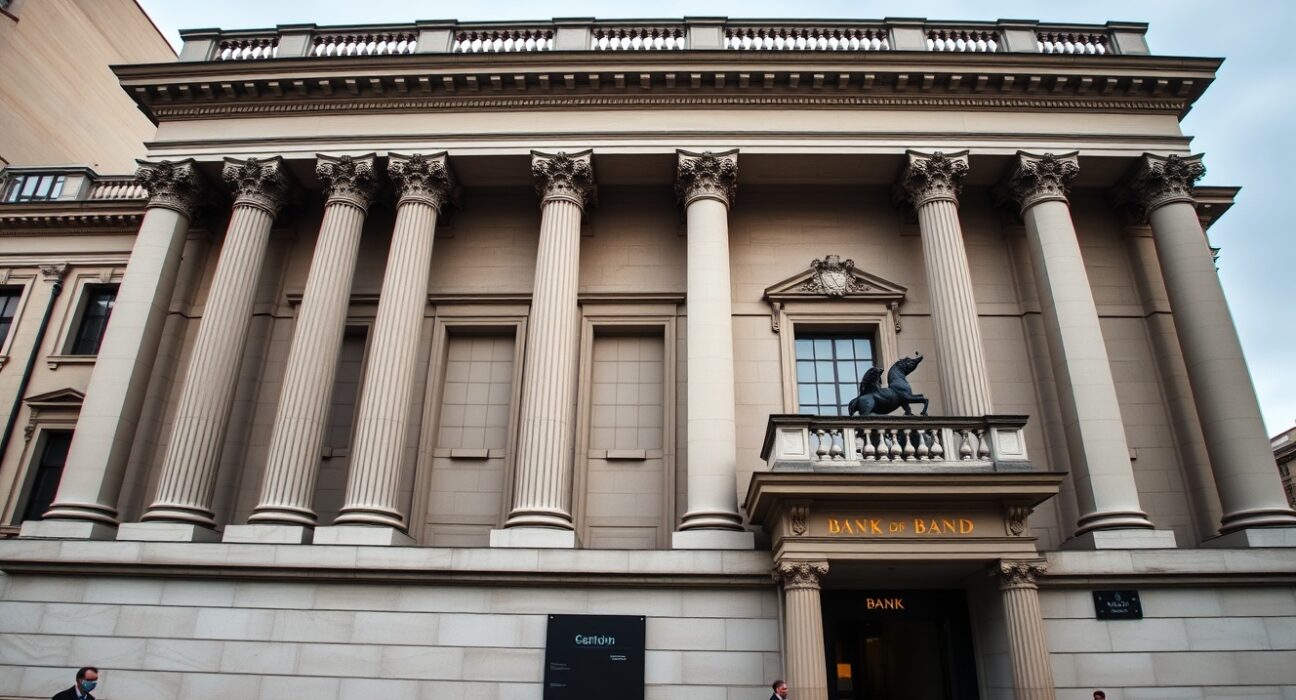
Bank of England (BoE) Monetary Policy Committee (MPC) member Catherine Greene has signaled that inflation risks remain skewed to the upside, a stance that suggests the central bank may proceed cautiously with any future interest rate cuts. Speaking in a recent public engagement, Greene emphasized that while headline inflation has moderated, underlying price pressures and wage growth continue to pose threats to the BoE’s 2% target.
Greene’s Inflation Assessment
Greene, who joined the MPC in 2023, highlighted that domestic inflation drivers, particularly in the services sector and labor market, remain elevated. She noted that the economy has shown more resilience than previously expected, which could keep price growth sticky. Her remarks align with a more hawkish wing within the committee, cautioning against premature loosening of monetary policy. The BoE has held its base rate at 5.25% since August 2024, with markets now pricing in a first cut potentially later in 2025.
Market and Economic Implications
The comments come at a critical juncture for UK monetary policy. Investors have been weighing the timing of rate reductions as the economy navigates a patchy recovery. Greene’s warning suggests that the MPC’s decision-making will remain data-dependent, with a bias toward maintaining restrictive conditions until there is clearer evidence that inflation is sustainably returning to target. This outlook may temper expectations for aggressive easing, influencing gilt yields and sterling exchange rates in the near term.
Why This Matters for Households and Businesses
For UK households, persistently higher interest rates mean continued elevated borrowing costs for mortgages, credit cards, and business loans. While savers benefit from improved returns, the broader economic environment remains tight. Businesses, particularly in consumer-facing sectors, face ongoing pressure from input costs and wage demands. Greene’s assessment reinforces that the BoE is not yet ready to declare victory over inflation, urging patience among those hoping for imminent relief.
Conclusion
Catherine Greene’s remarks serve as a reminder that the battle against inflation is not yet over. The BoE’s focus on upside risks suggests that rate cuts are unlikely in the immediate future, with the committee prioritizing credibility and long-term price stability over short-term economic stimulus. Markets and consumers alike should brace for a continued period of tight monetary policy.
FAQs
Q1: What did Catherine Greene say about inflation?
She stated that inflation risks are tilted to the upside, meaning there is a greater chance that price growth could accelerate again rather than slow down, partly due to persistent domestic pressures.
Q2: How might this affect UK interest rates?
Greene’s comments suggest the Bank of England is likely to keep interest rates higher for longer, delaying potential cuts until there is stronger evidence that inflation is under control.
Q3: Why does this matter for the average person?
Higher-for-longer rates mean mortgage payments, loan costs, and credit card interest remain elevated, while savings accounts may offer better returns. It also signals that the cost of living squeeze may persist for a while longer.
Disclaimer: The information provided is not trading advice, Bitcoinworld.co.in holds no liability for any investments made based on the information provided on this page. We strongly recommend independent research and/or consultation with a qualified professional before making any investment decisions.
