

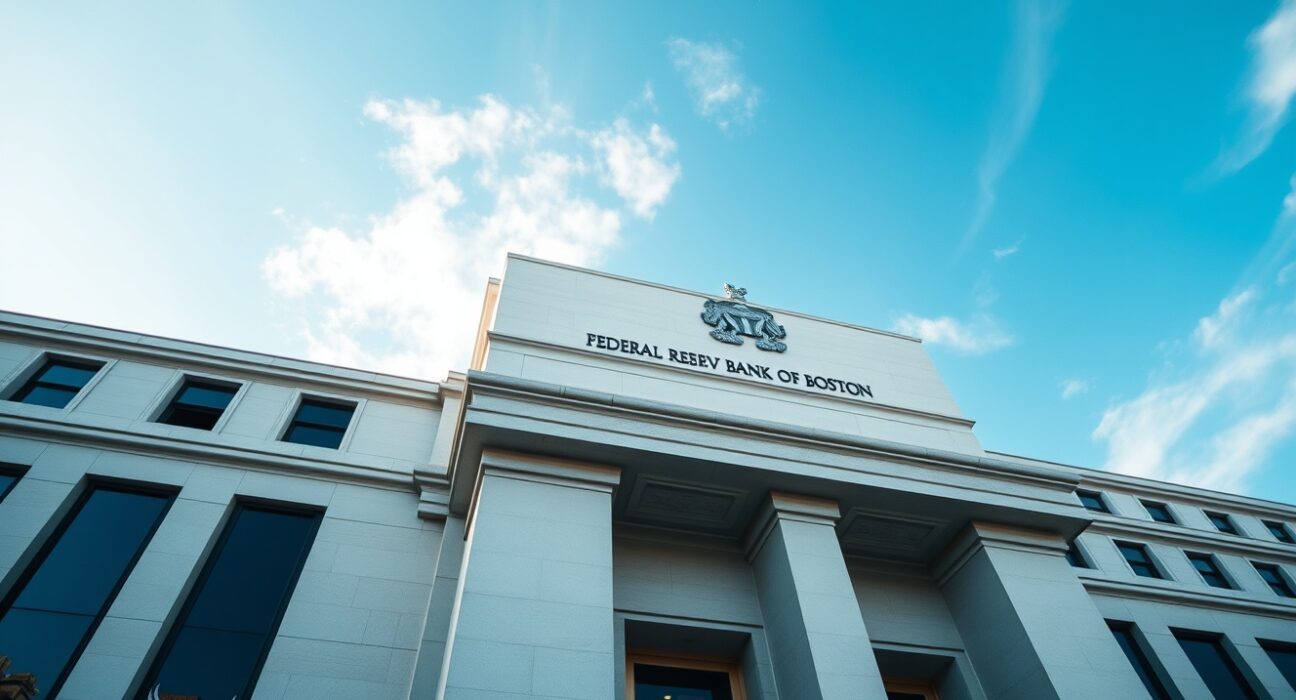
Federal Reserve Bank of Boston President Susan Collins indicated on Monday that the central bank may need to raise interest rates further to bring inflationary pressures under control, signaling a more hawkish stance amid persistent price growth.
Collins Signals Openness to Further Tightening
Speaking at an economic forum in Boston, Collins stated that while the Fed has made progress in lowering inflation from its peak, the pace of improvement has slowed, and the current data does not yet warrant a pause. She emphasized that if inflation remains sticky, a rate hike could be necessary.
“The recent data suggests that we are not yet at a point where we can be confident that inflation is on a sustained path back to 2 percent,” Collins said. “If the situation calls for it, I would not rule out further increases in the federal funds rate.”
Her comments align with a growing chorus of Fed officials who have recently pushed back against market expectations of imminent rate cuts. The central bank has held rates steady at its last two meetings, but Collins’ remarks suggest that the door remains open to additional tightening.
Market and Economic Implications
Collins’ warning comes at a time when financial markets have been pricing in a potential rate cut later this year. Her statement could recalibrate those expectations, potentially leading to higher bond yields and a stronger dollar in the short term.
For consumers and businesses, the prospect of higher borrowing costs means that mortgages, credit card rates, and business loans could remain elevated for longer. This could slow economic activity, particularly in interest-rate-sensitive sectors like housing and capital investment.
Why This Matters
The Federal Reserve’s interest rate decisions have a direct impact on the cost of credit, employment levels, and overall economic growth. Collins’ remarks provide a key insight into the internal debate at the Fed, where policymakers are divided between those who see the need for further tightening and those who believe the current rate level is sufficient.
Her position as a voting member of the Federal Open Market Committee this year gives her comments added weight, making her statement a significant data point for analysts and investors monitoring the path of monetary policy.
Conclusion
Susan Collins’ suggestion that a rate hike may be necessary underscores the Fed’s ongoing struggle to fully tame inflation without triggering a recession. Markets will now closely watch upcoming economic data, particularly the next Consumer Price Index and jobs reports, for clues on the central bank’s next move. For now, the message from Boston is clear: the fight against inflation is not over.
FAQs
Q1: Is a rate hike definitely happening?
No. Collins said it may be necessary, but the decision will depend on incoming economic data, particularly inflation and employment figures.
Q2: How would a rate hike affect the average consumer?
Higher interest rates typically lead to increased costs for loans, credit cards, and mortgages, while savings accounts may earn slightly more interest.
Q3: When is the next Fed meeting?
The Federal Open Market Committee is scheduled to meet next in mid-June 2026, where the rate decision will be announced.
Disclaimer: The information provided is not trading advice, Bitcoinworld.co.in holds no liability for any investments made based on the information provided on this page. We strongly recommend independent research and/or consultation with a qualified professional before making any investment decisions.
