

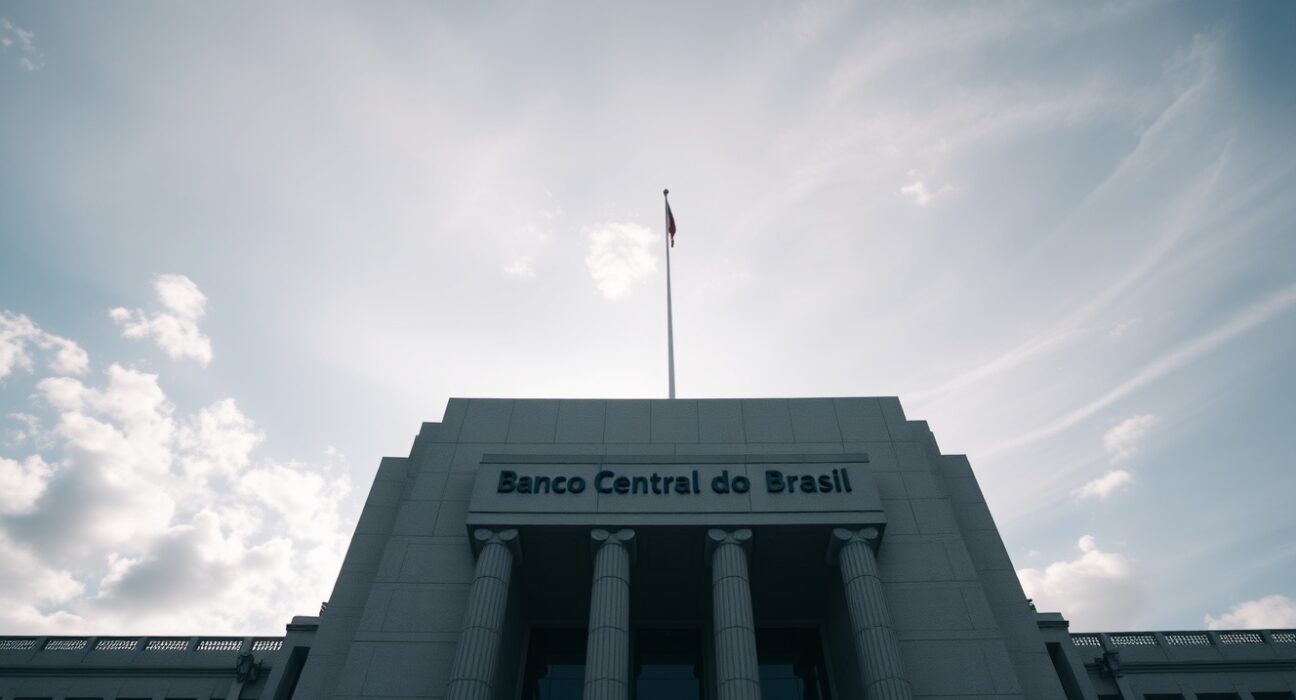
In a significant shift in monetary policy strategy, Brazil’s central bank has entered the dollar futures market for the first time in ten years, intervening to support the Brazilian real amid mounting pressure from a strengthening U.S. dollar and persistent fiscal concerns. The move, announced on [insert date if known, otherwise use ‘this week’], marks a departure from the bank’s recent reliance on spot market operations and signals heightened concern over currency volatility.
A Decade-Long Policy Reversal
The last time the Banco Central do Brasil used futures contracts to influence the exchange rate was in 2015, during a period of severe economic recession and political instability. The current intervention comes as the real has depreciated sharply against the dollar, driven by global risk aversion, higher U.S. interest rates, and domestic uncertainty over the government’s fiscal trajectory. By operating in the futures market, the central bank aims to reduce speculative pressure and smooth short-term exchange rate fluctuations without directly depleting international reserves.
Mechanics and Market Reaction
The central bank’s intervention involves selling dollar futures contracts, effectively increasing the supply of dollars in the derivatives market and encouraging a stronger real. Market participants reacted with a mix of surprise and caution. The real briefly strengthened following the announcement, but analysts remain divided on whether the move will provide lasting stability. The central bank has not disclosed the total size of the operation, but market estimates suggest it could involve billions of dollars in notional value.
Why This Matters for Investors and the Economy
Brazil’s reliance on futures market intervention reflects a broader challenge faced by emerging market economies: balancing the need for currency stability against the risk of capital flight. A weaker real increases the cost of imported goods, fuels inflation, and complicates the central bank’s interest rate decisions. For Brazilian businesses and consumers, the intervention could help contain price pressures in the short term, but sustained effectiveness will depend on the government’s ability to address underlying fiscal imbalances.
Conclusion
The central bank’s return to the dollar futures market after a decade-long hiatus underscores the severity of the current currency pressures and the limits of conventional policy tools. While the intervention may provide temporary relief, long-term stability for the real will require credible fiscal reforms and a more favorable global interest rate environment. Market participants will closely monitor the central bank’s next steps and any signals regarding future intervention strategies.
FAQs
Q1: Why did Brazil’s central bank intervene in the dollar futures market?
The central bank intervened to support the Brazilian real, which had depreciated significantly due to a strong U.S. dollar, global risk aversion, and domestic fiscal uncertainty. Using futures allows the bank to influence the exchange rate without directly spending foreign reserves.
Q2: How does selling dollar futures help the real?
By selling dollar futures contracts, the central bank increases the supply of dollars in the derivatives market, which can reduce speculative demand for the dollar and help the real appreciate or stabilize.
Q3: Is this intervention likely to succeed in the long term?
Analysts are cautious. While futures interventions can provide short-term relief, sustained currency stability depends on fundamental economic factors, including fiscal discipline, inflation control, and global market conditions.
Disclaimer: The information provided is not trading advice, Bitcoinworld.co.in holds no liability for any investments made based on the information provided on this page. We strongly recommend independent research and/or consultation with a qualified professional before making any investment decisions.
