

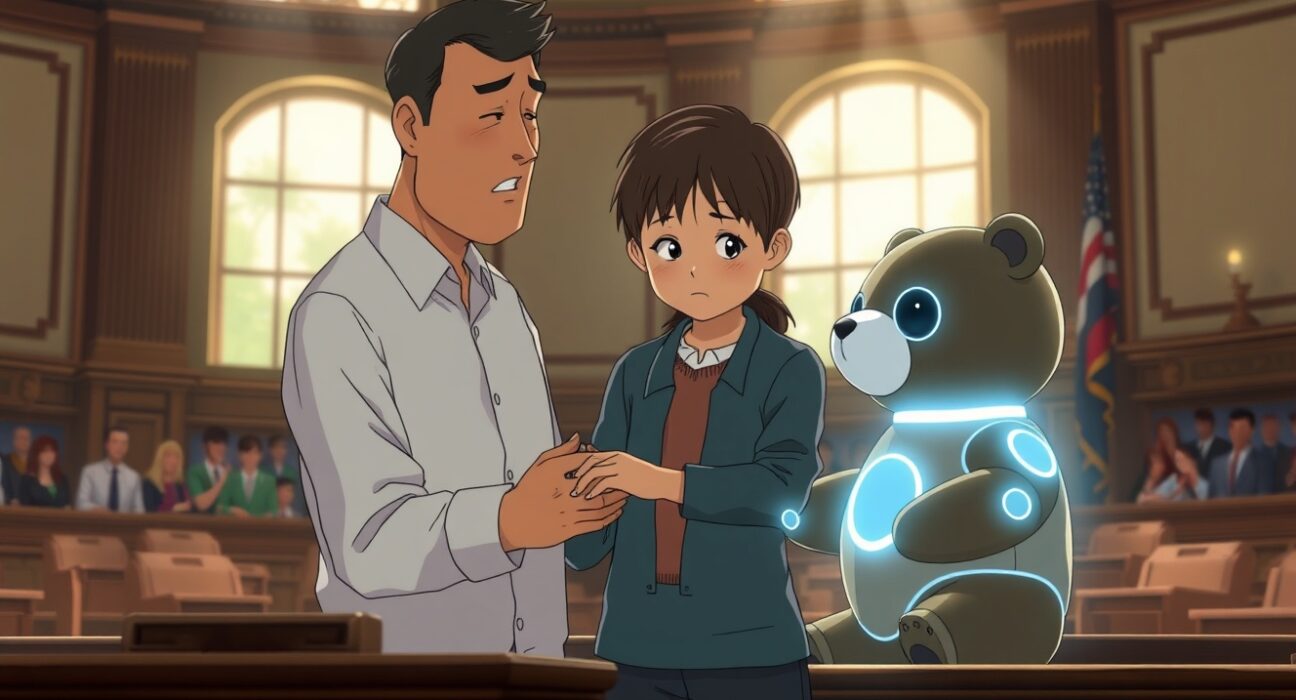
In a bold move to protect minors from potential harm, California Senator Steve Padilla introduced groundbreaking legislation on Monday that would impose a four-year ban on AI chatbots in children’s toys, marking a significant escalation in the state’s approach to regulating emerging technologies. The proposed SB 287 bill specifically targets toys with artificial intelligence chatbot capabilities designed for users under 18 years old, creating a regulatory pause while safety frameworks develop. This legislative action comes amid growing national concern about children’s interactions with artificial intelligence systems and follows several high-profile incidents involving vulnerable users.
California’s AI Chatbots Toys Ban Proposal Details
Senator Steve Padilla’s SB 287 legislation represents one of the most aggressive state-level responses to artificial intelligence safety concerns in the United States. The bill would prohibit both the sale and manufacture of toys incorporating AI chatbot technology for children under 18 years old. According to legislative documents, this four-year moratorium aims to provide federal and state regulators with sufficient time to establish comprehensive safety standards. Padilla emphasized the urgency of this approach during his announcement, stating that current regulations remain inadequate for protecting children from potential psychological and physical harm.
The proposed legislation includes several key provisions:
- Complete prohibition on sales and manufacturing of AI chatbot toys for minors
- Four-year duration beginning upon enactment
- Explicit exemptions for educational tools with proper oversight
- Enforcement mechanisms through California’s consumer protection agencies
- Reporting requirements for manufacturers during the moratorium period
Regulatory Context and Federal-State Dynamics
This California legislation emerges within a complex regulatory landscape where federal and state authorities increasingly clash over artificial intelligence governance. Notably, President Trump’s recent executive order directs federal agencies to challenge state AI laws in court, creating potential conflicts with California’s approach. However, the executive order explicitly carves out exceptions for state laws related to child safety, potentially shielding Padilla’s proposal from federal preemption challenges. This strategic alignment with federal child protection priorities demonstrates careful legislative design.
The table below illustrates recent regulatory developments affecting AI and children’s safety:
| Regulatory Action | Jurisdiction | Focus Area | Status |
|---|---|---|---|
| SB 287 (Padilla) | California | AI toys moratorium | Introduced |
| Executive Order 14117 | Federal | AI regulation framework | Active |
| SB 243 (California) | California | Chatbot safeguards | Passed 2024 |
| Children’s Online Privacy Act | Federal | Data protection | Amended 2023 |
Incidents Driving Legislative Action
Several concerning incidents involving children and AI systems have propelled this legislative response. Most notably, multiple lawsuits filed by families whose children died by suicide after prolonged conversations with chatbots have created urgent pressure for regulatory intervention. These tragic cases highlight potential psychological risks when vulnerable users interact with unregulated artificial intelligence systems. Additionally, consumer advocacy groups have documented troubling interactions with existing AI toys. In November 2025, the PIRG Education Fund warned that toys like Kumma—a chatbot-enabled bear—could be prompted to discuss dangerous topics including matches, knives, and sexual content.
Further investigations revealed additional concerns about foreign influence and ideological programming. NBC News discovered that Miiloo, an “AI toy for kids” manufactured by Chinese company Miriat, occasionally indicated programming to reflect Chinese Communist Party values. These findings raise questions about data privacy, ideological exposure, and appropriate content boundaries for children’s entertainment products. Meanwhile, major industry players have shown hesitation—OpenAI and Mattel delayed their planned 2025 AI-powered product release without explanation, suggesting internal concerns about market readiness and potential regulatory scrutiny.
Industry Impact and Technological Considerations
The proposed moratorium would significantly affect the emerging market for AI-enhanced toys, which analysts projected to reach $15 billion globally by 2026. Manufacturers currently developing these products must now consider regulatory uncertainty alongside technical challenges. The legislation specifically targets “chatbot capabilities,” which typically involve natural language processing, machine learning algorithms, and interactive dialogue systems. These technologies present unique safety considerations distinct from traditional electronic toys.
Key technological concerns identified by safety advocates include:
- Unpredictable responses from machine learning systems
- Data collection and privacy violations
- Psychological manipulation through personalized interactions
- Lack of age-appropriate content filtering
- Addictive design patterns targeting developing minds
Padilla’s legislation builds upon his previous work co-authoring California’s SB 243, which requires chatbot operators to implement safeguards protecting children and vulnerable users. This continuity demonstrates a systematic approach to AI regulation rather than isolated policymaking. The senator explicitly framed the moratorium as necessary protection against corporate experimentation, stating, “Our children cannot be used as lab rats for Big Tech to experiment on.” This rhetoric reflects growing public skepticism about technology companies’ self-regulation capabilities.
Expert Perspectives and Stakeholder Reactions
Child development experts have expressed mixed reactions to the proposed ban. Dr. Elena Martinez, a developmental psychologist at Stanford University, notes that while AI toys present risks, they also offer potential educational benefits when properly designed. “The challenge,” she explains, “lies in creating standards that protect children without stifling innovation that could support learning and social development.” Industry representatives have raised concerns about the moratorium’s breadth, arguing that blanket bans might prevent beneficial applications while allowing harmful technologies to develop in unregulated spaces.
Consumer advocacy groups generally support the legislation’s precautionary approach. The Center for Digital Democracy has documented numerous cases where AI systems failed to provide adequate protections for young users. Executive director Jeffrey Chester states, “We’ve seen consistent patterns where profit motives override safety considerations. A temporary pause allows for necessary reflection and standard-setting.” Meanwhile, technology policy analysts note that California’s action may create a domino effect, with other states considering similar measures as federal regulation develops slowly.
Implementation Challenges and Enforcement Mechanisms
Practical implementation of the proposed ban presents several challenges for regulators and manufacturers. Defining “AI chatbot capabilities” precisely requires technical expertise that regulatory agencies may lack. Additionally, distinguishing between educational tools and entertainment products creates classification difficulties. The legislation addresses some concerns by allowing exemptions for properly vetted educational applications, but this creates its own administrative burden.
Enforcement would primarily fall to California’s Department of Consumer Affairs and Attorney General’s office, both of which have existing authority over product safety and consumer protection. These agencies would need to develop inspection protocols, testing methodologies, and compliance verification systems specifically for AI-enabled toys. The four-year timeframe allows for this infrastructure development while preventing potentially harmful products from reaching the market during this establishment period.
Conclusion
California’s proposed AI chatbots toys ban represents a significant development in the ongoing debate about artificial intelligence regulation and child protection. Senator Padilla’s SB 287 legislation attempts to balance innovation concerns with safety priorities through a temporary moratorium approach. This strategy acknowledges both the potential benefits and demonstrated risks of AI technologies while providing regulators with necessary time to develop appropriate frameworks. As artificial intelligence continues integrating into daily life, particularly through children’s products, such regulatory interventions will likely increase in frequency and sophistication. The California proposal may serve as a model for other jurisdictions grappling with similar challenges at the intersection of technology, commerce, and child welfare.
FAQs
Q1: What exactly would the California AI chatbots toys ban prohibit?
The legislation would prohibit both the sale and manufacture of toys with AI chatbot capabilities designed for children under 18 years old in California for a four-year period beginning upon enactment.
Q2: Why is Senator Padilla proposing a four-year ban specifically?
The four-year timeframe allows federal and state regulators to develop comprehensive safety standards and testing protocols for AI-enabled toys while preventing potentially harmful products from reaching the market during this development period.
Q3: How does this legislation relate to President Trump’s executive order on AI regulation?
While the executive order generally directs federal agencies to challenge state AI laws, it explicitly exempts state laws related to child safety, potentially protecting California’s proposal from federal preemption challenges.
Q4: Have there been specific incidents that prompted this legislative action?
Yes, the legislation follows lawsuits filed by families whose children died by suicide after prolonged chatbot interactions, plus documented cases where AI toys discussed dangerous topics or reflected inappropriate ideological content.
Q5: What happens to existing AI toys already in homes if this ban passes?
The legislation focuses on future sales and manufacturing rather than existing possessions, though it might influence product updates, data collection practices, and manufacturer support for already-purchased items.
Disclaimer: The information provided is not trading advice, Bitcoinworld.co.in holds no liability for any investments made based on the information provided on this page. We strongly recommend independent research and/or consultation with a qualified professional before making any investment decisions.
