

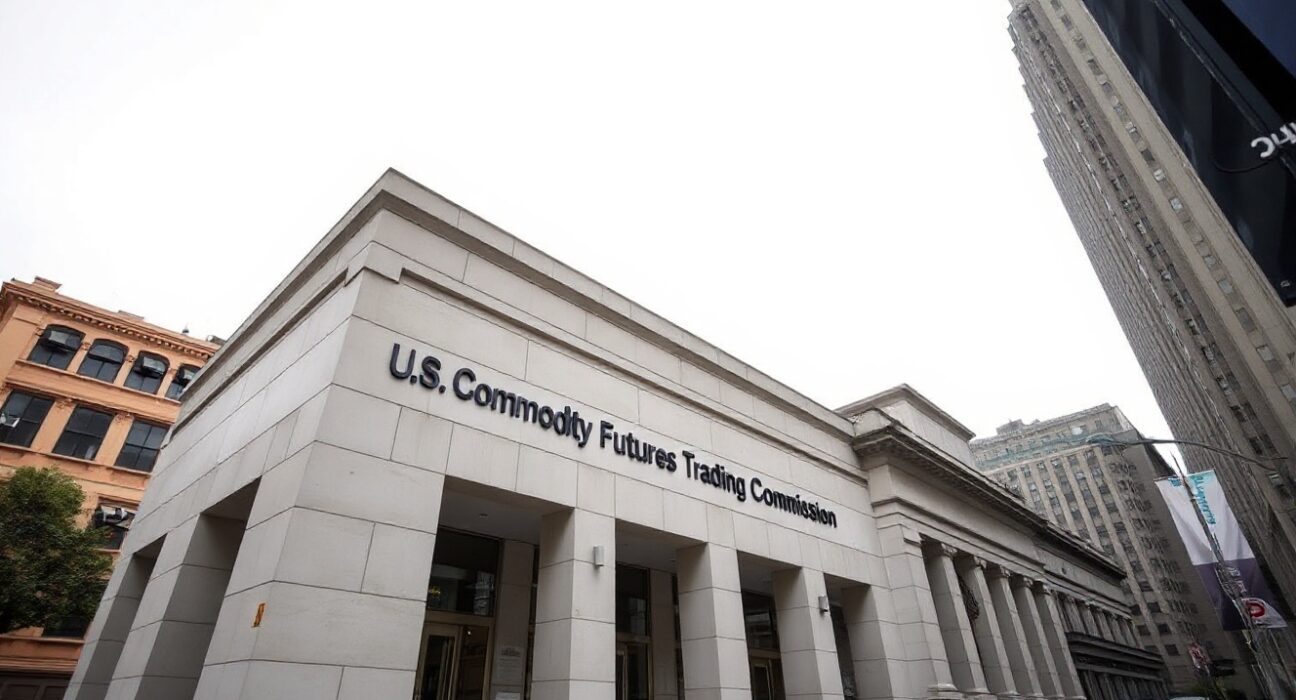
The U.S. Commodity Futures Trading Commission (CFTC) has unveiled a new set of proposed regulations for prediction markets, a move that could reshape the legal landscape for event-based wagering in the United States. According to a report by The Wall Street Journal, the proposal would explicitly permit sports-related betting while establishing robust safeguards against market manipulation. At the same time, it would impose a complete ban on wagers tied to events with a high risk of insider trading, including those related to war, terrorism, and assassinations.
Regulatory Framework and Key Provisions
The proposed rules aim to create a clearer legal structure for prediction markets, which have grown rapidly in popularity but have also faced scrutiny over their potential for abuse. Under the new framework, contracts on sporting events would be allowed, provided they meet certain transparency and liquidity standards. The CFTC is particularly focused on preventing manipulation, requiring market operators to implement surveillance systems and reporting mechanisms.
In contrast, the proposal categorically prohibits event contracts based on political violence, armed conflicts, and targeted killings. These categories were singled out because they are inherently susceptible to non-public information, making them difficult to regulate fairly. The CFTC’s approach reflects a growing concern that certain prediction markets could become vehicles for insider trading, undermining public trust in the broader financial system.
Political and Legal Context
The regulatory discussions come at a politically sensitive time. The Wall Street Journal noted that recent indictments and allegations involving insider trading in prediction markets have added urgency to the CFTC’s efforts. Lawmakers from both parties have expressed interest in the issue, though opinions differ on how broadly the rules should apply. Some consumer advocacy groups have praised the ban on war-related contracts, while sports leagues have cautiously welcomed the clarity on sports betting.
The CFTC’s proposal is still in the comment period, meaning the final rules could change based on public input and congressional pressure. The agency is expected to weigh feedback from market participants, legal experts, and the general public before issuing a final rule.
Implications for Market Participants and Investors
For investors and traders, the proposed rules signal a more defined regulatory environment, which could encourage the growth of compliant prediction platforms. However, the ban on certain contract types may limit the scope of available markets. The CFTC’s emphasis on anti-manipulation measures could also increase compliance costs for operators, potentially leading to higher fees or reduced liquidity in some areas.
From a consumer protection standpoint, the rules aim to prevent the kind of information asymmetry that can harm retail participants. By prohibiting contracts on events where inside knowledge is a significant advantage, the CFTC is attempting to level the playing field and maintain market integrity.
Conclusion
The CFTC’s proposed prediction market rules represent a significant step toward formalizing a previously gray area of U.S. financial regulation. By permitting sports betting while banning wagers on war, terrorism, and assassinations, the agency is attempting to balance innovation with investor protection. As the comment period unfolds, the final shape of these rules will depend on how the CFTC navigates the complex interplay between market freedom, political pressure, and the need to prevent abuse.
FAQs
Q1: What are prediction markets?
Prediction markets are platforms where participants trade contracts based on the outcome of future events, such as sports games, elections, or geopolitical developments. They are sometimes called event contracts or betting exchanges.
Q2: Why is the CFTC banning contracts on war and assassinations?
The CFTC argues that these events are highly susceptible to insider trading because non-public information can give certain participants an unfair advantage. Banning them is intended to protect market integrity and prevent manipulation.
Q3: Will sports betting be fully legal under the new rules?
The proposal permits sports-related contracts, but they must meet specific regulatory standards, including transparency, liquidity, and anti-manipulation safeguards. The final rules may include additional conditions after the public comment period.
Disclaimer: The information provided is not trading advice, Bitcoinworld.co.in holds no liability for any investments made based on the information provided on this page. We strongly recommend independent research and/or consultation with a qualified professional before making any investment decisions.
