

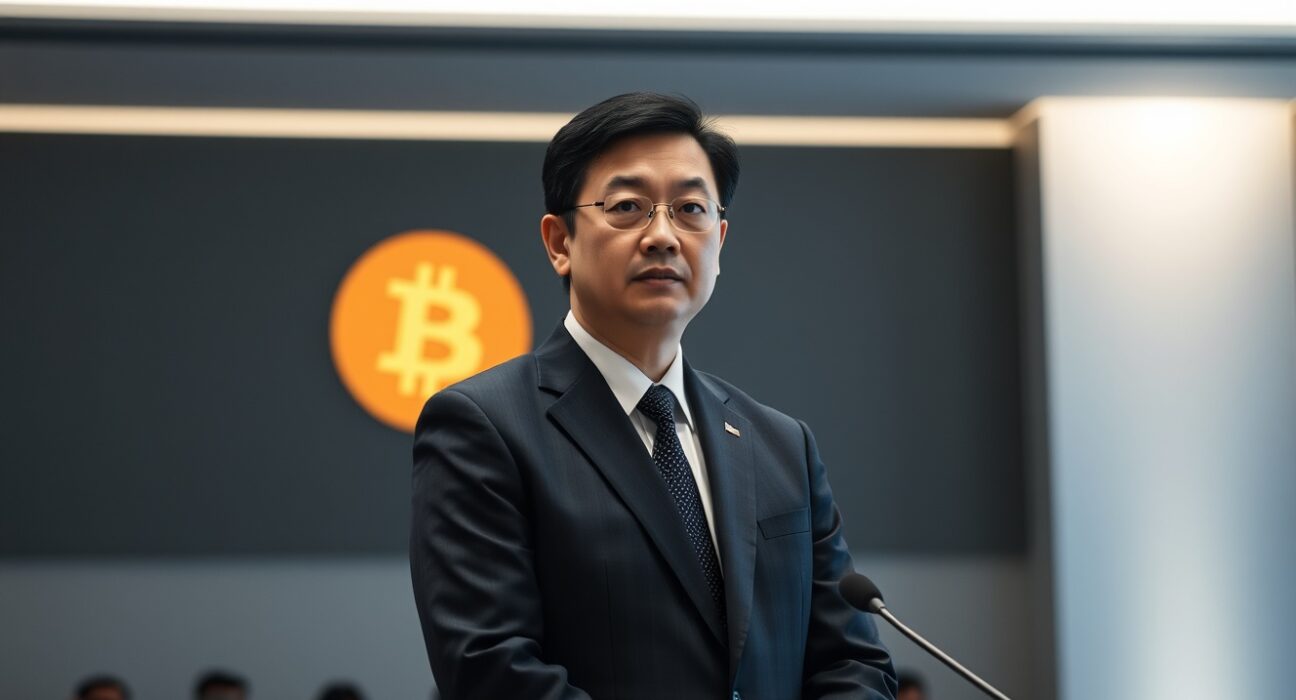
Binance founder Changpeng Zhao has suggested that Asian countries are likely to accumulate Bitcoin reserves in a discreet manner, pointing to cultural and strategic differences compared to Western nations. Speaking at a recent industry event, Zhao argued that the prevailing narrative of cryptocurrency disrupting traditional finance is fundamentally inaccurate, and warned that banks ignoring the technology risk obsolescence.
Quiet Accumulation and Cultural Mindset
Zhao emphasized that Asian governments and institutions tend to operate with a longer-term, less publicly declarative approach to strategic asset accumulation. Rather than making grand announcements about Bitcoin adoption, Zhao posited that these nations may prefer to build reserves gradually and quietly, avoiding market disruption and political scrutiny. This contrasts with the more vocal approach seen in some Western countries and corporations.
Reframing the Crypto Disruption Narrative
The Binance co-founder pushed back against the common characterization of cryptocurrency as a disruptive force aimed at toppling traditional banking. Instead, Zhao framed the technology as an inevitable evolution within finance. He warned that financial institutions that fail to integrate digital assets and blockchain-based systems risk being left behind by a changing market, not overthrown by it. This perspective suggests a future of co-existence rather than replacement.
Transparency and Illicit Activity
Addressing common criticisms, Zhao highlighted that cryptocurrency transactions are significantly more transparent and traceable than those in traditional finance. He argued that the immutable nature of blockchain ledgers makes illicit activity easier to detect, contrary to popular belief. Zhao stated that the rate of illicit transactions in crypto is actually much lower than in the fiat system, a point often overlooked in public discourse.
Implications for the Market and Regulators
Zhao’s comments carry weight given his role as a central figure in the global crypto industry. If Asian nations do pursue quiet Bitcoin accumulation, it could have significant implications for market dynamics, price stability, and regulatory frameworks. For investors and policymakers, understanding these cultural and strategic nuances is critical. The remarks also underscore a growing divide between public perception and the operational reality of digital assets, particularly regarding transparency and risk.
Conclusion
Changpeng Zhao’s insights offer a nuanced view of the future of cryptocurrency adoption on a global scale. By suggesting that Asian nations may accumulate Bitcoin reserves quietly, and by challenging the disruption narrative, he provides a perspective that emphasizes integration and evolution over conflict. For readers, the key takeaway is that the crypto landscape is more complex than headlines suggest, with strategic accumulation likely occurring away from the public eye.
FAQs
Q1: Why would Asian nations accumulate Bitcoin quietly?
According to Changpeng Zhao, cultural and strategic mindsets in Asia favor discreet, long-term asset accumulation to avoid market disruption and political attention, unlike the more declarative Western approach.
Q2: Is cryptocurrency really more transparent than traditional finance?
Zhao argues yes, because blockchain technology records all transactions on a public, immutable ledger, making illicit activity more traceable than in opaque traditional banking systems.
Q3: What does Zhao mean by the disruption narrative being incorrect?
He suggests that crypto is not trying to destroy traditional finance but is evolving alongside it. Banks that ignore the technology risk being left behind, not overthrown.
Disclaimer: The information provided is not trading advice, Bitcoinworld.co.in holds no liability for any investments made based on the information provided on this page. We strongly recommend independent research and/or consultation with a qualified professional before making any investment decisions.
