

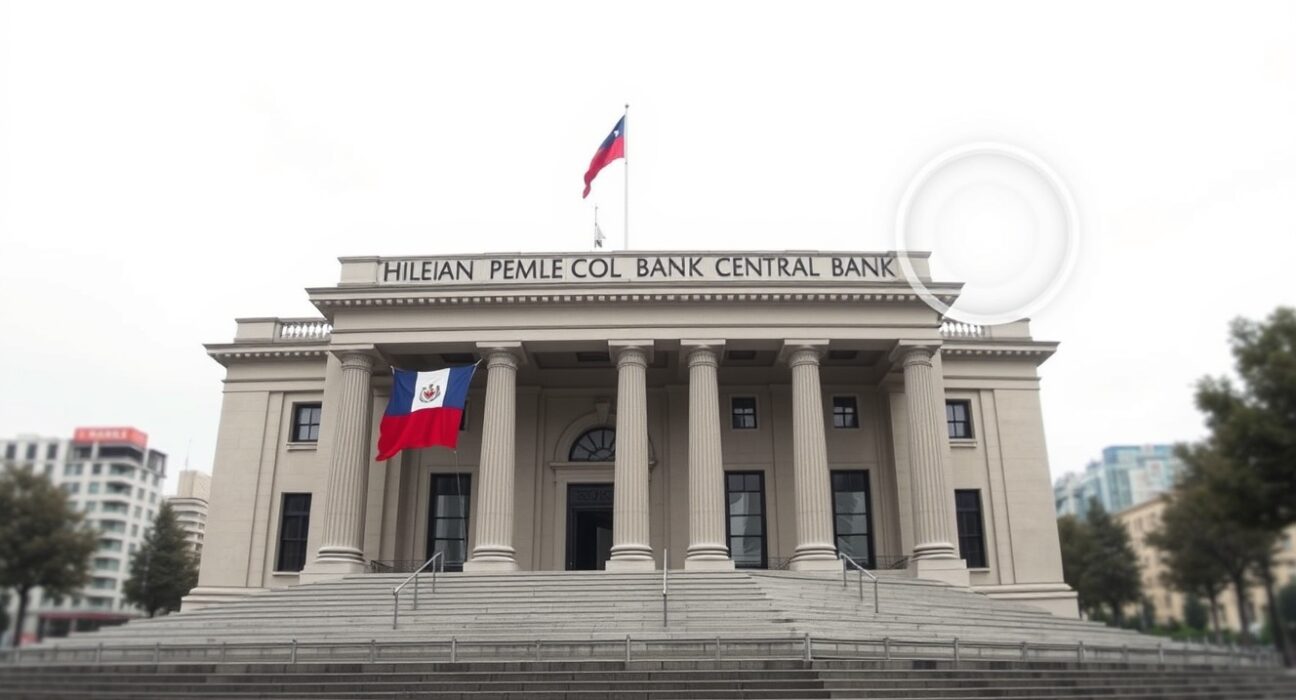
Chile’s central bank holds its benchmark interest rate at 4.50% during its March 2025 meeting. The decision directly responds to the escalating Middle East oil shock risk. Policymakers prioritize price stability over growth. They cite geopolitical tensions as the primary threat to inflation. This move surprises few market analysts. It reflects a cautious stance amid global uncertainty.
Chile Central Bank Holds Rate Steady Amid Oil Shock Fears
The unanimous vote keeps the rate unchanged for the third consecutive meeting. The board states that the Middle East oil shock risk remains the key variable. A sustained oil price surge could derail Chile’s disinflation process. The bank’s statement emphasizes vigilance. It notes that domestic demand shows signs of cooling. However, external risks dominate the outlook. The decision aligns with the bank’s commitment to anchoring inflation expectations. Chile’s annual inflation rate currently sits at 3.8%. This figure remains above the 3% target. The central bank projects a gradual return to target by late 2026.
Market participants had priced in a 70% probability of a hold. The remaining 30% expected a 25-basis-point cut. The decision triggers a slight strengthening of the Chilean peso. Bond yields edge lower as traders adjust positions. The bank’s forward guidance remains data-dependent. It does not signal any imminent easing cycle. This cautious approach contrasts with other Latin American central banks. For instance, Brazil and Mexico have recently cut rates. Chile’s unique exposure to oil imports drives its more conservative stance.
Middle East Oil Shock Risk Drives Chile’s Monetary Policy
The Middle East oil shock risk stems from recent geopolitical developments. Tensions in the Strait of Hormuz have intensified. This chokepoint handles about 20% of global oil transit. Any disruption could spike crude prices by 30% or more. Chile imports nearly all its oil. It has no domestic production to cushion the blow. A 10% rise in oil prices directly adds 0.5 percentage points to headline inflation. This effect multiplies through transportation, energy, and food costs. The central bank’s models show that a sustained oil shock could push inflation above 5%. This scenario would force the bank to reverse any rate cuts. It would also harm consumer spending and business investment.
Chile’s finance ministry echoes these concerns. It highlights the economy’s vulnerability to external shocks. The country’s fiscal position remains strong. However, a prolonged oil price spike would strain public finances. The government has limited room for stimulus. It already runs a moderate deficit. The central bank’s hold buys time. It allows policymakers to assess the evolving situation. It also prevents premature easing that could fuel inflation. The bank’s communication strategy focuses on transparency. It releases detailed minutes of its meetings. These minutes show the board’s deep analysis of global oil markets. They also reveal internal debates about domestic growth.
Impact on Chilean Inflation and Economic Growth
The Chile central bank holds rate decision directly impacts inflation dynamics. Core inflation, which excludes volatile items, remains sticky at 4.1%. Service prices show particular persistence. Wage growth, at 5.2% annually, adds upward pressure. The bank expects these factors to moderate gradually. However, the oil shock risk could reignite price pressures. The bank’s baseline scenario assumes oil prices stay near $85 per barrel. A spike to $120 per barrel would change this outlook completely. The bank’s stress tests show that such a scenario would require rate hikes. These hikes would slow an already fragile economy. Chile’s GDP growth forecast for 2025 stands at 2.1%. This rate is below the regional average. The bank balances the need to control inflation with supporting growth.
Business confidence remains subdued. The manufacturing PMI hovers near contraction territory. Consumer sentiment also weakens. High interest rates dampen borrowing and spending. The construction and retail sectors feel the most pressure. Export sectors, particularly copper, benefit from strong global demand. This provides some offset. However, the overall economic picture remains mixed. The central bank’s hold provides stability. It signals that the bank will not act rashly. This predictability helps businesses plan investments. It also supports financial market confidence.
Global Context: Central Banks Navigate Oil Price Uncertainty
Chile’s decision fits a broader global trend. Central banks worldwide adopt a wait-and-see approach. The Federal Reserve holds rates steady. The European Central Bank also pauses. The Bank of Japan remains the outlier with its tightening cycle. The common thread is oil price uncertainty. Geopolitical risks in the Middle East affect all importers. Emerging markets face particular vulnerability. They have less fiscal space to absorb shocks. They also have less credibility to manage inflation expectations. Chile’s central bank enjoys strong credibility. This allows it to hold rates without triggering panic. The bank’s inflation targeting framework has proven effective over decades. This track record anchors expectations. It also gives the bank flexibility to respond to shocks.
The International Monetary Fund warns of potential spillovers. A sustained oil price spike would hit emerging markets hardest. It would increase import bills and widen current account deficits. It would also force central banks to keep rates higher for longer. This scenario would slow global growth. Chile’s proactive stance mitigates these risks. The bank’s hold decision reflects a prudent risk management approach. It does not chase short-term growth at the expense of long-term stability. This strategy aligns with best practices in monetary policy. It also demonstrates the bank’s commitment to its mandate.
Market Reaction and Forward Guidance
Financial markets respond calmly to the decision. The Chilean peso strengthens by 0.3% against the US dollar. The IPSA stock index remains flat. Bond yields on 10-year government notes fall by 2 basis points. Traders interpret the hold as a signal of stability. The central bank’s statement provides clear forward guidance. It states that future decisions depend on data. Key variables include oil prices, inflation, and economic activity. The bank does not commit to any specific path. It emphasizes its readiness to act if needed. This flexibility reassures markets. It also prevents the bank from being cornered by expectations.
Analysts predict the bank will hold rates through mid-2025. A rate cut becomes possible only if oil prices stabilize. The bank’s next meeting in April will provide more clarity. The minutes from the March meeting will offer deeper insights. They will reveal the board’s assessment of risks. They will also show the balance of views within the committee. The market currently prices in a 50% chance of a cut by July. This probability could change rapidly with new oil price developments. The bank’s communication strategy remains key. It must manage expectations without creating volatility. The hold decision achieves this balance effectively.
Chile’s Economic Resilience Tested by External Shocks
Chile’s economy shows resilience despite headwinds. The labor market remains tight. The unemployment rate stands at 8.5%. This level is low by historical standards. Wage growth supports consumer spending. However, high inflation erodes real incomes. The central bank’s hold protects purchasing power. It prevents inflation from spiraling higher. It also maintains the value of savings. This benefits households and businesses alike. The banking system remains well-capitalized. Non-performing loans remain low. Credit growth moderates as interest rates stay high. This reduces financial stability risks.
The government’s fiscal policy complements the central bank’s stance. The finance ministry maintains a disciplined budget. It targets a deficit of 1.5% of GDP. This leaves room for countercyclical measures if needed. The country’s sovereign wealth fund provides an additional buffer. It holds assets worth about 10% of GDP. These resources can help cushion the impact of an oil shock. The government also invests in renewable energy. This reduces long-term dependence on oil imports. However, these efforts take time to materialize. In the short term, Chile remains exposed to oil price volatility. The central bank’s hold decision reflects this reality. It prioritizes stability over growth in the face of uncertainty.
Conclusion
Chile’s central bank holds its rate at 4.50% as a direct response to the Middle East oil shock risk. This decision demonstrates a commitment to price stability. It also reflects a cautious approach to monetary policy. The bank prioritizes controlling inflation over supporting growth. This stance aligns with its mandate. It also protects the economy from external shocks. The hold provides stability for businesses and households. It also maintains the credibility of the inflation targeting framework. Future decisions will depend on oil price developments. The bank stands ready to act if needed. Chile’s economy shows resilience but faces significant headwinds. The central bank’s prudent management helps navigate these challenges. The focus remains on anchoring inflation expectations. This strategy supports long-term economic stability.
FAQs
Q1: Why did Chile’s central bank hold the interest rate at 4.50%?
A: The bank held the rate due to rising Middle East oil shock risk. Geopolitical tensions could spike oil prices. This would increase inflation and derail the disinflation process. The bank prioritizes price stability.
Q2: How does the Middle East oil shock risk affect Chile’s economy?
A: Chile imports nearly all its oil. A price spike directly increases inflation. It also raises costs for transportation, energy, and food. This hurts consumer spending and business investment. The central bank must protect the economy from these effects.
Q3: What is Chile’s current inflation rate?
A: Chile’s annual inflation rate is 3.8%. This is above the central bank’s 3% target. Core inflation, excluding volatile items, stands at 4.1%. The bank expects a gradual return to target by late 2026.
Q4: Will Chile’s central bank cut rates later in 2025?
A: The bank’s future decisions depend on data. A rate cut is possible if oil prices stabilize and inflation falls. The bank currently holds rates steady. Analysts predict a potential cut by mid-2025 if conditions allow.
Q5: How does Chile’s decision compare to other central banks?
A: Chile’s cautious stance contrasts with Brazil and Mexico, which have cut rates. Chile’s unique exposure to oil imports drives its more conservative approach. The bank prioritizes inflation control over growth. This aligns with global trends of central banks pausing amid uncertainty.
Disclaimer: The information provided is not trading advice, Bitcoinworld.co.in holds no liability for any investments made based on the information provided on this page. We strongly recommend independent research and/or consultation with a qualified professional before making any investment decisions.
