

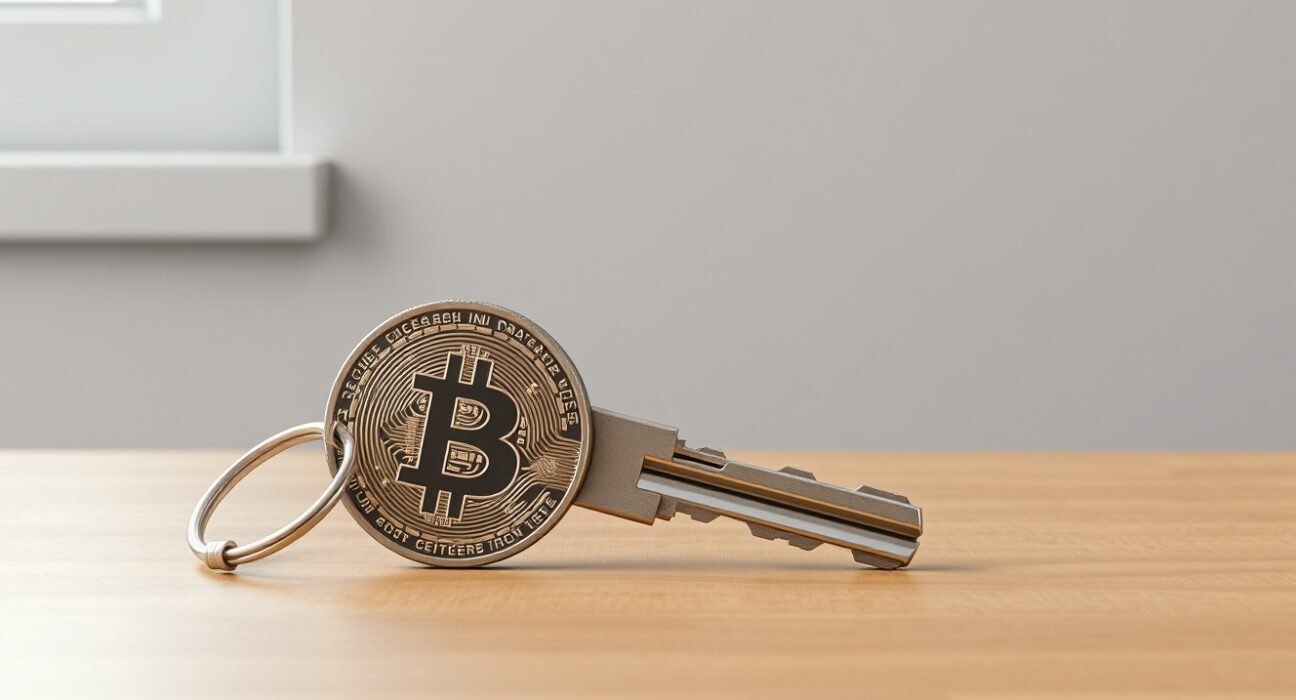
In a landmark development for digital asset integration, Coinbase has partnered with mortgage lender Better Home & Finance to introduce a revolutionary loan product that allows homebuyers to use Bitcoin (BTC) and USD Coin (USDC) as collateral, fundamentally changing how cryptocurrency holders can access traditional financing without liquidating their holdings. This strategic move, reported by Reuters, represents a significant step toward mainstream financial utility for cryptocurrencies, potentially unlocking billions in dormant digital wealth for real-world asset acquisition.
Understanding the Coinbase Crypto Mortgage Structure
The new offering operates separately from traditional government-backed mortgages typically facilitated by Fannie Mae and Freddie Mac. Instead, this structure creates a parallel financing pathway specifically designed for cryptocurrency investors. Borrowers can pledge their BTC or USDC holdings as collateral to secure a down payment, effectively using their digital assets as security without triggering a taxable event through sale.
This innovative approach addresses two critical concerns for long-term crypto investors: maintaining exposure to potential asset appreciation and deferring capital gains taxes. The loan reportedly includes protective features against margin calls during market volatility, provided borrowers maintain regular payments. This structure represents a sophisticated financial instrument that bridges decentralized and traditional finance systems.
Technical Mechanics and Risk Management
The partnership leverages Coinbase’s institutional-grade custody solutions and Better’s mortgage origination platform. When a borrower applies, Coinbase verifies and secures the cryptocurrency collateral in a dedicated account. The loan-to-value ratio remains conservative to buffer against price fluctuations. Regular automated monitoring occurs, but the reported structure avoids forced liquidation during temporary downturns if payment obligations continue.
Historical Context of Crypto-Backed Lending
Crypto-collateralized lending initially emerged in decentralized finance (DeFi) protocols around 2020, offering overcollateralized loans primarily for trading and speculation. However, traditional mortgage applications faced regulatory hurdles and institutional reluctance. Previous attempts by smaller fintech companies encountered scalability challenges and limited lender participation.
The Coinbase-Better partnership marks the first major collaboration between a publicly-traded cryptocurrency exchange and an established mortgage lender. This development follows increasing institutional adoption of digital assets and clearer regulatory frameworks emerging in 2024. The partnership builds upon Coinbase’s existing credit products while expanding into secured real estate lending.
Comparative Analysis with Traditional Mortgages
| Feature | Traditional Mortgage | Coinbase Crypto Mortgage |
|---|---|---|
| Collateral Type | Property itself | Bitcoin or USDC holdings |
| Tax Implications | No immediate tax event | Defers capital gains taxes |
| Underwriting Focus | Credit score, income, debt-to-income ratio | Asset verification, collateral value |
| Regulatory Framework | Government-backed (Fannie/Freddie) or portfolio loans | Private lending agreement |
| Market Exposure | No cryptocurrency exposure maintained | Borrower retains crypto asset ownership |
Potential Market Impact and Adoption Trajectory
This product could unlock significant liquidity for cryptocurrency holders who have substantial unrealized gains but limited traditional income documentation. The target demographic includes:
- Early crypto adopters with substantial Bitcoin holdings purchased at lower price points
- Digital asset investors preferring to maintain market exposure
- International buyers using stablecoins for cross-border transactions
- Self-employed professionals with crypto-denominated income streams
Industry analysts suggest this could catalyze similar products from competing platforms. The total addressable market includes approximately 15% of U.S. adults holding cryptocurrency, with median holdings potentially sufficient for down payment collateral. However, adoption rates will depend on interest rate competitiveness, loan terms, and regulatory developments.
Regulatory Considerations and Compliance Framework
The offering navigates complex regulatory landscapes including securities laws, money transmission regulations, and consumer protection statutes. By using USDC—a regulated stablecoin—for portion of collateral, the partnership addresses volatility concerns while maintaining crypto-native characteristics. The structure reportedly complies with existing lending regulations through Better’s licensed mortgage operations and Coinbase’s money transmitter licenses.
Broader Implications for Financial Innovation
This development represents more than just a new mortgage product—it signals growing institutional confidence in cryptocurrency as legitimate collateral. The integration demonstrates practical utility beyond speculative trading, potentially influencing how other traditional financial institutions view digital assets. Furthermore, it creates a precedent for using blockchain-verified assets in regulated financial transactions.
The structure also introduces novel considerations for estate planning, bankruptcy proceedings, and international finance. As digital assets become increasingly integrated with traditional systems, legal frameworks will need corresponding evolution. This product could accelerate regulatory clarity by demonstrating workable models for crypto-backed financing.
Risk Assessment and Consumer Protection Measures
While innovative, the product carries distinct risks requiring careful consideration:
- Cryptocurrency volatility could affect collateral values despite protective features
- Regulatory changes might impact product availability or terms
- Custody risks although mitigated by Coinbase’s institutional infrastructure
- Interest rate exposure on both the loan and opportunity cost of collateralized assets
The reported structure includes several consumer protections including transparent terms, conservative loan-to-value ratios, and clear disclosure requirements. These measures align with financial industry best practices while adapting to digital asset characteristics.
Conclusion
The Coinbase crypto mortgage initiative represents a transformative development at the intersection of digital assets and traditional finance. By enabling Bitcoin and USDC as collateral for home loans, this partnership provides cryptocurrency holders with unprecedented access to real estate financing while maintaining their digital asset positions. This innovative structure addresses tax efficiency, market exposure preservation, and volatility protection concerns that previously limited crypto-backed lending adoption. As financial institutions continue integrating blockchain technology, products like this crypto mortgage will likely become increasingly common, potentially reshaping how wealth stored in digital assets interacts with traditional economic systems and accelerating the mainstream adoption of cryptocurrency utility beyond pure investment vehicles.
FAQs
Q1: How does using cryptocurrency as collateral differ from selling it for a down payment?
The key difference is tax treatment and continued ownership. Selling cryptocurrency triggers immediate capital gains taxes, while using it as collateral defers taxation. Additionally, borrowers maintain ownership and potential upside exposure to their digital assets throughout the loan period.
Q2: What happens if Bitcoin’s price drops significantly during the loan term?
The reported structure includes protections against margin calls during market downturns, provided borrowers continue making regular payments. However, significant prolonged depreciation might require additional collateral or restructuring, similar to traditional secured lending practices.
Q3: Can international buyers use this crypto mortgage product?
While specific eligibility requirements haven’t been fully detailed, the use of cryptocurrency—particularly stablecoins like USDC—could facilitate cross-border transactions. However, applicants would still need to comply with U.S. mortgage regulations and identity verification requirements.
Q4: How does the interest rate compare to traditional mortgages?
Exact rates haven’t been disclosed, but industry analysts suggest they will likely be competitive with portfolio loans or private banking rates. The rate may reflect the specialized nature of the collateral and target demographic rather than conforming to government-backed mortgage rates.
Q5: What happens to the staking rewards or yields from collateralized cryptocurrency?
The partnership hasn’t specified whether collateralized assets can continue earning yields through staking or DeFi protocols. Typically, collateral must be readily accessible and not subject to locking periods, suggesting staked assets might not qualify or would need to be unstaked before use as collateral.
Disclaimer: The information provided is not trading advice, Bitcoinworld.co.in holds no liability for any investments made based on the information provided on this page. We strongly recommend independent research and/or consultation with a qualified professional before making any investment decisions.
