

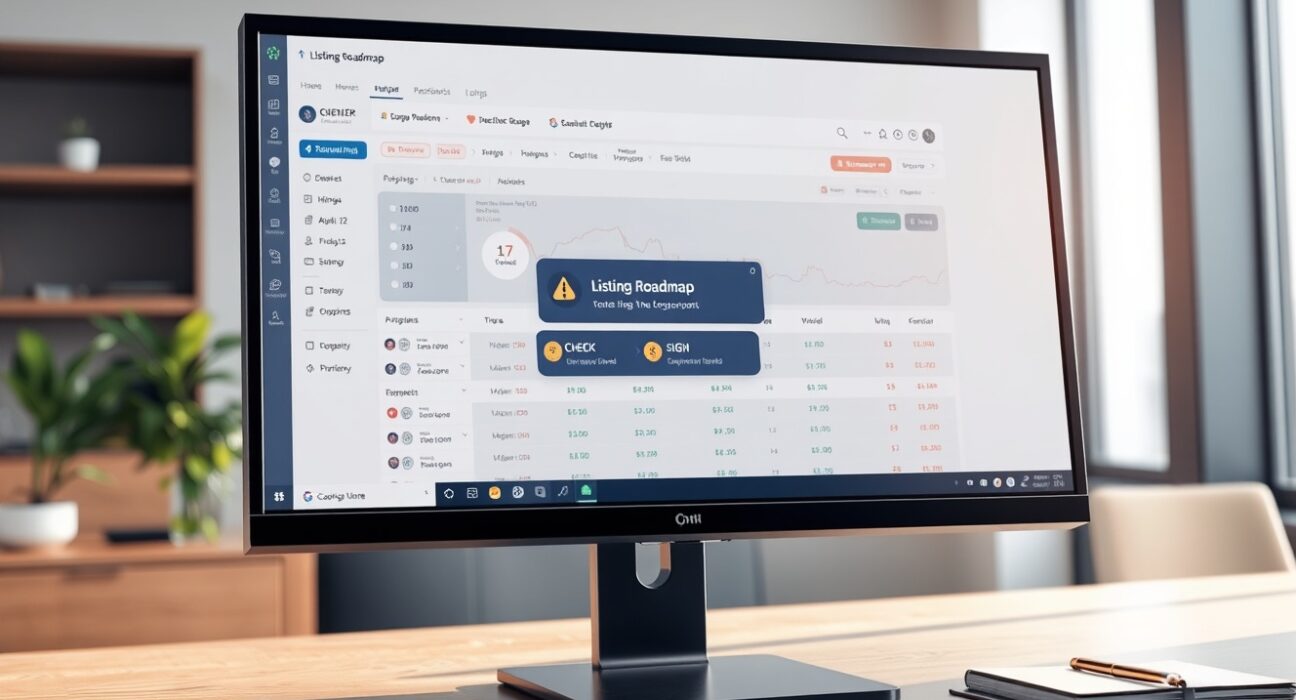
In a significant move for the digital asset ecosystem, leading cryptocurrency exchange Coinbase has officially added CHECK and SIGN to its public listing roadmap. This announcement, made from the company’s San Francisco headquarters on April 2, 2025, provides a transparent glimpse into the platform’s potential future offerings, generating immediate discussion among investors and developers. The roadmap functions as a pre-announcement mechanism, indicating that Coinbase is evaluating these assets for eventual listing, though it does not guarantee a final listing decision. This process underscores the exchange’s commitment to regulatory compliance and thorough due diligence in an evolving market landscape.
Understanding the Coinbase Listing Roadmap Process
The Coinbase listing roadmap is a public-facing document designed to enhance transparency. It signals to the market which digital assets are under active technical and legal review. Importantly, inclusion on the roadmap is not a listing guarantee. The process involves multiple stages, including security reviews, compliance checks, and liquidity assessments. Consequently, the addition of CHECK and SIGN represents a formal entry into this rigorous evaluation pipeline. This system helps manage market speculation while allowing the community to track potential new additions. Furthermore, it aligns with broader industry trends toward greater operational clarity.
Coinbase typically follows a structured sequence for asset integration. First, engineers conduct a comprehensive technical review of the asset’s blockchain. Next, legal teams assess regulatory standing in various jurisdictions. Finally, the exchange evaluates market demand and liquidity conditions. Only after successfully passing all these stages does an asset proceed to listing. The roadmap, therefore, serves as the initial public step in a lengthy and complex procedure. This meticulous approach aims to ensure platform stability and user security above all else.
An Introduction to CHECK and SIGN Tokens
CHECK and SIGN represent distinct projects within the broader blockchain ecosystem. Their inclusion on the roadmap suggests Coinbase has identified them as technically sound and potentially compliant assets worthy of deeper analysis. Public information indicates CHECK is likely associated with a decentralized identity verification protocol. This technology aims to give users control over their personal data. Meanwhile, SIGN appears linked to a digital signature and notarization platform built on blockchain. Such a service could provide immutable proof of document existence and integrity.
Both tokens operate within the growing sector of blockchain utility beyond pure finance. They emphasize real-world applications for verification and authentication. The underlying technology for each project presumably utilizes smart contracts to automate and secure processes. This focus on practical utility may have been a key factor in their selection for the roadmap. The market for such utility tokens has expanded significantly since 2023, attracting institutional interest. Their potential listing could provide easier access for a large retail investor base.
Market Impact and Expert Analysis
The announcement immediately influences the trading dynamics of CHECK and SIGN on other platforms. Historically, roadmap additions have led to increased trading volume and price volatility for the named assets on decentralized exchanges. Market analysts note this reflects anticipatory buying based on the prospect of future Coinbase liquidity. However, experts consistently warn that roadmap status is merely a preliminary step. A 2024 study by CryptoResearch.ai showed that approximately 65% of assets on the Coinbase roadmap eventually list, but the timeline can vary from weeks to over a year.
Industry observers point to this move as part of Coinbase’s strategic diversification. “The exchange is systematically expanding its catalog beyond the largest market-cap assets,” noted financial technology analyst Maria Chen in a recent report. “By evaluating utility tokens like CHECK and SIGN, Coinbase is tapping into the growing demand for blockchain applications that solve tangible business problems. This isn’t just about trading; it’s about acknowledging the infrastructure layer of Web3.” This perspective highlights the exchange’s role in curating access to the next generation of digital assets.
The Regulatory Context for New Listings in 2025
The regulatory environment for digital assets remains a primary consideration for any U.S.-based exchange. In 2025, clarity from recent legislation and court rulings has established firmer guidelines for token classification. Coinbase’s compliance team must navigate these rules meticulously. The legal status of CHECK and SIGN—whether they are deemed securities, commodities, or something else—will directly impact the listing process. The exchange has increased its legal and compliance staffing by over 40% since 2023 to handle this complex landscape.
Key factors under review likely include:
- Decentralization: The operational structure and distribution of the project’s governance.
- Utility: The token’s primary function within its native network.
- Historical Sales: The method of initial distribution and any past investment contracts.
This rigorous framework is intended to protect investors and maintain the integrity of the marketplace. The outcome for CHECK and SIGN will provide another data point on how regulators view utility-focused tokens in the current climate.
Comparison to Recent Roadmap Additions
To understand the potential trajectory for CHECK and SIGN, it is useful to examine recent history. The table below shows a selection of assets added to the Coinbase roadmap in late 2024 and their subsequent status as of Q1 2025.
| Asset | Roadmap Date | Listing Status | Time to List |
|---|---|---|---|
| PROTO | Nov 2024 | Listed (Feb 2025) | ~3 months |
| VERA | Dec 2024 | Still Under Review | Ongoing |
| NEXUS | Oct 2024 | Not Listed | Evaluation Ended |
This data illustrates the variable outcomes and timelines. The path from roadmap to listing is neither linear nor certain. Each asset undergoes a unique review shaped by its own technical and legal particulars. The process for CHECK and SIGN will follow its own course based on the findings of Coinbase’s teams. Market participants should therefore temper expectations with patience.
Conclusion
The addition of CHECK and SIGN to the Coinbase listing roadmap marks a notable development in the exchange’s asset evaluation pipeline. It highlights the platform’s ongoing effort to diversify its offerings with tokens that provide real-world utility in sectors like identity and document verification. While this step generates legitimate market interest, it is crucial to remember that roadmap inclusion is only the beginning of a comprehensive review process. The ultimate listing decision for CHECK and SIGN will depend on stringent technical, legal, and market evaluations. This transparent approach by Coinbase continues to set a standard for operational clarity in the cryptocurrency industry, even as investors await further developments.
FAQs
Q1: Does being on the Coinbase roadmap guarantee a listing?
No. The roadmap indicates an asset is under active review. A final listing requires passing all technical, compliance, and market evaluations. A significant percentage of roadmap assets do not get listed.
Q2: How long does it take for a roadmap asset to get listed?
The timeline is highly variable, ranging from a few weeks to over a year, or it may never happen. It depends entirely on the complexity of the reviews and any regulatory considerations.
Q3: What are CHECK and SIGN tokens used for?
Based on available information, CHECK is associated with decentralized identity verification, allowing users to control personal data. SIGN is linked to blockchain-based digital signatures and document notarization for proving authenticity and existence.
Q4: Can I buy CHECK and SIGN tokens now?
They may be available for trading on other cryptocurrency exchanges or decentralized platforms. However, they are not yet available for trading on Coinbase itself, as they are only on the listing roadmap for evaluation.
Q5: Why does Coinbase use a public roadmap?
The public roadmap aims to increase transparency, reduce rumors, and manage market expectations. It allows the community to see which assets are being seriously considered while the exchange conducts its necessary due diligence.
Disclaimer: The information provided is not trading advice, Bitcoinworld.co.in holds no liability for any investments made based on the information provided on this page. We strongly recommend independent research and/or consultation with a qualified professional before making any investment decisions.